6 Hidden Signs It Is Time to Replace Your Mountain Home Garage Door
Living in the picturesque elevations of the Vail Valley and surrounding alpine regions brings undeniable beauty, but it also subjects residential properties to extreme weather conditions. The constant freeze and thaw cycles, heavy snow accumulations, and high winds place immense stress on exterior structural components. Among the most vulnerable elements is the garage door. As the largest moving part of any home, it serves as a critical barrier against the harsh climate. Recognizing when this system is failing is vital for maintaining a comfortable, secure, and energy-efficient household. Here are six subtle indicators that your current setup may be reaching the end of its operational lifespan.
- Unexplained Drafts and Decreased Thermal Efficiency
One of the primary functions of an alpine access point is to seal out freezing temperatures. If you notice a sudden drop in the temperature of the garage, or if rooms located directly above the space feel uncomfortable, the thermal barrier has likely been compromised. Over time, the heavy-duty weather stripping and bottom seals degrade, cracking under the constant pressure of freezing moisture. Furthermore, older, standard builder-grade panels lack the high R-value insulation required for mountain living. When heat freely escapes through an inefficient panel system, heating bills inevitably rise. Upgrading to a heavily insulated thermal barrier can dramatically stabilize the interior climate and reduce overall energy expenditures.
- Persistent Grinding, Popping, and Operational Noise
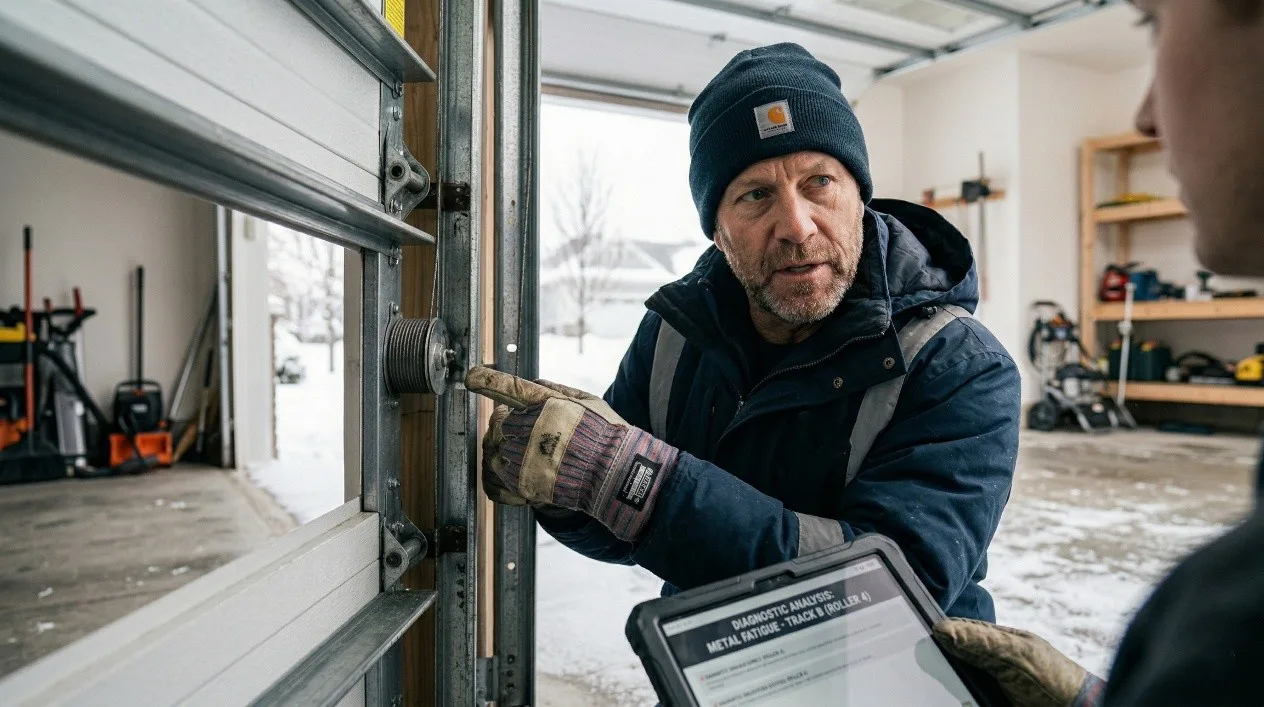
A well-maintained mechanical system should operate smoothly and with minimal acoustic disruption. If opening or closing the entryway is accompanied by loud grinding, squeaking, or violent popping sounds, this is a clear warning sign of profound mechanical fatigue. In high-altitude environments, the constant fluctuation in temperature causes metal components like springs, tracks, and rollers to expand and contract. This environmental stress can lead to warped tracks, stripped gears, and brittle torsion springs. While lubrication and minor adjustments can resolve temporary squeaks, persistent and aggressive noises often indicate that the internal hardware is fundamentally failing under the heavy weight of the panels.
- Visible Sagging and Structural Warping
Wooden fixtures are incredibly popular in mountain architecture, offering a rustic and luxurious aesthetic. However, natural timber is highly susceptible to moisture damage. Years of exposure to melting snow and intense ultraviolet sunlight can cause wooden panels to rot, warp, and bow. You can easily test for this by manually disconnecting the automatic opener and lifting the door halfway. If it refuses to stay in place and sags downward, the balance is severely compromised. Warped panels not only look unsightly, but they also place dangerous amounts of strain on the lifting mechanism, creating a significant safety hazard for residents and vehicles.
- The Rising Cost of Constant Repairs
Every mechanical device has a finite lifecycle. Homeowners often find themselves trapped in a cycle of constant minor repairs, paying for frequent service calls to fix snapped cables, malfunctioning sensors, or misaligned tracks. When the cumulative cost of these ongoing maintenance visits begins to approach the price of a completely new system, it is financially prudent to consider a full Garage Door Replacement. Installing a modern, highly engineered setup eliminates the anxiety of unexpected breakdowns. Newer models are specifically calibrated to handle the extreme snow loads and wind pressures typical of high-altitude communities, ensuring long-term reliability and a much stronger return on your home improvement investment.
- Outdated Access Control and Security Vulnerabilities
Modern residential access technology has advanced significantly in recent years. Older electronic openers often lack the robust security features necessary to protect a modern mountain home, especially for absentee owners managing vacation rentals. If your current system relies on outdated fixed-code technology, it is highly vulnerable to signal interception by unauthorized individuals. Furthermore, legacy models do not offer smartphone integration, real-time status monitoring, or automatic deadbolt locking mechanisms. Upgrading your entire setup allows you to integrate smart technology, granting you the ability to monitor and control your property from anywhere in the world. For expert guidance on secure and durable access solutions, consulting with a specialized local provider like Eagle River Garage Doors ensures your home is protected by state-of-the-art security standards.
- Noticeable Aesthetic Degradation
While structural integrity and thermal performance are paramount, the visual impact of your home exterior cannot be ignored. The garage often makes up a significant portion of a property’s front facade. Sun-faded paint, dented steel panels, and peeling wood finishes severely detract from the curb appeal of a luxury mountain residence. If you are planning to sell your property, a deteriorated exterior access point can be a major red flag for potential buyers. Modern faux-wood composites offer a fantastic solution, providing the timeless look of rich timber without the demanding maintenance schedule. A visual refresh not only enhances the daily enjoyment of your property but also significantly boosts its overall market value.
Conclusion
Living in a challenging alpine climate demands proactive property management. Ignoring the early warning signs of hardware fatigue and thermal inefficiency can lead to costly emergency failures during the harshest winter months. By carefully monitoring your access systems for excessive noise, structural warping, and temperature fluctuations, you can make informed decisions about necessary upgrades. Investing in high-quality, weather-resistant engineering guarantees that your property remains secure, energy-efficient, and visually stunning for decades to come.