Leadership Lessons from Industry Executives for Career Growth
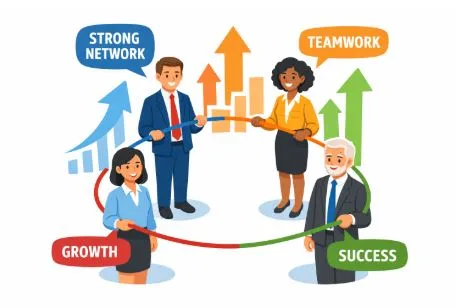
Table of Contents
- Introduction
- Embrace Transparency and Candor
- Delegate and Focus on Unique Value
- Prioritize Personal Happiness
- Build Strong Networks
- Commit to Continuous Learning
- Develop Emotional Intelligence
- Learn from Failures
- Conclusion
Introduction
Effective leadership is often cited as a vital ingredient for professional achievement across industries. Those looking to accelerate their growth can benefit significantly by learning from top executives who have navigated complex corporate landscapes and inspired teams. By integrating lessons from these leaders, emerging professionals can map out a path to advancement and cultivate the qualities that define lasting success. For those who want to dive deeper into good career advice, examples from successful executives reinforce practical strategies and personal mindsets.
Embracing leadership growth does not require innate talent alone. It’s a journey supported by intentionally developed skills, candid self-reflection, and a willingness to learn from others who have achieved notable results. The following lessons, distilled from the stories and strategies of respected business leaders, are designed to empower aspiring executives.
Embrace Transparency and Candor
One of the most consistently cited foundations of great leadership is the emphasis on open and honest communication. According to Morten Wierod, CEO of ABB, leading with transparency simplifies complex situations and helps teams stay focused on collective goals. When executives prioritize candor in their interactions, they set the tone for trust, mutual respect, and effective problem-solving. Decisive leadership, supported by open dialogue, enables organizations to weather difficult periods and seize opportunities more confidently. As covered by IMD, leaders who routinely share their rationale and expectations often find that teams respond with higher engagement and smoother collaboration.
Delegate and Focus on Unique Value
Delegation is more than task distribution; it’s an exercise in building trust and promoting team capability. Effective leaders recognize that trying to maintain control over every detail leads to burnout and hinders progress. Instead, they focus their energy on their areas of greatest impact while entrusting team members with other responsibilities. This approach not only sharpens organizational efficiency but also gives rising stars within the team the room to innovate and grow. Nurturing talent and sharing responsibility accelerates the development of a dynamic workplace culture.
Prioritize Personal Happiness
Many accomplished leaders openly discuss the correlation between personal well-being and professional performance. When CEOs make time for their personal lives, hobbies, and health, they bring more energy, focus, and positivity to their roles. Beyond the personal benefits, this holistic approach encourages others to value balance, fostering healthier work environments. Leaders who model this balance show their teams that sustainable achievement is built on a foundation of authentic happiness and well-being. According to the World Economic Forum, executives who prioritize happiness tend to have more resilient organizations and greater long-term influence.
Build Strong Networks
The value of forming authentic connections within established networks cannot be overstated. Rather than stretching themselves thin by chasing countless new links, experienced leaders focus on deepening relationships with current colleagues and partners. Investing in these authentic bonds leads to increased trust, more effective collaboration, and enhanced opportunities for both professional development and organizational success. The power of meaningful networking is well-documented by major business publications such as Forbes, which shows that genuine engagement often drives the most significant opportunities.
Commit to Continuous Learning
Growth-oriented leaders are lifelong learners. Their willingness to seek feedback, pursue new knowledge, and adapt to evolving challenges is a defining trait. Industry executives are known to book time for executive education courses, mentorship, and independent study, keeping their perspectives fresh and adaptable. This ongoing learning lays the groundwork for innovation and problem-solving in rapidly changing markets. Furthermore, continuous development signals to teams that personal growth is never truly finished, fostering a culture of improvement.
Develop Emotional Intelligence
Emotional intelligence remains one of the most impactful, yet sometimes overlooked, attributes of effective leadership. Leaders who can interpret and respond to their teams’ emotions foster a more harmonious workplace and drive better outcomes. This capability enhances communication, resolves conflict, and strengthens ties between colleagues. Research highlighted by Harvard Business Review indicates that high emotional intelligence leads to superior decision-making and leadership adaptability. Prioritizing empathy and self-awareness paves the way for both short-term wins and long-term loyalty.
Learn from Failures
Failure, when approached with the right mindset, becomes a springboard for growth. Industry executives speak candidly about their setbacks, describing how these low points taught them invaluable lessons about resilience, strategy, and humility. Rather than dwelling on mistakes, they use them as opportunities to pivot, redesign processes, and inspire perseverance within their teams. By reframing failure as an inevitable and instructive part of the leadership journey, professionals can unlock both personal and organizational growth, as Inc. analyzed.
Conclusion
Incorporating these leadership lessons from top executives can dramatically influence the arc of a professional career. Individuals who embrace transparency, delegate effectively, value personal happiness, foster networks, commit to lifelong learning, develop emotional intelligence, and learn from failure find themselves well-equipped for both immediate and long-term success. By drawing on the wisdom of industry leaders and putting these strategies into practice, professionals can confidently advance and pave the way for the next generation of capable, inspiring executives.