Minimally Invasive Solutions for Chronic Back Pain Relief
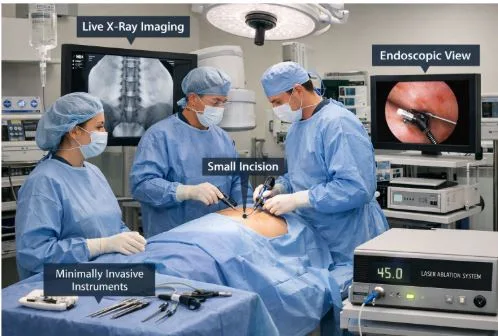
Table of Contents
- Understanding Minimally Invasive Procedures
- Common Minimally Invasive Treatments
- Benefits of Minimally Invasive Techniques
- Patient Eligibility and Considerations
- Real-Life Success Stories
- Conclusion
Living with chronic back pain can dramatically limit daily activities, diminish your overall quality of life, and even impact your mental health. As medical science advances, more individuals are seeking alternatives that don’t require lengthy hospital stays or extensive recovery periods. Vanguard Spine & Sport and other pioneers in the field are making it possible for people to get effective relief through minimally invasive procedures.
These solutions focus on reducing pain while promoting faster recovery, allowing patients to return to their routines with less disruption and fewer complications. Minimally invasive treatments are increasingly becoming the preferred option for chronic back pain sufferers who wish to avoid traditional open surgery and its potential risks.
Because they are performed through smaller incisions with specialized equipment, minimally invasive techniques minimize the trauma to muscles and tissue. This often means shorter hospital stays and decreased postoperative discomfort compared to conventional surgery.
Patients who have tried conservative therapies, such as physical therapy or medications, without sufficient relief may find that these advanced treatments offer a viable next step on their road to recovery. Traditional methods still have their place, but minimally invasive procedures open new avenues for those who need more targeted intervention.
Understanding Minimally Invasive Procedures
Minimally invasive spine surgery is designed to fix underlying spinal issues with less disruption to the body. Instead of cutting through large sections of muscle, surgeons use small incisions and fiber-optic cameras to guide precise tools directly to the problem area. This approach is used to treat a variety of spinal conditions, including herniated discs, spinal stenosis, and chronic nerve irritation.
Thanks to these advancements, patients can expect reduced surgical risks and a quicker return to daily life. Procedures range from nerve ablations to decompression techniques, all structured to offer maximal benefit with minimal impact on healthy tissue.
Common Minimally Invasive Treatments
- Radiofrequency Ablation (RFA): RFA uses radio waves to heat and disable certain nerves responsible for pain. The effect can last several months or longer, especially for patients dealing with conditions like facet joint pain or chronic knee pain. For further insight, see this overview from UCLA Health.
- Spinal Cord Stimulation (SCS): In Spinal Cord Stimulation, a device is implanted beneath the skin and sends mild electrical pulses to the spinal cord, disrupting pain signals and replacing them with a mild tingling sensation. This method is popular among patients who haven’t found relief through other avenues.
- Minimally Invasive Lumbar Decompression (MILD): This procedure is intended for those with lumbar spinal stenosis, a condition where thickened ligaments press on the nerves. By carefully removing excess tissue, doctors can relieve this pressure and restore mobility.
Benefits of Minimally Invasive Techniques
Patients considering minimally invasive options can look forward to notable benefits. The most commonly reported advantages include:
- Reduced postoperative pain, often eliminating or minimizing the need for opioid pain medications
- Shorter hospitalization, with many patients returning home the same day or after a brief overnight stay
- Quicker recovery, enabling earlier return to work and regular activities
- Lower risk of surgical complications, including infections and blood loss, compared to traditional open surgery
These benefits combine to make minimally invasive procedures an extremely attractive choice for individuals who may not be ideal candidates for conventional surgical approaches or who wish to get back on their feet as quickly as possible.
Patient Eligibility and Considerations
While minimally invasive spine surgery offers significant benefits, not every patient will be an ideal candidate. Important considerations include the type and severity of the spinal condition, the patient’s previous treatment history, and their overall health status. A comprehensive evaluation and imaging studies are required to determine suitability.
It’s vital to consult with a spine specialist, who will review your medical history, physical exam, and imaging results to design the optimal care plan. Patients who are obese, have significant spinal instability, or have widespread disease may require alternative approaches.
Real-Life Success Stories
Many individuals have reported dramatic improvements in symptoms and quality of life thanks to these minimally invasive options. For example, patients who have undergone the MILD procedure often enjoy notable reductions in pain and increased mobility that can persist for at least one year after treatment.
Success stories are not limited to one technique or condition; across the spectrum of back pain, patients are regaining their independence and returning to activities they thought were permanently out of reach.
Conclusion
Minimally invasive procedures present significant promise for chronic back pain relief, offering powerful solutions that blend efficacy with a gentle approach to healing. By consulting with a knowledgeable spine specialist, you can explore personalized options and determine if these advanced treatments are suitable for your unique situation. As medical technology evolves, so does the possibility of a pain-free, active life for people struggling with chronic back pain.