Galveston Island in Autumn: Beaches, Birding, and Quiet Weekends
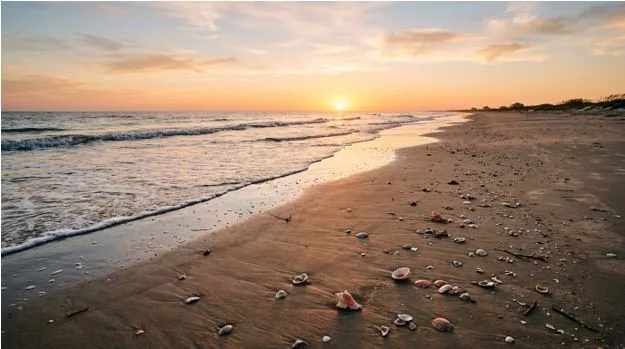
Galveston is often described as a summer town, but the months from September through November may be the most comfortable stretch of the year. Crowds thin, humidity eases, and the island settles into a slower, more reflective mood.
Autumn turns the island’s long flat beaches into mirrors at low tide, the sea breeze carries a drier edge, and the migration season transforms Galveston into one of the most active birding corridors along the Gulf Coast. For anyone considering an off-peak visit, this is the window locals quietly recommend.
The Beaches Without the Peak-Season Crowds
Stewart Beach and East Beach still see visitors on warm weekends, but weekdays are open and easy. Seawolf Park on Pelican Island and Galveston Island State Park offer wider, quieter stretches where families can spread out without feeling surrounded.
Water temperatures stay warm into October, and the light turns golden earlier in the afternoon. That shift is subtle, but photographers and sunset walkers tend to pick autumn over summer once they experience it.
Fall Birding Along the Upper Texas Coast
Galveston sits at the convergence of two major migratory flyways, and the island hosts hundreds of species passing through between late September and mid-November. Lafitte’s Cove, the Corps Woods Sanctuary, and Galveston Island State Park are the three stops that most serious birders plan a morning around.
Lafitte’s Cove is the easiest for first-time birders: short boardwalks, a fresh-water pond, and a mix of warblers and shorebirds in a compact space. Mornings after a cold front pass through are the reliable windows, when tired migrants drop in to rest and refuel.
Further west, the state park’s saltwater marshes attract wading birds and raptors through early winter. A simple pair of binoculars and a quiet hour at sunrise is usually enough to see more species than an entire summer afternoon on a crowded beach.
Quiet Weekends in the Historic District
The Strand and Postoffice Street regain a slower rhythm after Labor Day. Cafes that run wait lists all summer open up for lingering breakfasts, and the small bookstores and galleries feel more like part of the neighborhood than part of a tourist circuit.
A morning at Bishop’s Palace or the Bryan Museum pairs well with a long afternoon walk to the seawall. Travelers planning family friendly stays on the Texas Gulf Coast often use an autumn weekend to pace themselves rather than trying to fit in a summer-style itinerary.
Dinner reservations are easier to secure in the historic district, and the restaurants with Gulf-view patios stay comfortably warm well into November. It is a different Galveston from the one most first-time visitors expect.
Short Drives Worth Stacking in a Weekend
The ferry ride to Bolivar Peninsula takes less than twenty minutes and is a free, underused way to see pelicans and dolphins on a calm morning. Crystal Beach on the Bolivar side is wide, flat, and often nearly empty outside of summer.
South of town, the FM 3005 drive along the seawall continues west for about fifteen miles and passes beach access points, state park entrances, and small roadside seafood stands that wind down their seasons differently. Many of the best finds are the small family-owned markets that stay open for locals year-round.
Planning Notes for an Autumn Visit
Hurricane season formally runs through November, so flexible dates are the simplest way to avoid a weather interruption. Most storms are tracked a week out, and even a day or two of buffer solves the common scheduling problems.
Packing light layers is more important than packing heavy ones. Mornings can start near sixty, afternoons warm into the seventies or low eighties, and a simple windbreaker handles the evening breeze along the seawall.
Galveston in autumn is not a trip for people looking to tick off attractions. It is a trip for slow mornings, long drives, and the kind of weekends that end up being remembered more than planned.