The Future of Lastenfahrrad Elektro: Tech Trends for Cyclists
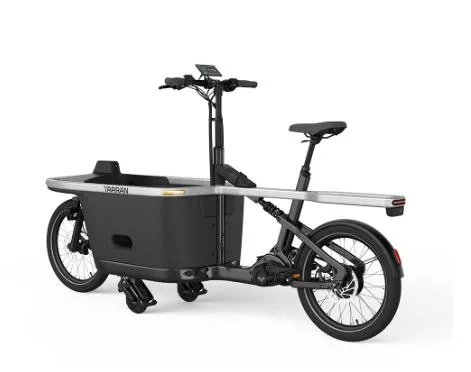
Cities across Europe and beyond are witnessing a quiet revolution on their streets. The lastenfahrrad elektro — the electric cargo bike — has moved well beyond niche curiosity to become a genuine contender in urban mobility, replacing car trips for families, delivery services, and daily commuters alike. Sales figures continue to climb year over year, and with good reason: these bikes combine the practicality of a small van with the agility of a bicycle.
Yet as adoption accelerates, so do the expectations of riders. Today’s cyclists aren’t just looking for a way to haul groceries — they want intelligent machines that communicate, adapt, and perform. That means confronting real challenges: how do you squeeze more range from a single charge, navigate safely with a heavy load, make sense of your ride data, and manage it all from a smartphone? The intersection of cycling culture and cutting-edge technology is precisely where the most exciting answers are emerging. This article explores the key tech trends reshaping the lastenfahrrad elektro experience, from smarter battery management and advanced steering systems to detailed trip data analytics and user-friendly app integration — giving tech-savvy cyclists the tools to ride farther, safer, and smarter.
Revolutionizing Battery Management for Extended Rides
For anyone who has pushed a lastenfahrrad elektro to its limits on a long family outing or a demanding delivery route, range anxiety is a familiar companion. Unlike standard e-bikes, cargo variants carry heavier loads, run larger motors, and demand significantly more from their battery packs. Understanding how to manage that energy intelligently is no longer optional — it’s central to getting the most from these machines.
The most common battery issues stem from three habits: irregular charging cycles, exposure to temperature extremes, and drawing the battery down to near-zero repeatedly. Lithium-ion cells, which power virtually every modern e-cargo bike, degrade faster when consistently charged to 100% or drained below 20%. Modern battery management systems (BMS) embedded in premium lastenfahrrad elektro models now actively monitor cell voltage, temperature, and charge state in real time, automatically throttling output to protect longevity. Some systems — including those found on platforms like TARRAN — even predict remaining range based on current load weight and terrain gradient, a meaningful upgrade from simple percentage indicators.
Regenerative braking, long a feature of electric cars, is beginning to appear in higher-end cargo bike platforms. While the energy recovered is modest compared to automotive applications, it meaningfully extends range on hilly urban routes and adds a layer of controlled deceleration when carrying a full load.
Smart Charging and Maintenance Solutions
Adaptive chargers represent one of the most practical upgrades available today. Rather than pushing a fixed charge rate, these devices taper input as the battery approaches capacity, reducing heat buildup and cell stress. To optimize battery life, follow these steps: charge to 80–90% for daily use, reserving full charges for long trips; store the bike at roughly 50% charge if unused for extended periods; and use your bike’s companion app to schedule overnight charging during cooler hours. Regular app-based diagnostics can flag declining cell capacity before it becomes a roadside problem, turning reactive maintenance into a proactive routine.
Advanced Steering Technology for Improved Handling and Safety
Hauling a child, a week’s worth of groceries, or a stack of delivery parcels fundamentally changes how a bike behaves. The center of gravity shifts forward, steering becomes heavier, and the margin for error in tight urban spaces shrinks considerably. This is precisely why steering technology has become one of the most active areas of innovation in the lastenfahrrad elektro space — and why the differences between systems matter far more than most buyers initially realize.
The dominant design split is between direct steering and linkage steering. Direct systems connect the handlebars straight to the front wheel, much like a conventional bicycle. They’re lightweight and intuitive but can feel twitchy under heavy loads, particularly in the long-wheelbase longtail and box-bike formats. Linkage steering, by contrast, uses a mechanical coupling system that separates handlebar movement from wheel movement through a series of rods or joints. The result is a more predictable, dampened response — the bike tracks steadily even when the cargo box is fully loaded, and low-speed maneuvering in crowded spaces becomes noticeably more controlled.
More recent developments push further. Electronically assisted steering systems, borrowing logic from automotive power steering, apply variable resistance based on speed and load sensors. At slow speeds, the system lightens the steering effort to ease parking and U-turns; at higher speeds, it firms up to prevent overcorrection. Some platforms now incorporate automatic load-balancing alerts, warning the rider when cargo distribution is creating asymmetric handling. For families transporting children, this layer of active safety feedback is genuinely consequential — it transforms a potentially nerve-wracking loaded descent into a manageable, confidence-inspiring experience.
Leveraging Detailed Trip Data to Enhance Cycling Performance
Every ride on a lastenfahrrad elektro generates a wealth of information — speed fluctuations, elevation changes, motor assistance levels, braking patterns, and route timing. For most cyclists, this data quietly disappears the moment they park the bike. That’s a missed opportunity. Detailed trip data, when properly collected and interpreted, becomes a practical toolkit for riding more efficiently, planning smarter routes, and even extending battery life across a fleet of deliveries or a season of family outings.
Modern cargo e-bikes pair GPS modules with onboard sensors that capture far more than simple distance and speed. Torque sensors measure how hard the rider is pedaling relative to motor output, revealing where human effort and electric assistance are balanced most efficiently. Elevation profiles expose the energy cost of specific climbs, helping riders decide when to pre-empt a steep section with a higher assist level rather than drain the battery reactively. Ambient temperature data, often overlooked, correlates directly with battery performance — a cold morning commute will yield noticeably different range than the same route in summer, and tracking this over time builds realistic expectations.
The practical value emerges when raw numbers become actionable patterns. A delivery cyclist who notices that a particular district consistently drains 15% more battery than the map suggests can reroute or recharge proactively. A family rider who tracks average speed on school runs can identify whether cargo load or headwinds are the bigger efficiency drain — and adjust accordingly.
Steps to Analyze and Apply Ride Metrics
Start by enabling automatic ride recording in your bike’s companion app or a dedicated cycling platform like Komoot or Strava with e-bike support. After each ride, review three core metrics: energy consumption per kilometer, average assist level, and elevation gain. Compare these across similar routes over two to four weeks to identify meaningful trends rather than one-off anomalies. Once patterns emerge — a consistently energy-expensive stretch, a habitually high assist level on flat terrain — make one targeted adjustment at a time, whether that’s shifting to a lower assist mode on flat sections or redistributing cargo weight, then track whether the next week’s data reflects the improvement.
Integrating User-Friendly Apps for a Seamless Cycling Experience
The hardware on a modern lastenfahrrad elektro is only as useful as the software interpreting it. A user-friendly app bridges the gap between raw sensor data and decisions a rider can actually act on — whether that’s rerouting around a steep climb to preserve battery, receiving a timely service reminder, or checking that a child seat is within safe load parameters before leaving the driveway. For tech-savvy cyclists, the app has become as essential as the motor itself.
The most capable platforms today go well beyond basic speedometers. Real-time tracking displays live motor output, current battery state, and remaining range adjusted for load and terrain — all on a glove-friendly interface designed for a quick glance while riding. Maintenance alert systems monitor cumulative brake wear, chain tension cycles, and battery charge history, then push notifications before minor issues become expensive repairs. Some apps, such as the one offered by TARRAN, extend into community features: shared route libraries where local riders flag road surface quality, low-traffic shortcuts, or reliable charging points — crowd-sourced intelligence that no map algorithm generates on its own.
Choosing the right app starts with confirming compatibility with your specific drive system, since Bosch, Shimano EP8, and Brose each support different ecosystems. Once installed, connect the app via Bluetooth during initial setup and enable automatic ride sync so no trip goes unrecorded. Customize your dashboard to surface the three or four metrics most relevant to your riding style — a delivery cyclist prioritizes energy consumption and route timing, while a family rider may weight cargo load alerts and range more heavily. Set maintenance interval thresholds based on your weekly mileage, and turn on push notifications so alerts reach you before a ride rather than during one.
Key Features and Implementation Guide
When evaluating apps, prioritize an intuitive UI that requires no menu-diving while riding, seamless data sync across devices, and offline map support for routes without reliable connectivity. To get started: download your drive system’s official app, pair it via Bluetooth with the bike powered on, complete the load profile setup by entering typical cargo weight, then run a short test ride to confirm all sensors are syncing correctly. If data gaps appear, toggling Bluetooth off and on typically resolves handshake issues without requiring a full reinstall.
Smarter Riding Starts Now: Embracing the Electric Cargo Bike Revolution
The lastenfahrrad elektro is no longer simply a practical hauler — it’s becoming a sophisticated platform where intelligent engineering and rider-focused software converge. The four tech trends explored here each address a real friction point in the modern cargo cyclist’s experience. Smarter battery management systems extend range and protect long-term cell health, turning range anxiety into a manageable variable rather than a ride-ending concern. Advanced steering technology brings genuine confidence to loaded rides, making tight urban maneuvers and heavy descents predictable rather than precarious. Detailed trip data transforms every journey into feedback, giving riders the insight to optimize routes, balance loads, and use motor assistance more efficiently over time. And user-friendly apps tie all of it together, surfacing the right information at the right moment without demanding technical expertise from the rider.
For tech-savvy cyclists, the message is clear: these innovations are available now, not in some distant future. Adopting even one or two of these tools — a smart charger, a data-syncing app, or a bike with linkage steering — meaningfully changes the daily riding experience. As the lastenfahrrad elektro continues to evolve, riders who engage with its technology will consistently ride farther, handle loads more safely, and maintain their bikes more reliably. The smartest upgrade available today isn’t a new component — it’s using the intelligence already built into your bike.