Why Real-Time Data Matters in Modern Transportation System
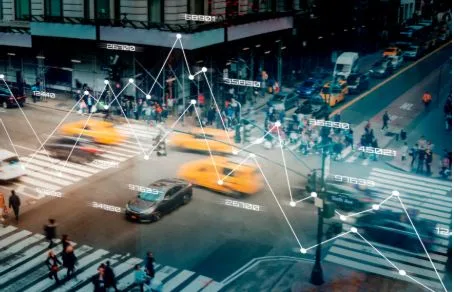
Transportation has always been the backbone of economic growth and urban development. From traditional road networks to complex global logistics chains, the way people and goods move defines how societies function. Today, however, the transportation landscape is undergoing a significant transformation, driven by one powerful factor: real-time transportation data.
In an era where speed, efficiency, and reliability are critical, relying on outdated or delayed information is no longer practical. Real-time data has become the foundation of modern transportation systems, enabling smarter decisions, improved safety, and enhanced user experiences. Whether it’s public transit, freight logistics, or ride-sharing services, real-time insights are reshaping how transportation works.
Understanding Real-Time Transportation Data
Real-time transportation data refers to information that is collected, processed, and delivered instantly or with minimal delay. This data can include vehicle locations, traffic conditions, weather updates, passenger demand, and system performance metrics.
Unlike static or historical data, real-time data provides a live snapshot of what’s happening on the ground. This allows transportation systems to react immediately to changes rather than relying on predictions alone.
For example, GPS-enabled vehicles continuously transmit their location, while sensors on roads monitor traffic flow. Combined with advanced analytics, this data helps operators make quick, informed decisions that improve overall system efficiency.
The Role of Data in Connected Systems
Modern transportation systems are no longer isolated networks. They are interconnected ecosystems where vehicles, infrastructure, and users communicate seamlessly. This is where the concept of connected mobility becomes essential.
Connected mobility relies heavily on real-time transportation data to function effectively. Vehicles can communicate with traffic signals, navigation systems can adjust routes dynamically, and passengers can receive accurate arrival times. This interconnected approach reduces inefficiencies and enhances coordination across the entire system.
Without real-time data, connected systems would lose their responsiveness and adaptability, making them far less effective.
Improving Traffic Management
One of the most visible impacts of real-time transportation data is in traffic management. Urban congestion is a growing challenge worldwide, leading to wasted time, increased fuel consumption, and higher emissions.
Real-time data allows traffic control centers to monitor conditions as they evolve. When congestion builds up, traffic signals can be adjusted dynamically to improve flow. Navigation apps can reroute drivers to less crowded roads, reducing pressure on busy intersections.
This proactive approach helps cities manage traffic more efficiently, minimizing delays and improving the overall driving experience.
Enhancing Public Transportation Efficiency
Public transportation systems benefit greatly from real-time data. Buses, trains, and trams often operate on fixed schedules, but real-world conditions rarely follow a predictable pattern.
By using real-time transportation data, transit agencies can track vehicle locations and adjust operations accordingly. If a bus is running late, dispatchers can deploy additional vehicles or modify routes to maintain service reliability.
Passengers also gain significant advantages. Real-time updates allow them to see when the next vehicle will arrive, reducing uncertainty and wait times. This level of transparency improves trust in public transportation and encourages more people to use it.
Boosting Logistics and Supply Chain Performance
In the logistics industry, timing is everything. Delays can disrupt entire supply chains, leading to increased costs and dissatisfied customers.
Real-time transportation data enables logistics companies to monitor shipments at every stage of the journey. Fleet managers can track vehicle locations, optimize routes, and respond quickly to unexpected disruptions such as traffic jams or weather conditions.
This visibility ensures that goods are delivered on time and resources are used efficiently. It also allows companies to provide accurate delivery estimates, improving customer satisfaction.
Enhancing Safety on the Roads
Safety is a top priority in any transportation system. Real-time data plays a crucial role in reducing accidents and improving emergency response.
For instance, real-time alerts can warn drivers about hazardous conditions such as accidents, road closures, or adverse weather. Advanced driver-assistance systems (ADAS) use real-time data to detect obstacles and prevent collisions.
Emergency services also benefit from real-time insights. When an incident occurs, responders can access live information about the situation, enabling them to reach the scene faster and take appropriate action.
Supporting Smart City Initiatives
Smart cities rely on data-driven solutions to improve urban living. Transportation is a key component of these initiatives, and real-time transportation data serves as a critical enabler.
By integrating transportation data with other urban systems, cities can optimize energy use, reduce emissions, and enhance mobility. For example, smart traffic lights can adjust based on real-time conditions, while parking systems can guide drivers to available spaces.
This level of integration creates a more efficient and sustainable urban environment, benefiting both residents and businesses.
Empowering Ride-Sharing and Mobility Services
Ride-sharing platforms and on-demand mobility services depend heavily on real-time data. Matching drivers with passengers, calculating fares, and estimating arrival times all require up-to-date information.
Real-time transportation data ensures that these services operate smoothly. It allows platforms to balance supply and demand, reduce wait times, and provide accurate pricing.
For users, this means a more convenient and reliable experience. For service providers, it leads to better resource utilization and increased profitability.
Reducing Environmental Impact
Transportation is a major contributor to greenhouse gas emissions. Real-time data can help address this issue by improving efficiency and reducing unnecessary fuel consumption.
Optimized routing minimizes travel distances and idle time, while better traffic management reduces congestion. Public transportation systems can operate more effectively, encouraging people to shift away from private vehicles.
These improvements contribute to lower emissions and a smaller environmental footprint, supporting global sustainability goals.
Enabling Predictive and Preventive Maintenance
Maintenance is another area where real-time transportation data proves invaluable. Instead of relying on scheduled maintenance, operators can use real-time insights to monitor the condition of vehicles and infrastructure.
Sensors can detect issues such as engine performance, tire pressure, or track conditions. When a problem is identified, maintenance can be performed before it leads to a failure.
This predictive approach reduces downtime, lowers costs, and ensures that transportation systems remain reliable.
Challenges in Implementing Real-Time Data Systems
While the benefits are clear, implementing real-time transportation data systems comes with challenges.
Data Integration
Transportation systems often involve multiple stakeholders, each using different technologies. Integrating data from various sources can be complex and requires standardized protocols.
Data Security and Privacy
Handling large volumes of real-time data raises concerns about security and privacy. Ensuring that data is protected from unauthorized access is critical.
Infrastructure Costs
Building and maintaining the infrastructure needed for real-time data collection and processing can be expensive. However, the long-term benefits often outweigh the initial investment.
Data Accuracy
Real-time systems rely on accurate data. Errors or delays in data transmission can lead to incorrect decisions, highlighting the need for reliable technologies.
The Future of Real-Time Transportation Data
As technology continues to evolve, the role of real-time transportation data will only grow. Innovations such as artificial intelligence, machine learning, and the Internet of Things (IoT) are enhancing the capabilities of data-driven transportation systems.
Autonomous vehicles, for example, depend entirely on real-time data to navigate safely. Similarly, advanced analytics can predict traffic patterns and optimize operations even further.
The integration of 5G networks will also play a significant role, enabling faster data transmission and more reliable connectivity. This will support the development of more sophisticated and responsive transportation systems.
Why It Truly Matters
At its core, real-time transportation data is about making better decisions faster. It transforms transportation from a reactive system into a proactive one.
Instead of responding to problems after they occur, operators can anticipate and prevent issues. This shift leads to improved efficiency, enhanced safety, and a better overall experience for users.
For businesses, it means reduced costs and increased competitiveness. For cities, it means smarter infrastructure and sustainable growth. For individuals, it means more reliable and convenient travel.
Conclusion
The importance of real-time transportation data in modern transportation systems cannot be overstated. It serves as the foundation for innovation, efficiency, and sustainability in an increasingly connected world.
From traffic management and public transit to logistics and ride-sharing, real-time data is transforming every aspect of transportation. As technology continues to advance, its role will become even more critical.
Investing in real-time data capabilities is no longer optional, it is essential for building transportation systems that can meet the demands of the future.