Why ‘Handmade’ Furniture Is Having a Major Comeback
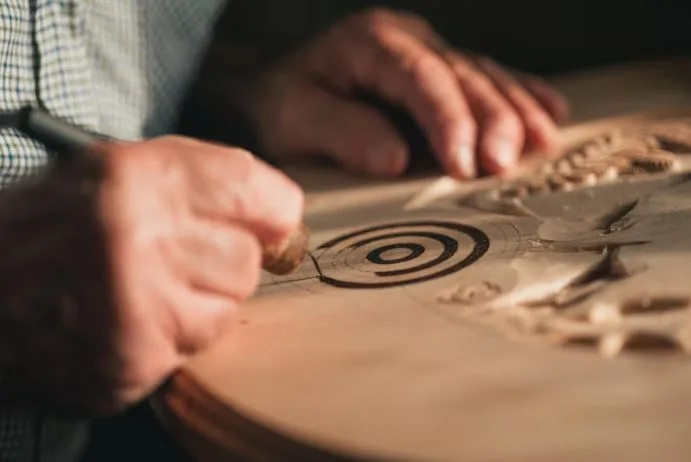
There was a time when furniture told a story. Not the flat-pack, assemble-it-yourself kind. The kind with nicks, grains, and imperfections. The kind your grandparents swore would “last a lifetime” and did.
Now that we’ve stepped into the “modern age,” something interesting is happening. Handmade furniture is back. Not as a niche. Not as a trend for design snobs, but as a full-blown shift in how people want their homes to feel.
It makes sense.
The Fatigue of Fast Furniture
Convenience rules. Cheap. Quick. Replaceable is the norm.
That convenience comes with a downside. Homes are starting to feel a little… samey. Mass production flattens personality. Walk into five different houses and see the same coffee table staring back at you.
It’s mediocrity en masse. Handcrafted elements are gaining traction because they bring back individuality. Each piece carries subtle variations. No two are identical. That alone makes a space feel more personal.
Nostalgia is Driving Design
The pull toward the past has abandoned the kitschy, over-the-top aesthetic. Now, it’s softer, more deliberate.
Design trends for 2026 are leaning heavily into vintage influences, Martha Stewart suggests familiar textures, classic shapes, and materials that feel lived-in. Pieces once considered outdated are finding their way back.
Cane furniture is reappearing in modern interiors, blending old-school charm with fresh design. And somehow it just works.
Bold retro kitchen styles are creeping back into relevance. But the difference is that today’s comeback isn’t copying the past. It’s reinterpreting it.
Handmade furniture fits perfectly into that narrative. It exudes timeless, not trendy.
Craftsmanship Feels Like Luxury Again
Luxury used to mean shiny, polished, and expensive-looking. Now? It’s quieter. Subtle. Thoughtful. Real. Handmade furniture embodies that ethos.
Veranda’s 2026 furniture trends point to craftsmanship becoming a defining feature of high-end design. People are paying attention to how things are made, not just how they look.
That’s where materials like reclaimed wood come in. Custom wood countertops carry history in every grain. You’re buying a surface. You’re also bringing a story into your home.
Elmwood Reclaimed Timber says that this is a significant upsell for homeowners, as reclaimed wood has unique physical attributes.
The Return of Texture and Warmth
Minimalism had a long run. Clean lines. Neutral palettes. Almost… too clean.
Now, the interiors are warming up again. The focus is on texture, layered, tactile, and natural. Wood, cane, woven materials. Anything that adds depth.
Handmade pieces understand the brief. You can see it. You can feel it. Sometimes, you can smell it.
That sensory experience is something mass production struggles to replicate.
Pushback Against ‘Perfection’
Perfection used to be the goal. Smooth finishes. Flawless edges. Zero variation.
These days, people are embracing imperfection. Interestingly, some once “tacky” design elements are making a comeback, according to House Beautiful. This time, they’re returning with a twist. More refined and more willful.
With handmade furniture in the picture, you can admire every uneven edge or visible knot in the wood. These aren’t flaws anymore. They’re features. They remind us that something real and human went into making the piece.
Sustainability is Part of the Appeal
Consumers are thinking more about where their stuff comes from. Fast furniture means fast waste. Pieces don’t last, and they end up in landfills. Handmade furniture flips that script.
It’s built to last. Mostly, it’s made from reclaimed or responsibly sourced materials, and designed to age well. Handcrafted design aligns closely with sustainable values. It’s slower. More intentional. Less disposable.
And for many buyers, that means more than aesthetics.
Small Details, Big Impact
Not everyone is going out and furnishing their entire home with handmade pieces. And they don’t have to.
One standout item can make a space shine. A solid wood dining table. A handcrafted chair. A statement kitchen surface.
Wood countertops custom-made, for instance, are becoming an understated focal point in modern homes. Made-to-order wood countertops anchor a space. Add warmth. Break up the monotony of stone and synthetic finishes.
It’s a small shift, and yet, it changes how a room feels.
Mixing Old and New
One of the biggest reasons handmade furniture works today? It plays well with everything else.
You don’t have to go full rustic or full vintage. The best spaces mix styles. A sleek, modern sofa paired with a handcrafted coffee table. Minimal cabinetry with a rich wood countertop. Clean lines softened by organic textures.
This kind of blending is exactly where design is heading, explains Real Simple. Layered, personal, and a little unexpected.
Handmade pieces add enough contrast to make a space feel alive.
Why This Comeback Feels Different
Trends come and go. That’s nothing new. This one, however, feels permanent.
Maybe it’s because it taps into something deeper. A desire for connection. For authenticity. For things that don’t feel disposable.
In a world that moves fast and replaces even faster, that kind of intention stands out in the best way possible.