How CNC Machined Parts Move from Prototype to Production
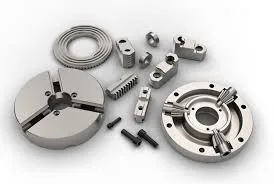
This article explains how CNC machining parts move from prototype to production and what usually changes before the same part becomes stable in regular production.
The real purpose of a sample part is to check fit, function, and basic assembly. In many cases the sample part works, but that does not mean the drawing is ready for production. A prototype part that machines well without difficulty can still create issues when the same geometry is repeated in quantity production.
Every tiny detail matters when real production begins. Thread position, tolerance, material, tooling, and machining time all affect whether the part stays stable in production. This is why many precision CNC machining parts need drawing updates before regular production begins.
Why a Good Prototype Still Needs Changes Before Production
A prototype is made for quality check, basic assembly check, and testing in real application. It shows the part can be made according to drawing. Production needs the same result repeated.
Many sample parts perform well during first testing. But real production shows small issues that were not visible earlier. A hole may need slight position change and a thread may need more edge distance. A surface may need extra clearance after actual assembly.
Production also brings some conditions that may not appear in a sample run. Tool wear starts after repeated machining. Fixture pressure changes slightly from part to part. Inspection variation also becomes visible when more parts are checked.
The main use of a prototype is testing, and it allows small correction if needed. One burr can be removed, one edge can be adjusted, and one feature can still pass after recheck. Production cannot depend on that. This is why many CNC machining parts manufacturers review the drawing again before stable production begins.
Why Some CNC Features Cost More Only After Production Starts
Some CNC features can be machined quickly during prototyping. But the same feature adds extra cost when bulk production begins. Extra setup, regular checking, and longer cycle time start affecting cost and time during full production.
For example, consider a threaded adapter. A sample part may meet requirements with just one threaded side and an internal bore. But if the same adapter needs extra flipping for side drilling, setup time increases. Each additional setup adds loading time, alignment checks, and fixture handling.
Deep internal features also change cost in production. A deep pocket may look normal in a sample part. But longer tool reach slows cutting when the part is produced in large quantities. It also increases vibration risk.
Tight tolerance in a non-critical area also raises production cost. A single prototype can be inspected manually with extra attention. Regular production needs the same dimension checked again and again. This increases inspection time.
The same issue appears near small threaded edges. In regular production, a thread close to the edge can create burr variation and thread consistency problems.
A prototype also accepts small manual finishing if needed. One burr can be removed and one edge can be touched again. But in production, that cannot continue. These factors explain why CNC machining parts costs often rise during full-scale production.
How Material Choice Changes CNC Production
Material choice is one of the first decisions in any product. Buyers and designers have to consider real factors before finalizing material. Material cost, machining speed, thread quality, surface treatment, and final application all affect this decision. If the same drawing changes material, machining behavior also changes. Aluminum and brass usually cut faster, while steel needs more cutting force and more machining time. Material choice also depends on application. If electrical conductivity matters, copper becomes useful. If low weight matters, aluminum becomes a practical choice.
Take one threaded connector as an example. If the part is an aluminum CNC machining part, machining becomes easier because grades such as 6061 cut easily. Many buyers also prefer aluminum for prototype stage because it stays light and costs less. A CNC machining parts supplier also prefers common grades because stock is easier to source quickly.
The same connector made from steel changes production behavior. Cutting force increases and tool wear starts earlier. Thread machining also takes more time. Steel becomes useful when the part needs hardness, stronger threads, and repeated tightening.
Brass changes the result again. Brass cuts smoothly and gives cleaner thread quality. It also gives better conductivity. That is why brass is often chosen when electrical contact matters more than low weight.
So material choice affects both machining and final part use before production begins.
Tolerance and Thread Details Start Mattering in Production
Tolerance and thread details look easy to maintain in a 5 to 10 sample run. The same feature becomes more important during production. A sample part can still pass after checking, but production needs consistency.
In one threaded part, a tapped hole may pass in one sample, but thread quality changes if hole size is not controlled. A small hole size difference increases tap load and can affect thread quality in production.
Tool wear also starts affecting threads during production. A fresh tap cuts clean threads in the first parts, but thread quality can change after more parts are produced. This becomes more visible in small threads and blind holes.
Tolerance also needs regular inspection during production. One sample checked carefully by hand and bulk quantity checking during production are different things. During production, you have to check the same dimensions each time and maintain consistency. Inspection time increases when tight tolerance is applied on non-critical areas.
A prototype run allows correction if needed. But production cannot depend on that. Product quality, thread consistency, and tight tolerance become more important during production.
Why Some Prototype Parts Still Become Difficult in Production
During sampling, some parts machine well, but the same drawing can become difficult during production. Some component features become hard to control.
Thin walls are one common reason. A thin wall may pass in a sample, but during production the wall can bend slightly under cutting force. This affects size and surface finish.
A small feature in drawing or one extra machining step can change production behavior. In a threaded adapter, one cross-hole may look simple in a sample, but during production that same hole needs one more setup. Every extra setup adds alignment time and repeated fixture handling.
Some features also become difficult to inspect. A dimension may machine correctly, but if measuring access is limited, checking becomes slower during production.
That is why some CNC machining parts look stable in sample stage but still need more attention during regular production.
Conclusion
A prototype shows how a part can be made and checked in real use. Production means the same part must stay stable in each batch.
Drawing, material choice, tolerance, and machining methods all affect this stage. If you consider these points at an early stage, then OEM CNC machining parts move into production with fewer problems.