Legal Energy Requirements Every UK Landlord Must Follow
Being a landlord in London carries a significant amount of responsibility. Beyond finding tenants and maintaining the property, there are strict legal obligations that must be met. Among the most important of these are the rules surrounding energy performance. The UK government has introduced a series of regulations designed to improve the energy efficiency of rented homes, and landlords who fail to comply can face serious consequences. Understanding these requirements is not optional. It is a fundamental part of managing a rental property lawfully and responsibly.
The Purpose of Energy Regulations
The regulations governing energy performance in rented properties exist for several reasons. First and foremost, they protect tenants from living in cold, damp, and expensive-to-heat homes. Before these rules were introduced, many people in London and across the UK were renting properties with poor insulation, outdated heating systems, and high energy bills. This created real hardship, particularly for low-income families and vulnerable individuals. The regulations also support the UK’s broader environmental goals. Housing is a major source of carbon emissions, and improving the energy efficiency of rented properties is a key step in reducing the country’s overall environmental impact. For landlords, compliance is not just about avoiding penalties. It is about providing safe, comfortable, and sustainable homes for their tenants.
Minimum Energy Efficiency Standards
One of the central pieces of legislation that landlords must understand is the Minimum Energy Efficiency Standard, commonly referred to as MEES. This standard sets a minimum level of energy performance that a property must achieve before it can be legally rented out. Currently, most privately rented properties must have an energy rating above a certain threshold. Properties that fall below this threshold cannot be let to new tenants, and existing tenancies cannot be renewed until improvements are made. There are some exemptions available, but these are limited and must be properly registered. For example, if a landlord has made all possible improvements and the property still does not meet the standard, or if making improvements would devalue the property by more than a specified amount, an exemption might apply. However, these cases are rare, and landlords should not assume that an exemption will be granted.
Providing an Energy Performance Certificate
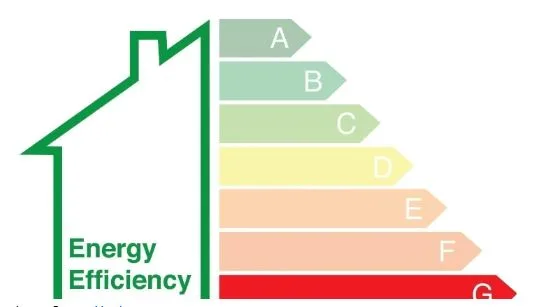
Before a property can be marketed for rent, the landlord must obtain and make available an energy performance certificate. This document provides a rating for the property based on its energy efficiency, along with recommendations for improvements. The certificate must be given to prospective tenants, and a copy must be lodged on a national register. The certificate is valid for a set number of years, after which a new assessment must be carried out. In a competitive rental market like London, where tenants have many properties to choose from, having a strong energy rating can give a landlord an advantage. Conversely, failing to provide the certificate can lead to enforcement action and financial penalties. It is the landlord’s responsibility to ensure that the assessment is carried out by a qualified and accredited professional.
Displaying Energy Information
In some cases, landlords are also required to display energy performance information prominently. This applies particularly to larger properties and buildings with multiple tenancies, such as blocks of flats or commercial premises with residential units. The rules are designed to ensure that energy performance is transparent and that tenants and buyers can easily access the information they need to make informed decisions. For landlords managing multiple properties across London, keeping track of display requirements and ensuring compliance at each location can be complex. Good record-keeping and regular reviews of regulatory updates are essential to avoid falling foul of the rules.
Making Improvements and Funding Options
When a property does not meet the minimum energy efficiency standard, the landlord is required to make improvements. These might include installing insulation, upgrading the heating system, replacing windows, or fitting more efficient lighting. The cost of these improvements can be significant, particularly for older properties that are common in many parts of London. However, there are funding schemes and grants available to help landlords meet their obligations. Some local authorities in London offer support for energy efficiency improvements, and there have been national programmes designed to reduce the financial burden on property owners. Landlords should explore these options and keep records of any work carried out, as this documentation may be needed to demonstrate compliance or to register an exemption.
Enforcement and Penalties
Local authorities are responsible for enforcing energy efficiency regulations, and they have the power to issue penalties to landlords who do not comply. These penalties can be substantial and are calculated based on the rateable value of the property and the length of time that the breach has continued. In addition to financial penalties, landlords may be named publicly, which can damage their reputation and make it harder to attract tenants in the future. For landlords with portfolios of properties across London, the risk of multiple penalties makes compliance a serious financial priority. It is far better to invest in improvements and proper documentation than to face the consequences of non-compliance.
Keeping Up with Changing Rules
Energy efficiency regulations are not static. The government has indicated that minimum standards will continue to rise over time, meaning that landlords will need to make further improvements to keep their properties compliant. What meets the standard today may not meet it in five or ten years. Forward-thinking landlords in London are already planning ahead, carrying out energy assessments and identifying the upgrades that will be needed to stay ahead of regulatory changes. This proactive approach not only ensures compliance but also protects the long-term value of the property. Tenants are increasingly energy-conscious, and properties with strong ratings are likely to remain in demand even as standards tighten.
Practical Steps for Compliance
For landlords who are unsure where to start, the first step is to check the current energy rating of each property in their portfolio. If a property does not have a valid certificate, or if the existing certificate is out of date, arranging a new assessment should be the immediate priority. Once the rating is known, the landlord can review the recommendations and create a plan for making improvements. It is advisable to seek professional advice, particularly for older or listed buildings where standard improvements may not be appropriate. Keeping detailed records of all assessments, improvements, and communications with tenants is also important. These records provide evidence of compliance and can be invaluable if questions arise during a tenancy or at the point of sale.
The Importance of Professional Assessments
Arranging a proper energy assessment is not something landlords should cut corners on. Only accredited assessors can issue valid certificates, and every inspection must follow a strict methodology. The final report is a legal document, meaning any inaccuracies can lead to compliance issues in the future. For landlords in London, where the rental market is highly competitive, having accurate and up-to-date energy documentation is essential for quick property listings and building tenant trust. Choosing a reliable provider for an EPC certificate London ensures the process is handled professionally, with all legal requirements fully met. That’s why many landlords rely on EPC Certs UK for accurate assessments and dependable certification services.
The Broader Context of Responsible Letting
Energy efficiency regulations are just one part of a wider framework of responsibilities that landlords must manage. Gas safety, electrical safety, fire safety, and tenancy deposit protection are all areas where legal requirements apply. However, energy performance is increasingly seen as a core aspect of providing a decent home. A property that is cold, damp, and expensive to heat is not a suitable place for anyone to live. By meeting and exceeding energy efficiency standards, landlords in London can demonstrate that they take their responsibilities seriously. This builds trust with tenants, reduces the likelihood of disputes, and helps to create a rental sector that works well for everyone involved.
For further reading on how energy performance affects property values and what landlords should consider when improving their rental homes, you may find our article on how energy scores influence the housing market a useful resource as you continue to manage your properties.