Video Surveillance in Edmonton: Compliance & Security Tips
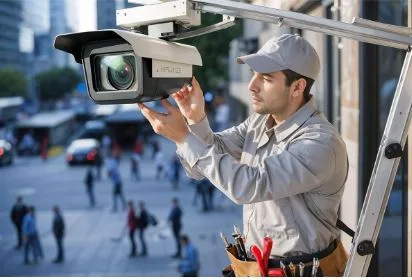
Security systems are now a standard part of business operations, but installing them correctly requires more than technical knowledge. The installation of video surveillance in Edmonton requires balancing protection with responsibility. Businesses are expected to secure their premises while also respecting privacy, which means every decision—from camera placement to data handling—must be made with intention.
In a city like Edmonton, where businesses operate in both public-facing and industrial environments, compliance plays a major role in how surveillance systems are implemented and perceived.
Why Compliance Is a Practical Business Concern
For many business owners, compliance may seem like a legal requirement rather than an operational priority. However, in real-world scenarios, it directly affects how customers and employees experience your space. When surveillance is implemented without transparency, it can create discomfort or distrust. On the other hand, when it is clearly communicated and responsibly managed, it reinforces a sense of safety and professionalism.
Security cameras and surveillance systems should support daily operations without creating unnecessary tension within the workplace or customer environment.
Understanding Surveillance Expectations in Edmonton
Businesses in Edmonton operate within a community that values transparency and accountability. Customers entering a retail store, employees working in an office, or contractors visiting a warehouse all expect to know when they are being monitored. This expectation is not just about legal compliance but about maintaining trust.
Surveillance should be visible enough to inform, yet subtle enough not to disrupt the overall experience. The goal is to create a secure environment that feels natural rather than intrusive.
Strategic Camera Placement for Compliance
Public and High-Traffic Areas
In practical settings, cameras are most effective when placed in areas where activity naturally occurs. Entrances, exits, and transaction points are critical because they provide clear visibility of movement and interactions. In Edmonton retail environments, this often means focusing on checkout counters and store entrances, where incidents are most likely to occur and where footage is most useful.
Operational Zones
For businesses such as warehouses and service facilities, cameras are often positioned in areas where inventory is handled or where operations take place. These locations allow business owners to monitor workflow while also protecting valuable assets. The focus remains on functionality rather than excessive coverage.
Avoiding Sensitive Spaces
Equally important is knowing where not to place cameras. Private areas such as restrooms, break rooms, or individual offices should remain free from surveillance. Respecting these boundaries ensures that monitoring does not encroach on personal privacy, a critical aspect of compliance in Edmonton.
Data Handling in Everyday Business Operations
Capturing footage is only one part of a surveillance system. What happens to that footage afterward is equally important. Businesses must ensure that recorded data is stored securely and accessed only when necessary. In practical terms, this means limiting who can view footage and ensuring that storage systems are protected against unauthorized access. A well-managed video surveillance installation includes not only cameras but also a clear process for handling the data they produce.
Building Trust Through Transparency
Transparency is one of the most effective ways to align surveillance with customer and employee expectations. Clear signage at entrances and visible camera placement communicate that monitoring is in place without needing detailed explanations. In office environments, informing employees through internal policies ensures that everyone understands how surveillance is used and why it exists.
This openness reduces uncertainty and helps create a more comfortable environment.
Avoiding Over-Surveillance in Business Settings
One of the most common issues businesses face is the tendency to install more cameras than necessary. While this may seem like a way to increase security, it can actually have the opposite effect. Over-surveillance can make employees feel constantly monitored and can create discomfort for customers. In Edmonton businesses, the more effective approach is to focus on key areas where surveillance adds value rather than attempting to cover every possible space. This balance ensures that security measures remain practical and respectful.
Technology That Supports Responsible Surveillance
Modern surveillance systems are designed with features that help businesses stay compliant without adding complexity. These systems often include controlled access to footage, secure storage options, and automated data management. For example, footage can be set to delete after a certain period, reducing the risk of storing unnecessary data. These features make it easier for businesses to manage surveillance in ways that align with both operational needs and privacy expectations.
Real-World Compliance in Edmonton Businesses
In everyday business scenarios, compliance is reflected in how surveillance systems are used rather than how they are described. Retail stores in Edmonton often place cameras in visible areas to deter theft while ensuring customers are aware of monitoring. Office environments focus on entry points and shared spaces, using surveillance to manage access rather than monitor individual employees.
Warehouses rely on cameras to oversee inventory and logistics, ensuring that operations run smoothly while maintaining appropriate boundaries. These examples show that compliance is not about limiting surveillance but about applying it thoughtfully.
Working with Professionals Who Understand Local Requirements
Implementing surveillance systems without guidance can lead to mistakes that affect both performance and compliance. Professionals who are familiar with Edmonton’s business environment understand how to design systems that meet practical needs while aligning with expectations.
A properly executed video surveillance installation considers not only where cameras should be placed but also how the system will be managed over time. This level of expertise helps businesses avoid common issues and ensures that their systems remain effective.
Common Compliance Challenges Businesses Face
Many businesses encounter challenges when they attempt to manage surveillance without a clear plan. Some fail to communicate the presence of cameras, leading to confusion or complaints. Others store footage without proper security measures, increasing the risk of data breaches.
There are also cases where cameras are installed in inappropriate locations, creating privacy concerns. Addressing these challenges early ensures that surveillance systems support business goals rather than creating new problems.
To Wrap it Up
The installation of video surveillance in Edmonton is most effective when it is approached with both strategy and responsibility. By focusing on proper placement, transparent communication, and secure data management, businesses can create systems that enhance security without compromising trust.
A well-planned installation of video surveillance does more than protect assets—it reinforces professionalism, supports daily operations, and ensures that security measures align with the expectations of the community.