Trading Card Sleeves Become Essential as Collectors Treat Cards Like Real Assets
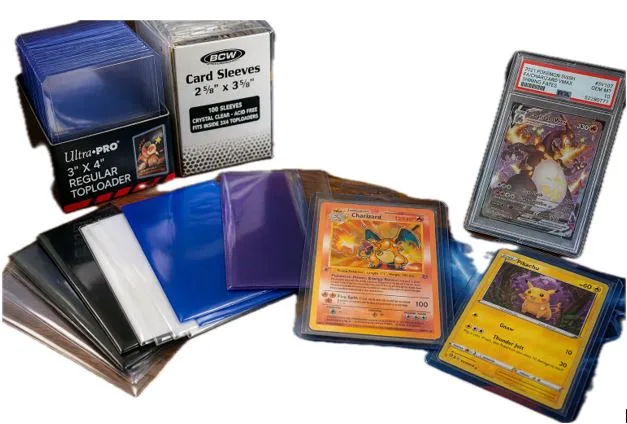
The trading card market has changed dramatically. What was once a hobby built around playground swaps, weekend card shops, and casual binders has matured into a serious collectibles ecosystem. Today, cards are bought, sold, graded, insured, displayed, and tracked with the same care once reserved for fine art, watches, or rare coins.
That shift has brought one quiet accessory into sharper focus: trading card sleeves.
For years, sleeves were seen as a basic add-on. They were something players used to stop cards from getting scratched during games, or something collectors bought in bulk without much thought. Now, with card values climbing and grading becoming a central part of the hobby, sleeves have become a first line of defense for protecting both sentimental value and financial value.
As collectors become more sophisticated, trading card sleeves are no longer just about keeping a deck tidy. They are about condition preservation, resale readiness, grading potential, and long-term storage.
Why Trading Card Sleeves Are Suddenly More Important
The trading card market has grown into a major global category, spanning sports cards, Pokémon, Magic: The Gathering, Yu-Gi-Oh!, One Piece, Disney Lorcana, and other collectible card games. Market research from Grand View Research estimated the global sports trading cards market at $13.51 billion in 2025, with projections suggesting continued growth through 2033.
That growth has changed collector behavior. People are no longer casually stacking valuable cards in drawers or leaving rare pulls exposed on desks. The more valuable the market becomes, the more serious collectors get about protection.
Sleeves sit at the beginning of that protection chain. Before a card goes into a binder, top loader, semi-rigid holder, magnetic case, or grading submission, it usually goes into a sleeve first. This simple step helps reduce surface scratches, fingerprints, corner wear, dust, and other small forms of damage that can seriously affect a card’s condition.
The Grading Boom Has Raised the Stakes
One of the biggest reasons trading card sleeves matter more today is the rise of professional grading. Grading companies assess a card’s condition and seal it in a protective case with a grade, often increasing buyer confidence and resale value.
According to reporting on 2025 grading activity, 26.8 million cards were graded across major grading companies that year, up from around 20 million in 2024. PSA accounted for the largest share of that volume.
This matters because grading is unforgiving. PSA’s own guidance highlights that collectors should examine a card’s surface, edges, centering, folds, and creases when assessing condition. A single scratch, dinged corner, or bit of edge wear can be the difference between a high-value grade and an average one.
That is where sleeves become so important. They do not guarantee a perfect grade, and they cannot fix factory defects or poor centering. But they can help prevent avoidable damage after the card is pulled, purchased, traded, or shipped.
The Investment Side of Card Protection
The word “investment” can make some hobbyists uncomfortable, and understandably so. Cards should still be collected because people enjoy them. But the financial reality is impossible to ignore.
eBay’s 2025 collectibles report highlighted major demand across trading cards, including a Pokémon Charizard Base Set Shadowless 1st Edition Holo Rare PSA 10 selling for more than $270,000 in August 2025. Whether someone owns a six-figure card or a $20 rookie, the same basic principle applies: condition protects value.
Trading card sleeves are one of the lowest-cost tools available to help preserve that value. For collectors who buy sealed products, participate in breaks, trade locally, or sell online, sleeving valuable cards immediately is a basic best practice.
A card that is handled raw can pick up tiny marks almost instantly. Natural oils from fingers, dust on a table, or friction against another card can all create surface issues. These problems may seem minor until the card is inspected under bright light or magnification.
What Good Trading Card Sleeves Are Made From
Not all sleeves are equal. One of the most important factors is material.
Many respected card storage products use acid-free, non-PVC polypropylene. BCW describes standard card sleeves as acid-free and made from archival-quality polypropylene, designed to protect cards from dust, fingerprints, and surface wear. Ultra Pro product listings also describe some storage pages as clear, non-PVC, acid-free, archival-safe polypropylene film.
These details matter because poor-quality plastics can damage cards over time. Collectors should be cautious with cheap sleeves that feel cloudy, sticky, overly tight, or poorly cut. A sleeve should protect a card without squeezing it, scratching it, or trapping debris against the surface.
For long-term storage, collectors should look for sleeves that are:
- Acid-free
- Non-PVC
- Archival safe
- Properly sized
- Clear and smooth
- Easy to insert without force
The sleeve should fit the card securely but not tightly. If a card has to be pushed aggressively into a sleeve, the sleeve is not doing its job properly.
Sleeves for Players vs Sleeves for Collectors
There are two major groups of sleeve users: players and collectors. Their needs overlap, but they are not identical.
Players need sleeves that can survive repeated shuffling, table play, tournament handling, and regular deck changes. These sleeves often have matte backs, textured finishes, and stronger construction. They are built for durability and feel.
Collectors, on the other hand, usually care more about clarity, long-term protection, and compatibility with other storage methods. A collector may use soft sleeves for raw cards, then place those sleeved cards into top loaders, binders, semi-rigid holders, or storage boxes.
For Pokémon, sports cards, Magic: The Gathering, Yu-Gi-Oh!, and One Piece cards, standard-size sleeves usually cover most needs. However, collectors should always check card dimensions, especially with older cards, oversized cards, tobacco cards, sticker cards, or thick memorabilia cards.
Why Retailers Are Paying Attention
Trading card sleeves are also becoming more important for retailers and hobby shops. As more people enter the hobby, accessories are no longer an afterthought. They are a recurring purchase.
TCGplayer’s May 2025 supplies analysis noted that card sleeves generally outsold binders, playmats, and storage items by both units sold and total value, partly because sleeves wear out through handling and need replacing more often.
That makes sleeves a useful indicator of hobby activity. When people are buying sleeves, they are usually opening cards, building decks, preparing trades, submitting cards for grading, or organizing collections. In other words, sleeve sales often reflect active participation.
For stores, this means the sleeve section is not just a supply shelf. It is part of the customer experience. New collectors often need advice on which sleeves to buy, how to store valuable cards, and what protection level is appropriate for different card types.
Common Mistakes Collectors Still Make
Even experienced collectors make mistakes with sleeves. The most common one is waiting too long. A valuable card should be sleeved as soon as possible, ideally immediately after being pulled or received.
Another mistake is using damaged sleeves. Sleeves can collect dust, grit, and small scratches. If a sleeve looks worn, cloudy, or dirty, it should be replaced.
Collectors also sometimes force cards into sleeves that are too tight. This can damage corners or edges, especially on cards with sensitive foil surfaces. The correct technique is to gently open the sleeve mouth and slide the card in without pressure.
A fourth mistake is assuming a sleeve alone is enough. Sleeves protect against light handling damage, but they do not prevent bending, crushing, humidity problems, or heavy impact. Valuable cards usually need additional protection, such as a top loader, semi-rigid card saver, or magnetic holder.
The Rise of Double Sleeving
Double sleeving has become increasingly common among collectors and trading card game players. The method usually involves placing a card in an inner sleeve, then placing that sleeved card into a second outer sleeve.
The goal is to create a better seal around the card and reduce exposure to dust, moisture, and handling wear. It is especially popular among players using expensive decks and collectors storing valuable raw cards.
However, double sleeving should be done carefully. Too much pressure, poor sleeve sizing, or bulky storage can create bending risk. The technique works best when both sleeves are designed to fit together properly.
Trading Card Sleeves and Online Selling
Online selling has made card protection even more important. A card may look perfect when photographed, but if it is shipped poorly, it can arrive damaged and create disputes between buyer and seller.
For sellers, sleeving is a basic trust signal. Buyers expect cards to be protected before shipment. A common shipping setup includes a penny sleeve, top loader or semi-rigid holder, team bag, and rigid mailer or cardboard support.
This is not just about protecting the card. It is about protecting reputation. In marketplaces where feedback matters, poor packaging can damage a seller’s credibility quickly.
The Future of Trading Card Protection
As the trading card industry becomes more professional, card protection products are likely to keep evolving. Collectors are already looking for clearer materials, better fit, stronger corners, recyclable options, custom artwork, and products designed specifically for grading prep.
The sleeve market will likely continue to serve both sides of the hobby: the emotional and the financial. Some buyers want bright sleeves for tournament decks. Others want invisible protection for vintage rookies. Many want both.
What is clear is that sleeves have moved from the background to the center of collecting culture.
FAQ: Trading Card Sleeves
What are trading card sleeves used for?
Trading card sleeves protect cards from scratches, fingerprints, dust, light handling wear, and minor surface damage. They are commonly used for sports cards, Pokémon cards, Magic: The Gathering cards, Yu-Gi-Oh! cards, and other collectible cards.
Are trading card sleeves worth it?
Yes. Sleeves are one of the cheapest and most effective ways to protect trading cards. For valuable cards, they are usually the first step before adding stronger protection like top loaders or semi-rigid holders.
What are the best sleeves for valuable cards?
For valuable cards, collectors typically look for acid-free, non-PVC, archival-safe polypropylene sleeves. The sleeve should fit correctly and allow the card to slide in smoothly without force.
Can sleeves improve a card’s grade?
Sleeves cannot improve a card’s original condition, but they can help prevent additional damage before grading. That makes them important for preserving grading potential.
Should every trading card be sleeved?
Not every common card needs premium protection, but any card with financial, sentimental, or gameplay value should be sleeved. Rare pulls, vintage cards, autographs, foils, rookies, and playable deck cards should be protected immediately.
Final Thoughts
Trading card sleeves may be simple, but their importance has grown alongside the hobby itself. As cards become more valuable, grading becomes more common, and online selling becomes more competitive, protection is no longer optional.
For collectors, sleeves help preserve condition. For players, they protect decks through repeated use. For sellers, they show care and professionalism. For investors, they help defend long-term value.
The trading card market may be driven by rare pulls, iconic athletes, beloved characters, and headline-making auctions, but behind nearly every well-preserved card is a simple piece of plastic doing quiet, essential work.