The Rise of Cybersecurity-as-a-Service and What It Means for the SMB Market
Introduction: A Shifting Cybersecurity Landscape
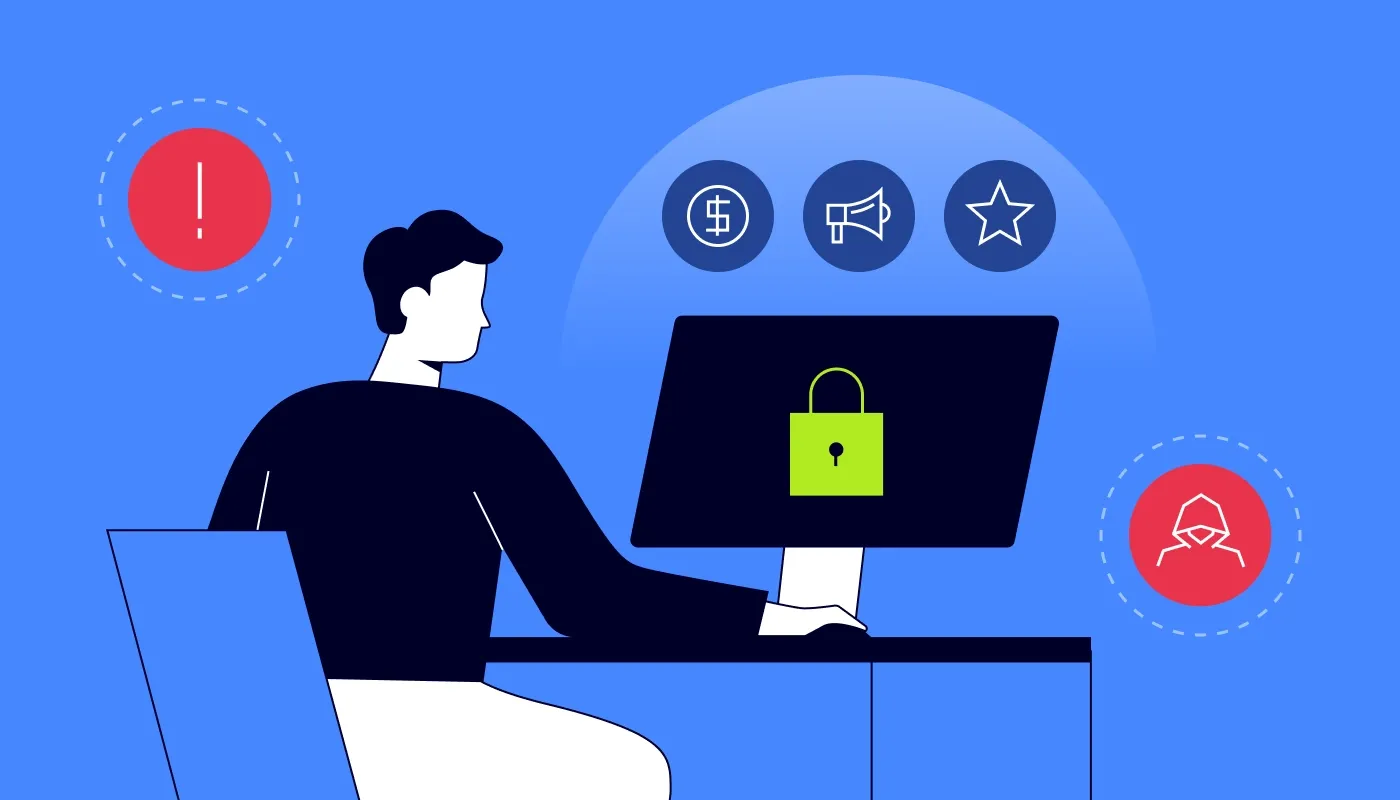
In today’s digital economy, cybersecurity remains a paramount concern for businesses of all sizes. Small and medium-sized businesses (SMBs) face a particularly daunting challenge: they often lack the resources and expertise to defend against increasingly sophisticated cyber threats. This gap has fueled the rapid rise of Cybersecurity-as-a-Service (CSaaS), a model that delivers comprehensive security solutions on a subscription basis. For SMBs, this emerging approach offers a way to access enterprise-grade protection without the prohibitive costs and complexity of in-house teams.
The global cybersecurity market is projected to grow from $217 billion in 2021 to over $345 billion by 2026, reflecting the urgency organizations place on defending their digital assets. This growth is driven in large part by the adoption of cloud-based security services, which provide scalable, flexible, and cost-effective defenses.
A critical component of successful CSaaS implementation is strategic AI governance. Strategic AI governance ensures that the artificial intelligence technologies embedded in security platforms are managed responsibly, ethically, and effectively. This governance framework helps companies harness AI-driven threat detection while mitigating risks associated with automation and data privacy. By establishing clear guidelines and oversight, organizations can optimize AI use to enhance security outcomes without compromising compliance or trust.
What is Cybersecurity-as-a-Service?
Cybersecurity-as-a-Service refers to outsourced security solutions delivered via the cloud, enabling companies to leverage advanced tools, threat intelligence, and expert monitoring without building internal capabilities. Services typically include endpoint protection, threat detection and response, vulnerability management, compliance assistance, and incident recovery.
For SMBs, the appeal is clear: CSaaS shifts capital expenditures to operational expenses, reduces the need for in-house expertise, and provides access to cutting-edge technologies. It also helps businesses keep pace with regulatory requirements and evolving cyberattack tactics.
The integration of AI into cybersecurity tools has been a game-changer. According to a recent report by Cybersecurity Ventures, AI-powered security solutions are expected to reduce cybercrime costs by $1 trillion by 2025. This highlights the growing reliance on intelligent automation to detect and mitigate threats faster than ever before, which is particularly beneficial for SMBs with limited resources.
Why SMBs Are Turning to Cybersecurity-as-a-Service
SMBs are increasingly targeted by cybercriminals because they often lack robust defenses. According to the Verizon 2023 Data Breach Investigations Report, 43% of cyberattacks target small businesses, yet only 14% feel confident in their cybersecurity readiness. This vulnerability has pushed many SMBs to explore CSaaS providers who bring specialized skills and continuous monitoring capabilities.
Another factor driving CSaaS adoption is the complexity of managing multiple security tools in-house. Many SMBs struggle to integrate disparate solutions, leading to coverage gaps and inefficient operations. Outsourcing to a single service provider with an end-to-end security approach simplifies management and improves overall posture.
OneNet Global’s technical support plays a pivotal role here. Their expertise ensures that SMBs receive not only reactive help during incidents but also proactive guidance for optimizing security configurations. This comprehensive support model reduces downtime and strengthens defenses against emerging threats. With skilled support available around the clock, SMBs can focus on their core business activities with greater peace of mind.
Key Benefits of Cybersecurity-as-a-Service for SMBs
- Cost Efficiency and Predictability
Building a dedicated cybersecurity team and investing in hardware and software can be cost-prohibitive for SMBs. CSaaS converts these expenses into manageable monthly fees, enabling better budgeting and financial planning. Moreover, service providers can spread costs across multiple clients, delivering economies of scale. This financial model lowers the barrier to entry for robust security measures, which historically have been accessible only to larger enterprises.
- Access to Expertise and Advanced Technologies
Cybersecurity talent is in short supply globally. SMBs often cannot compete with larger enterprises for skilled professionals. CSaaS providers bring a team of experts who stay current with threat landscapes and best practices. They also deploy advanced technologies such as AI-driven analytics and automated threat hunting, which would otherwise be inaccessible to smaller companies.
This access to expertise is critical given the constantly evolving nature of cyber threats. Research from the ISC ² Cybersecurity Workforce Study indicates a global shortage of nearly 3 million cybersecurity professionals in 2023. CSaaS providers help close this gap for SMBs by providing scalable access to skilled personnel.
- Continuous Monitoring and Rapid Incident Response
Threat detection and response require 24/7 vigilance. Many SMBs lack the resources to maintain around-the-clock monitoring. CSaaS platforms offer continuous threat surveillance and rapid incident response, significantly reducing the window of exposure. According to IBM’s Cost of a Data Breach Report 2023, organizations with fully deployed security automation and AI tools reduce breach costs by an average of $3.05 million.
Continuous monitoring also helps identify vulnerabilities before they can be exploited. By leveraging real-time data and threat intelligence, CSaaS providers can proactively defend against emerging attack vectors, which is especially important for SMBs that may not have dedicated security teams.
- Regulatory Compliance Support
Navigating complex data protection regulations such as GDPR, HIPAA, and CCPA presents challenges for SMBs. CSaaS providers often include compliance management services that help companies align their security controls with legal requirements, reducing the risk of costly penalties.
For SMBs, staying compliant can be overwhelming due to limited legal and technical resources. CSaaS providers’ expertise in compliance frameworks helps ensure that security policies and procedures meet necessary standards, giving SMBs confidence in their regulatory posture.
Considerations When Selecting a CSaaS Provider
While the advantages are compelling, SMBs must carefully evaluate potential providers to ensure alignment with their needs and risk profiles. Key considerations include:
– Customization and Scalability: The provider should offer solutions tailored to the SMB’s industry, size, and threat landscape, with the ability to scale as the business grows. A one-size-fits-all approach can leave critical gaps or result in unnecessary costs.
– Transparency and Reporting: Clear visibility into security events and performance metrics is essential for informed decision-making. SMBs should demand regular reports and dashboards that clarify their security status and response actions.
– Integration Capabilities: The CSaaS platform must integrate smoothly with existing IT infrastructure and business applications. Compatibility reduces complexity and improves overall security effectiveness.
– Support Services: Responsive customer service and technical support, such as that offered by, are critical to maintaining operational continuity. Providers that offer 24/7 support, incident management, and proactive consulting can make a significant difference in resilience.
Additionally, SMBs should inquire about the provider’s incident response protocols and disaster recovery capabilities. Understanding how quickly and effectively a provider can respond to breaches or outages is crucial for minimizing damage.
The Future of Cybersecurity-as-a-Service in the SMB Market
As cyber threats evolve and digital transformation accelerates, the demand for agile, comprehensive cybersecurity solutions will only increase. CSaaS is poised to become the preferred model for SMBs seeking effective protection without overextending resources.
Emerging technologies like zero-trust architectures, extended detection and response (XDR), and AI-driven threat intelligence will further enhance CSaaS offerings. Providers who prioritize and robust support services will stand out in the competitive marketplace. The integration of these advanced frameworks ensures that security strategies are both proactive and adaptive, enabling SMBs to stay ahead of attackers.
Moreover, as regulatory environments tighten worldwide, SMBs will increasingly rely on CSaaS providers to maintain compliance and safeguard sensitive data. The scalability of CSaaS means that even very small businesses can access sophisticated security tools that were once reserved for large corporations.
Investment in cybersecurity is no longer optional for SMBs; it is essential for survival and growth. According to a report by Cybersecurity Insiders, 60% of SMBs that suffer a cyberattack go out of business within six months. This stark statistic underscores the urgency with which SMBs must adopt robust security measures.
In summary, the rise of Cybersecurity-as-a-Service represents a paradigm shift that empowers SMBs to defend their digital assets effectively and sustainably. By leveraging expert providers and advanced technologies within a managed service framework, small and medium businesses can confidently navigate today’s complex cyber threat environment. This shift not only enhances security but also enables SMBs to focus on innovation and growth without being hindered by cybersecurity limitations.