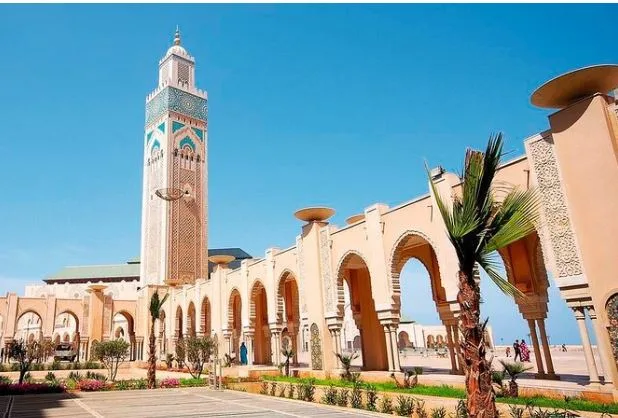
As the global travel and hospitality industry continues to evolve, international tourists are increasingly prioritizing destinations that offer a seamless blend of authenticity, safety, diverse landscapes, and modern infrastructure. According to recent travel industry reports, North Africa—and specifically Morocco—is emerging as one of the fastest-growing tourism hubs in the world.
Shattering previous arrival records, Morocco is no longer just a niche destination for adventurous backpackers; it has successfully repositioned itself as a premium, multifaceted travel destination suitable for luxury seekers, digital nomads, and cultural explorers alike. This year, the trends point heavily toward North Africa. Here is a comprehensive look at why Best Morocco Tours is dominating global travel itineraries and what visitors are seeking when they arrive.
The Shift Toward Bespoke and Experiential Travel
One of the most significant shifts in global tourism is the decline of the traditional, crowded package holiday. Today’s travelers—particularly Millennials and Gen Z—are driven by “experiential travel.” They do not just want to observe a new culture; they want to actively participate in it.
In Morocco, this trend translates to a massive surge in demand for tailored, private experiences. Visitors are trading large coach buses for private 4×4 vehicles. They are seeking out intimate cooking classes in the heart of the Marrakech medina, private stargazing sessions in the Sahara Desert, and guided hikes through the remote Berber villages of the High Atlas Mountains.
To facilitate these highly personalized itineraries, tourists are increasingly bypassing large, impersonal booking conglomerates in favor of specialized local operators. Trusted local brands and boutique agencies like Morocco Tours Post have become invaluable resources for modern travelers. By utilizing specialized regional experts, tourists can ensure their itineraries are not only customized to their exact preferences but also rooted in authentic, sustainable local practices.
The Coastal Renaissance: Agadir and the Souss-Massa Region
While the imperial cities of Marrakech, Fes, and Rabat have historically dominated Moroccan tourism brochures, a new trend is emerging: the rise of the Atlantic coast. The southern region of Souss-Massa, with the city of Agadir acting as its capital, is experiencing a major renaissance.
Agadir has recently undergone a massive urban development program, upgrading its infrastructure, expanding its beautiful coastal promenades, and opening a string of world-class resorts. However, the true appeal of the region lies just outside the city limits. The coastline north of Agadir, particularly around Taghazout, has transformed into a globally recognized surfing mecca, attracting a vibrant, youthful demographic of wave-riders and digital nomads.
The Rise of Independent Coastal Road Trips
South of Agadir lies the untouched beauty of the Souss-Massa National Park and the dramatic, rugged landscapes of the Anti-Atlas Mountains. Unlike the dense, easily walkable medinas of the north, this southern region is expansive.
The trend for travelers visiting the south is heavily skewed toward independent exploration. To truly uncover the hidden beaches, coastal cliffs, and ancient granaries of the region, relying on public transportation is simply not viable. Consequently, there has been a massive spike in the demand for independent mobility. Booking a reliable rental car in Agadir has become the first logical step for travelers landing at the Al Massira Airport. Having a private vehicle transforms a static beach holiday into a dynamic road trip, allowing tourists to chase the best surf breaks or explore the winding mountain roads at their own absolute pace.
Culinary Tourism: A Feast for the Senses
Another major driver of Morocco’s tourism boom is its rising status as a global culinary capital. Moroccan cuisine—characterized by its complex spice blends, slow-cooked tagines, and delicate balance of sweet and savory flavors—is drawing food enthusiasts from around the world.
Culinary tourism in Morocco has evolved far beyond simply eating at a restaurant. Travelers are booking interactive food tours where they start the day navigating the chaotic local souks to purchase fresh produce, spices, and meats. These tours often culminate in a hands-on cooking workshop hosted in a traditional riad, where guests learn the intricate art of rolling couscous or perfectly seasoning a lamb tagine. The global fascination with healthy, flavorful Mediterranean and North African diets has placed Morocco firmly on the map for traveling foodies.
The Digital Nomad Influx and Extended Stays
The post-pandemic normalization of remote work has given rise to the “digital nomad”—professionals who work from their laptops while traveling the world. Morocco has proactively tapped into this lucrative market.
With the introduction of new, flexible visa policies for many nationalities and a massive investment in nationwide high-speed internet infrastructure, Morocco is an ideal base for remote workers. Cities like Marrakech and Essaouira are now home to numerous modern co-working spaces equipped with fiber-optic internet, nestled right next to 12th-century architecture. The relatively low cost of living, combined with a high quality of life and proximity to Europe (just a short flight or ferry ride away), makes Morocco an irresistible hub for the growing global remote workforce.
Infrastructure: Connecting the Kingdom
None of this tourism growth would be sustainable without world-class infrastructure, and this is where Morocco has truly outpaced its regional competitors. The country boasts an extensive network of modern toll highways connecting all major cities.
Furthermore, the Al Boraq high-speed train—the first of its kind in Africa—has revolutionized travel within the country. It connects the commercial hub of Casablanca with the northern port city of Tangier in roughly two hours, a journey that previously took up to five. With continued investments in airport expansions and the establishment of new direct flight routes from North America, Europe, and the Middle East, accessing the magic of Morocco has never been easier.
Conclusion
The current trends in global tourism indicate a clear preference for destinations that offer depth, diversity, and an authentic sense of place. Morocco delivers on all these fronts. By seamlessly blending its rich, ancient heritage with forward-thinking infrastructure and a modern approach to hospitality, it is easy to see why the country is breaking tourism records.
Whether it is through a meticulously crafted desert expedition, an independent road trip along the sun-drenched Atlantic coast, or a prolonged stay working from a vibrant medina, Morocco offers a profound and unforgettable experience. As the year progresses, this North African gem will undoubtedly remain at the very top of the world’s most desirable travel lists.