Why Prediction Markets Are Becoming a New Form of Entertainment

For years, entertainment meant watching games on TV, headlines on a screen, and award shows unfolding in real time. That model is changing. Audiences no longer want to sit back and observe, they want to participate.
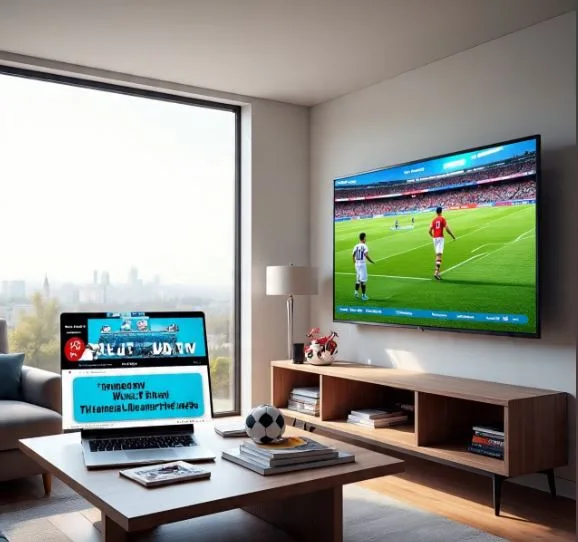
Second-screen behavior has become the norm, and major sporting events or cultural moments rarely exist in isolation. Viewers scroll, comment, and react as events unfold, staying connected in real time. Prediction markets fit naturally into this shift, turning moments into opportunities for interaction. Instead of simply asking what happened, audiences are increasingly focused on what happens next and how they can take part.
The Rise of Gamified News
News used to be something people consumed after the fact. Today, it feels more like something to engage with in real time. Live updates and social feeds now shape how audiences follow stories as they unfold.
Prediction markets have helped drive that shift. Headlines no longer just inform, they invite participation. When major stories break, attention quickly shifts from reporting to speculation, with audiences asking who will win, what happens next, and how likely each outcome is.
Major media outlets now incorporate real-time probability signals into coverage, making the news cycle feel more dynamic and interactive. The effect mirrors what fantasy sports did years ago, turning passive audiences into active participants. Statistics are no longer static; they have become tools for engagement and decision-making. In the same way, current events are evolving into something people actively follow, interpret, and respond to as they unfold in real time environments.
The Appeal of Being Right
There is a simple but powerful driver behind the rise of prediction markets: people enjoy being right. This appeal becomes even stronger when opinions are tested in real time against shifting information and public sentiment.
The “I knew it” moment carries weight, validating instinct and the ability to read situations correctly. Prediction markets amplify that feeling by making it measurable, allowing participants to test their views against collective judgment.
That dynamic creates a different kind of engagement:
- Intellectual satisfaction replaces passive interest,
- Social validation adds a public dimension,
- Personal insight feels rewarded, not just expressed.
Participants are not just following events, they are interpreting them. Many begin to see themselves as analysts rather than spectators, shifting the experience from chance to understanding patterns, narratives, and timing.
Continuous Engagement and Real-Time Interaction
Traditional forms of prediction often end at the starting line. A decision is made, and the outcome plays out without further input. Prediction markets introduce a more fluid experience.
Events are followed moment by moment rather than as a single outcome. A goal, a speech, or even a subtle shift in momentum can instantly reshape expectations about what comes next. That level of responsiveness helps keep attention firmly engaged.
The experience feels less like placing a prediction and waiting, and more like participating in a live, evolving environment. Each update or turning point creates a new opportunity to reassess what might happen next.
This constant movement deepens involvement. Every update matters, and even small developments carry weight. The result mirrors live entertainment, where engagement builds over time rather than peaking at the end.
Prediction Markets as Online Identity
Digital platforms have become spaces where identity is shaped in real time. Opinions are shared constantly, often tied to trending topics or unfolding events. Prediction markets add a new dimension by giving those opinions measurable weight.
Instead of simply stating what someone believes will happen, participants back their views with action. That shift, from opinion to position, changes how people engage online, adding a layer of accountability and conviction beyond casual commentary.
This dynamic is reflected in the rise of prediction markets, where users trade on real-world outcomes and move beyond simply following events to participating in the conversations shaping them. Participation becomes a form of expression, not just observation.
During major events like award shows or global tournaments, this dynamic becomes especially visible. Users share positions, react in real time, and engage in discussions that turn predictions into part of a broader narrative shaped by collective experience.
A Changing Perception of Entertainment
Perception plays a key role in the growing appeal of prediction markets. In fast-moving digital environments, how these platforms are framed shapes how they are understood.
Traditional betting often carries stigma tied to chance and fixed outcomes. Prediction markets feel different, using analytical language focused on probability and positioning rather than simple wins or losses, which changes how participation is viewed.
Many participants use these platforms to engage with information rather than simply place wagers. The experience feels closer to interpreting trends than relying on luck, opening the door to a broader audience beyond traditional betting environments.
The result is a hybrid form of entertainment, one that blends analysis, participation, and real-time engagement into a single experience. This combination reshapes how audiences interact with events as they unfold.
Expansion Into Mainstream Entertainment
Prediction markets are no longer limited to niche audiences or specialized topics. They are expanding into areas that already capture widespread attention, making them a natural fit for modern entertainment habits.
This expansion is easy to see across several categories:
- Pop culture events such as award shows, celebrity news, and major releases,
- Sports milestones, including player performances and tournament outcomes,
- Global events that generate widespread public interest and speculation,
- Technology developments, from product launches to emerging trends.
Each category attracts its own audience, but the appeal is consistent. People are drawn to engaging with outcomes rather than just observing them, and prediction markets turn that curiosity into a more interactive experience.
Integration into mainstream platforms continues to lower the barrier to entry. Across widely used apps and services, what once felt niche now feels accessible, helping prediction markets become part of everyday digital behavior.
A More Interactive Way to Experience Events
Entertainment is evolving toward participation. Audiences expect more than updates, they expect involvement. Prediction markets reflect that shift by turning real-world events into shared, interactive experiences.
Moments that once passed by are now opportunities for engagement. Conversations carry more weight. Outcomes feel more personal. Following an event becomes richer, more dynamic, and more connected to individual perspective. Prediction markets are not replacing traditional entertainment. They are reshaping how it is experienced. Watching is no longer the endpoint. Participation is.