Why Professional Pool Table Refelting Is Worth the Investment
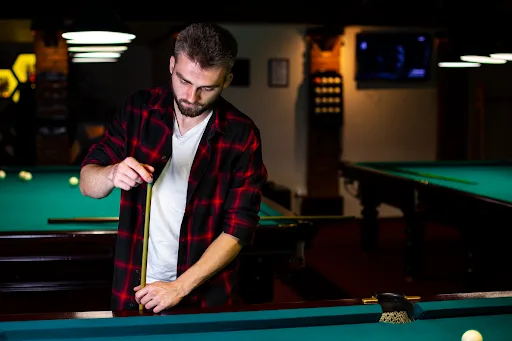
A professional refelt restores the speed and accuracy you notice in the first rack. Old cloth slows the cue ball, worn seams create drift, and tired rails can hide setup problems. A skilled technician re-clothes the table, levels the slate, and tunes the rails so shots track cleanly.
If you’re in South-East Queensland or Northern NSW, Niesler & Sons provides expert pool table refelting with correct cloth tension, slate seam prep, and rail recovering for consistent play.
Knowing what a proper refelt includes helps you compare quotes, choose the right cloth, and check the finished job with confidence.
Key Takeaways
Professional work improves play now and lowers the chance of expensive rework later.
- A proper install brings cloth tension, cushion height, and slate level closer to WPA standards.
- Cloth choice should match your game code, with Strachan 6811 common for Australian 8-ball and worsted cloth common for American pool.
- Australian owners usually pay about AU$285-$515, and most refelts take 2-4 hours.
- DIY can work, but tool costs and rework risk erase much of the savings.
- Rebound and slow-roll tests make it easy to see whether the table now plays true.
What Professional Refelting Really Means
Professional refelting is a full setup job, not a simple fabric swap
A complete job includes removing rails and old cloth, checking slate seams, levelling the bed, stretching new cloth, recovering rails, and testing pocket and rail response.
Tension matters. Simonis recommends a tight install because loose cloth bunches in front of the ball, slows play, and leaves heavier burn marks. Professionals also bring precision levels, proper adhesives, and pocket templates that most owners do not keep on hand, and that extra setup knowledge is hard to match, which is why many owners choose professional pool table refelting services when consistent play matters most.
3 Big Benefits of Hiring a Pro
A skilled installer improves roll right away and cuts future repair costs.
Immediate Playability Gains
The difference shows up on the first long pot. True roll across the whole bed replaces drift near pockets, and rebound feels more even. The WPA, or World Pool-Billiard Association, says a firm centre-ball stroke should return the cue ball about 4-4.5 table lengths.
Longer Cloth Life
Correct stretch reduces pilling and white burn spots. Pros also protect slate seams during the install, which helps later cleaning stay safe. Simonis advises removing chalk with an X-1 cleaner or a non-rotating vacuum head so the cloth does not stretch.
Lower Total Cost of Ownership
One correct install usually costs less than two average ones. With the rails already off, a technician can also check cushion rubber and facings, which may save a second call-out later.
Cloth Choices: Napped vs Worsted
Choose cloth for your game first, then for your maintenance habits.
Napped cloth has a directional fuzz called a nap. Worsted cloth has a smooth finish and plays faster.
| Cloth Type | Speed | Best For | Maintenance
|
|---|---|---|---|
| Strachan 6811 (napped, 100% wool) | Moderate | Australian 8-ball | Brush with nap, periodic ironing in clubs |
| Worsted (e.g., Simonis 860) | Fast | American pool | Lower upkeep, vacuum gently |
| Budget wool/nylon blends | Slow | Casual home play | Pills sooner, not competition-grade |
The Australian Eight Ball Federation coaching manual names Strachan 6811 as the official World Eightball Pool Federation cloth. For tournament American pool, WPA rules call for non-directional worsted made from about 80-85% combed wool and 15-20% nylon.
Australian Pricing and Planning
Budget for cloth quality, travel, and rail work, not just bed cloth.
Australian refelting prices commonly sit around AU$285-$515, plus labour that varies by location. Most jobs take 2-4 hours. Costs rise with table size, cloth grade, pocket repairs, rail condition, and travel distance.
Venue owners should book before league nights and ask about workmanship guarantees. If cushions are tired, replacing them during the refelt is usually cheaper than paying for another strip-down later.
Acceptance Tests You Can Run
A few simple tests can confirm the table now plays the way it should.
- Cushion rebound: From the head spot, play a firm centre-ball stroke and look for about 4-4.5 table lengths of travel.
- Slow-roll drift: Roll a ball gently across each quadrant. Very little sideways drift suggests level slate and even cloth tension.
- Pocket consistency: Check that corner and side pockets feel even in size and sound similar off the rail.
Care That Protects Your Investment
Good care protects speed, appearance, and cloth life after the install.
Keep balls clean, because dirty balls grind chalk into the weave. Phenolic ball sets, made from hard resin, also resist heat and marks better than softer polymers. Remove chalk with a Simonis X-1 or a careful vacuum with a non-rotating brush head.
For napped cloth, always brush with the nap. Cover the table between sessions and limit direct sun. Repair specialists note that UV exposure can fade cloth fibres and make them brittle, which leads to earlier re-clothing.
FAQ
These answers cover final booking questions.
How Often Should I Refelt?
Home tables usually last 3-7 years. Busy venue tables wear faster, so book sooner if you see fraying, drag, bald patches, or clear slow spots.
Do I Need New Cushions Too?
Not always. Ask for a rebound test during the refelt, and replace cushions if response feels dead or uneven. WPA guidance puts cushion nose height at 63.5% of ball diameter, so measurement matters.
How Soon Can I Play After Refelting?
Most Australian jobs finish in 2-4 hours, and you can usually play right after sign-off unless the installer gives different adhesive cure advice.