The Hidden Damage Storms Leave Behind After the Skies Clear
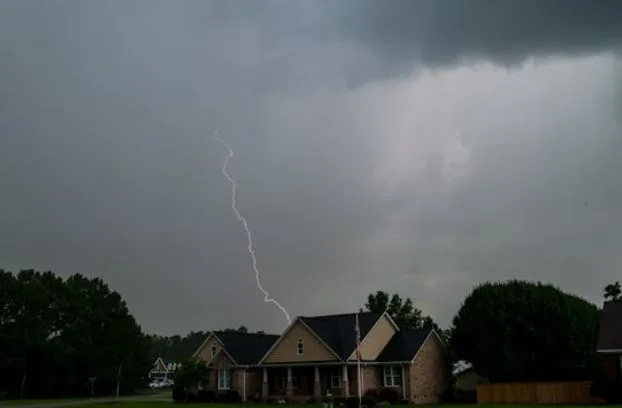
Storms often leave behind more damage than homeowners realize. Once the rain stops and the debris gets cleared away, many people assume their homes made it through without serious problems. The trouble is that storm damage does not always show up right away. A roof can look normal from the driveway while moisture slowly spreads underneath shingles or inside the attic. Gutters may still hang in place while hidden cracks prevent proper drainage. Small issues like lifted flashing or damaged siding can quietly lead to mold, wood rot, and expensive repairs over time. Many homeowners discover these problems weeks later after water stains appear indoors or insulation starts failing. Knowing what to look for after a storm can help you catch damage early and avoid larger repair costs later.
Wind Damage Leaves Weak Spots Behind
Strong winds do more than remove shingles from a roof. In many cases, the damage starts when wind lifts shingles just enough to weaken the adhesive underneath. The shingles may settle back into place afterward, making the roof appear fine from the street. Over time, those loosened areas allow rainwater to move underneath the roofing material. Moisture then reaches the underlayment and wood decking below. Homeowners sometimes notice signs weeks later when dark spots appear on ceilings or attic insulation feels damp. Wind can also loosen flashing around chimneys and vents without creating immediate leaks. An experienced roofer can identify these weak points before they turn into major problems. Early inspections often prevent structural repairs that become much more expensive later.
Hail Damage Gets Worse Over Time
Hail damage can look minor at first, especially after smaller storms. Many homeowners expect to see large holes or broken shingles, but most hail damage starts as small surface impacts. Those impacts knock protective granules off asphalt shingles and expose the material underneath to heat, sunlight, and moisture. The roof slowly weakens long after the storm passes. Hail can also dent flashing, gutters, vents, and skylight frames. Some dents seem cosmetic but still affect how water drains off the roof. Once moisture starts collecting in damaged areas, leaks become more likely during future storms. Homeowners who ignore hail damage often shorten the lifespan of their roofing system without realizing it. A detailed inspection helps uncover issues that are difficult to spot from the ground.
Water Travels Far From the Original Leak
One of the biggest challenges with storm damage is that water rarely stays where it enters the home. A small opening near the roofline can send moisture into insulation, rafters, and wall cavities before any visible stain appears indoors. Homeowners sometimes notice a ceiling spot and assume the leak sits directly above it, but water often travels several feet before becoming visible. This delay makes storm damage difficult to trace without a full inspection. Damp insulation also loses its ability to regulate indoor temperatures properly, which can raise heating and cooling costs over time. If moisture remains trapped, mold growth may begin inside dark areas with limited airflow. Checking the attic after a major storm can help homeowners spot hidden moisture before serious interior damage develops.
Small Siding Problems Let Moisture In
Storm damage does not stop at the roof. Siding often takes a heavy impact during strong winds and rain, especially on the sides of the home that face the storm directly. Wind can loosen panels, crack corners, or create small gaps where water slips behind the exterior surface. Homeowners may not notice the problem immediately because the siding still looks mostly intact from a distance. Once moisture gets trapped underneath, it can affect the wood framing and insulation behind the walls. Some signs appear slowly, including warped panels, bubbling paint, or musty smells indoors. Vinyl siding may also pull away slightly after high winds, exposing seams around windows and doors. A close exterior inspection after severe weather helps catch these issues before moisture spreads deeper into the structure.
Flashing Problems Often Stay Hidden
Flashing protects some of the most vulnerable areas of a roof, including chimneys, skylights, vents, and roof edges. During storms, strong winds and heavy rain can loosen flashing or bend it slightly out of position. These small shifts often create openings where water enters the home slowly over time. Because flashing sits beneath shingles or around roof penetrations, homeowners rarely notice damage from the ground. Many roof leaks start in these areas long before stains appear indoors. Water may collect around wood framing or insulation for weeks before becoming visible inside the house. Rust marks near metal flashing or damp spots in the attic can point to a developing issue. Inspecting flashing after major storms helps prevent long-term moisture damage that becomes harder and more expensive to repair later.
Trees Can Cause More Damage Than Expected
Trees protect homes from heat and improve curb appeal, but storms can quickly turn nearby branches into a problem. Even smaller limbs can scrape roofing materials during high winds and remove protective granules from shingles. Larger branches may damage gutters, flashing, siding, or windows without fully falling onto the house. Some homeowners only focus on visible impact areas and miss the smaller damage caused by repeated contact during storms. Wet soil after heavy rainfall can also weaken tree roots, increasing the chance of falling limbs during future weather events. Branches hanging over the roof create extra risk because they trap moisture and drop debris into gutters. Trimming trees regularly and removing weak limbs before storm season can reduce damage and help protect the exterior of the home year-round.
A Smart Post-Storm Inspection Routine
A careful inspection after every major storm helps homeowners spot problems before they become serious. Start with a visual check from the ground and look for missing shingles, bent gutters, loose siding, or debris buildup around the roofline. Inside the home, check ceilings and attic spaces for water stains, damp insulation, or musty smells. Pay attention to areas around vents, skylights, and chimneys because leaks often begin there first. Gutters should drain properly during the next rainfall without overflowing near the foundation. Homeowners should avoid climbing onto the roof after storms because wet surfaces and hidden damage create safety risks. Professional inspections provide a closer look at areas that are difficult to see from below. Catching small problems early helps prevent larger repairs and protects the home long-term.
Storm damage often stays hidden long after the weather improves. Small issues around roofing materials, flashing, gutters, siding, and attic spaces can slowly turn into serious repairs when homeowners miss the warning signs. Water damage spreads quietly, and many problems do not become visible until moisture reaches interior walls or ceilings. Regular inspections after major storms help homeowners find weak spots early and avoid unnecessary repair costs later. Paying attention to subtle changes around the home can make a major difference in protecting the structure over time. Even when everything looks normal from the outside, hidden storm damage may still exist underneath the surface. A thorough inspection and quick repairs help keep the home safer, drier, and more reliable through future storms.