The Ultimate Buyer’s Guide to London Interior Design Studios
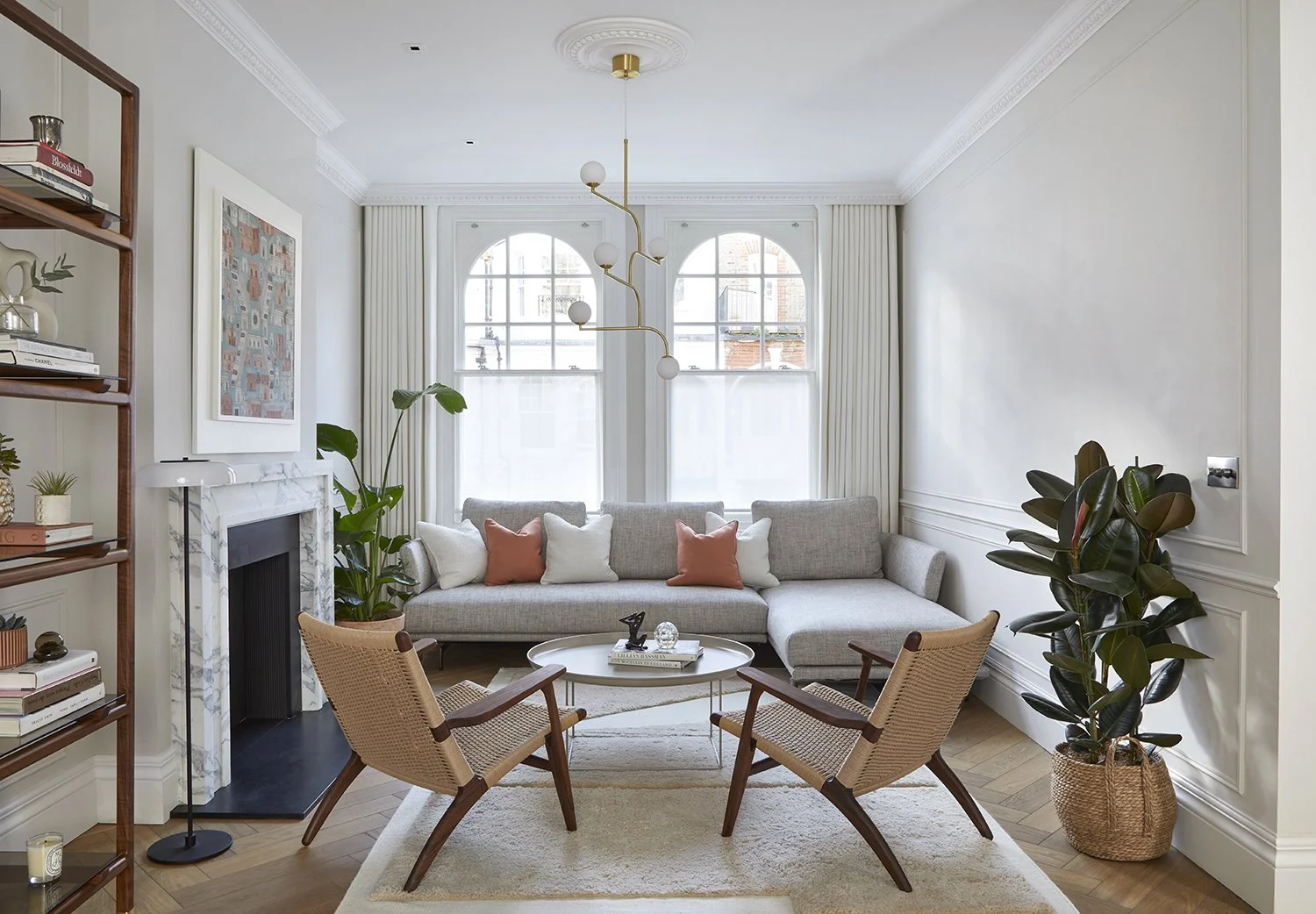
Choosing the right design partner can shape how you live, work, and welcome people into a space. Whether you are planning a private home renovation, fitting out a workplace, upgrading a retail setting, or rethinking a hospitality environment, the design studio you choose will influence the final look, feel, function, and value of the project for years to come.
London is one of the world’s most dynamic design capitals. It is home to period townhouses, warehouse conversions, listed buildings, new build developments, boutique retail spaces, private clinics, offices, restaurants, and hybrid commercial environments. That variety is exciting, but it also means choosing a studio is not always straightforward. Some firms excel in high end residential work but are less experienced in commercial design. Others are strong on branding and visual impact but weaker on technical planning, project flow, or long term usability.
This guide is designed to help buyers make a confident, informed decision. It explains what a design studio actually does, how to assess experience, what questions to ask before signing, what mistakes to avoid, and how to find a team that suits your goals, taste, budget, and timeline. If you are investing in a space that needs to work beautifully and practically, this is where to start.
Interior design is not only about visual appeal. Good design supports the way people move, think, collaborate, relax, buy, dine, focus, and feel. In a home, this may mean a layout that creates more calm, light, storage, and ease. In a business setting, it could mean improving customer experience, employee wellbeing, efficiency, brand perception, or flexibility. The best studios combine creativity with commercial and practical thinking.
London buyers are increasingly looking for studios that can bridge architecture, interior design, detailing, and project coordination. That joined up approach can reduce friction, improve clarity, and create spaces that feel fully considered rather than pieced together. If you are comparing options, you need more than a polished portfolio. You need a clear understanding of how a studio thinks, communicates, and delivers.
Why Design Matters for Homes and Business Spaces
People often start with finishes and style, but the strongest design decisions begin with purpose. Every space should support the people using it.
In homes, design has a direct impact on quality of life. A thoughtful scheme can improve natural light, increase storage, simplify routines, make family life smoother, and create a stronger sense of comfort and identity. It can also help a property perform better on the market by improving layout, finish quality, and perceived value.
In business environments, the effects are just as important. An office can support concentration and culture. A retail space can improve footfall, dwell time, and conversion. A restaurant interior can shape atmosphere and guest recall. A wellness or healthcare setting can build trust through calm, clarity, and ease of movement. Design influences perception long before someone reads a brochure or speaks to a member of staff.
A strong studio will understand that visual design and performance need to work together. Beautiful spaces that are impractical create frustration. Functional spaces with no identity feel forgettable. Buyers should look for a team that can achieve both.
What a London Interior Design Studio Actually Does
A professional studio does far more than choose colours, fabrics, or furniture. Depending on the scope, services may include concept development, space planning, joinery design, materials specification, furniture selection, lighting design, technical drawings, contractor coordination, procurement, styling, and site support.
Some studios also work closely with architects, planning consultants, structural engineers, and specialist makers. Others provide a more integrated service across architecture and interiors, which can be especially helpful if your project includes layout changes, extensions, reconfiguration, or structural work.
For both homes and business projects, this wider view matters. It allows the design to work as a complete system rather than a decorative layer added at the end. In Central London and surrounding neighbourhoods, where properties often come with planning constraints, access limitations, older building fabric, and premium budgets, detail and coordination are particularly important.
London Interior Design Studio for Homes and Business: What Buyers Should Prioritise
When choosing a london interior design studio for homes and business, focus on the real indicators of fit and delivery rather than surface level impressions alone.
Start with sector experience. Residential and commercial projects can overlap in style, but the decision making behind them is different. Homes are deeply personal and often evolve around routine, family needs, and long term comfort. Business spaces must also reflect operational flow, compliance, customer behaviour, and brand strategy. A studio that understands both worlds can be a strong option, but you should still ask for examples of projects comparable to yours.
Next, assess process. A strong studio should explain how they move from initial brief to final delivery. This includes discovery, concept, development, specification, coordination, and implementation. Good process does not restrict creativity. It supports it.
You should also evaluate communication. Projects run better when information is clear, timelines are realistic, and decisions are documented. If the early conversations feel vague or overly sales led, that may continue once the work begins.
Finally, consider whether the studio understands value beyond aesthetics. Great design is an investment. In homes, that value may be emotional, functional, and financial. In business, it may relate to customer experience, team performance, revenue opportunity, or brand credibility.
Key Signs of a Strong Residential Interior Design Team
When reviewing studios for a home project, look beyond the photographs. Ask what problems the project solved. Did the redesign improve flow, storage, light, privacy, or flexibility? Did the team create something tailored to the client’s lifestyle, or does every project look broadly the same?
A good residential studio will usually explore questions such as:
- How do you use each room day to day?
- What is not working in the current layout?
- Do you entertain often?
- Do you need more hidden storage?
- How should the home feel in the morning, evening, and weekend?
- Are there heritage details to retain?
- Is resale value part of the goal?
Residential design requires listening as much as styling. The right team should balance your preferences with ideas you may not have considered. They should be able to guide you on materials, durability, lighting mood, layout efficiency, and investment priorities without pushing a trend driven scheme that dates quickly.
What to Look for in a Commercial Interior Design Studio
Commercial interiors need to do more than look polished. They must support performance. Whether you are creating a showroom, office, hospitality venue, clinic, or multi use business setting, the space needs to serve staff, clients, visitors, and the wider brand.
A capable commercial design studio should think carefully about:
- Customer journey and first impressions
- Staff workflow and usability
- Brand alignment
- Durability and maintenance
- Compliance and accessibility
- Acoustics, lighting, and comfort
- Flexibility for future growth
- Cost control and long term value
For businesses, design decisions can affect productivity, sales, and reputation. A striking concept is not enough if it is hard to operate, maintain, or adapt. Ask how the studio balances visual identity with practical realities.
If you are reviewing case studies, look for evidence that they understand commercial outcomes, not just styling outcomes.
Keyword Variation: Interior Design Company in London for Residential Projects
When searching for the right partner, buyers often compare terms like interior design company in London, residential interior design studio, architectural interiors firm, or home renovation designer. These terms are useful, but the important thing is to understand the service behind the label.
A residential focused studio should bring together design thinking, technical knowledge, and sensitivity to how people live. That may include bespoke joinery, kitchen and bathroom planning, furniture layouts, finish schedules, and close coordination with builders or architects.
The strongest studios will also help you avoid common home project mistakes, such as overfilling rooms, underestimating storage, neglecting lighting, or choosing finishes that look attractive but wear badly in everyday use.
Keyword Variation: Commercial Interior Design Services in London
For business owners, common search terms include commercial interior design services in London, office design studio, retail interior designers, or hospitality interior specialists. Again, the label matters less than the capability.
Commercial design should begin with business goals. Do you want to attract a premium audience? Improve staff experience? Make a compact space feel larger? Support faster service? Communicate a new brand direction? The design brief should connect directly to those aims.
Studios that understand commercial interiors will often ask about audience, operations, maintenance, staff needs, and future scalability. They will also be more comfortable coordinating with consultants, contractors, and suppliers under tighter timelines.
How to Review a Portfolio Properly
A portfolio is useful, but many buyers review it too quickly. It is easy to be drawn to beautiful images without understanding whether the studio is right for your project.
Look at the following:
Range
Does the studio show variety in property type, spatial challenges, and design response, or does everything feel stylistically repetitive?
Depth
Are there enough images or details to show how spaces actually function, or only a few polished hero shots?
Relevance
Have they worked on projects similar in size, complexity, building type, or use case to yours?
Detailing
Can you see evidence of thoughtful materials, lighting, joinery, flow, and finish consistency?
Personality
Does the work feel tailored to each project, or does the studio apply one house style regardless of context?
You should also ask whether a project was concept only, partial design support, or fully delivered. That context makes a big difference.
Questions to Ask Before Hiring a Studio
The interview stage matters. A good studio should welcome detailed questions. Here are some of the most useful ones:
- What types of homes or business spaces do you specialise in?
- Have you worked on projects similar to mine?
- What is your design process from start to finish?
- What is included in your fee, and what sits outside it?
- Do you provide technical drawings and specifications?
- How do you coordinate with contractors and consultants?
- How do you manage revisions and decision making?
- What are the likely timelines for design and implementation?
- How do you approach budget planning?
- How involved will I need to be during the project?
You are not only testing expertise. You are testing compatibility. Design projects often last months and involve many decisions. The relationship needs trust, structure, and good communication.
Red Flags Buyers Should Not Ignore
There are a few warning signs worth taking seriously.
One is vague pricing. A studio does not need to quote everything instantly, but they should explain their charging structure clearly. Another is weak process. If there is no defined route from brief to delivery, costs and timelines can drift.
Be cautious if a studio talks more about trends than about your needs. Good designers have a point of view, but they should still begin with the client, the building, and the purpose of the space.
Another red flag is poor listening. If your early meetings feel rushed, overly generic, or one sided, that is unlikely to improve under pressure.
Finally, be wary of portfolios with no depth, no real project information, and no sense of problem solving. Design is not just presentation. It is decision making.
Understanding Budgets Without Guesswork
Budget is one of the biggest concerns for both residential and commercial clients. Many buyers either underestimate costs or assume a higher design fee always means better work. In reality, value comes from clarity, planning, and the ability to make strong decisions.
A design budget may include:
- Design fees
- Measured surveys
- Technical drawings
- Consultant input
- Contractor costs
- Materials and finishes
- Furniture and lighting
- Bespoke joinery
- Styling and accessories
- Delivery, installation, and contingency
A well run studio should help you understand where to invest and where to stay practical. For example, in a home you may choose to prioritise kitchen joinery, lighting, and flooring while phasing loose furniture later. In a business, you may focus spending on customer facing areas, layout efficiency, and durable finishes.
Clear budgeting does not remove flexibility. It helps you make informed trade offs rather than reactive compromises.
Why Integrated Architecture and Interior Design Can Be a Smart Choice
Many London projects sit at the intersection of architecture and interiors. This is especially true when layouts need to change, structural elements must be considered, or you want the finished space to feel cohesive from shell to detail.
An integrated design approach can improve coordination, reduce duplicated decisions, and create stronger overall results. It helps ensure that circulation, proportion, light, materials, and detailing work together from the start.
This can be especially valuable in older London properties, where period features, planning considerations, and hidden site conditions all need careful handling. It can also help business owners who want a more strategic, joined up process rather than managing separate creative and technical teams.
If you are looking for architecture and interior design in London, you may want to explore this london design studio to see how an integrated approach can support both homes and business environments.
Sustainability, Longevity, and Practical Design Choices
Buyers are increasingly asking for sustainable design, but this should be approached thoughtfully rather than as a buzzword. Good design is often sustainable when it values longevity, adaptability, and quality over short lived trends.
Ask studios how they think about:
- Durable materials
- Reuse of existing elements
- Energy conscious choices
- Timeless detailing
- Local sourcing where possible
- Low maintenance specifications
- Flexible layouts that can evolve over time
In both homes and business spaces, a longer term view usually leads to better results. A scheme that still feels relevant and functions well five or ten years later is often better value than one driven by novelty.
For broader context on the discipline itself, you can also see this overview of interior design.
Choosing a Studio That Fits Your Style Without Copying Trends
Many buyers struggle to explain what they want. They may save images online, refer to styles loosely, or feel torn between timelessness and personality. A good studio will help translate taste into a coherent design language.
That does not mean copying a trend or reproducing another project. It means identifying the ingredients that matter to you, such as warmth, structure, softness, contrast, natural materials, calm, drama, formality, or flexibility.
The best studios do not impose a fashionable look on every client. Instead, they interpret the brief in a way that suits the building, the function, and the people using the space.
When speaking to prospective studios, notice whether they ask thoughtful questions about atmosphere and experience. These conversations often reveal more than discussions about style labels.
Timeline Expectations for Homes and Business Projects
Most design projects take longer than buyers hope, especially when approvals, custom items, site constraints, or contractor schedules are involved. A realistic studio will give you a phased timeline rather than a vague promise.
Typical phases may include:
- Initial consultation and brief
- Site survey and information gathering
- Concept design
- Design development
- Technical documentation
- Pricing and procurement
- Site works
- Installation and final styling
Commercial timelines may be tighter, especially if operational deadlines are involved. Residential timelines may stretch because of planning, listed building approvals, or bespoke joinery lead times. Either way, clarity is essential.
Studios that build realistic programmes from the outset are usually easier to work with than those that overpromise.
How to Make the Final Decision
Once you have reviewed a few options, the final choice often comes down to a mix of capability, chemistry, and confidence.
Ask yourself:
- Do they understand my goals clearly?
- Have they handled comparable projects well?
- Does their process feel structured and transparent?
- Can they balance creativity with practicality?
- Do I trust them to guide important decisions?
- Does their communication style suit me or my team?
- Can they explain value, not just visuals?
The right studio should make the project feel more focused, not more confusing. They should challenge you where useful, listen closely, and give you confidence that the finished result will not only look good in photographs but also work beautifully in real life.
Final Thoughts
Choosing a design partner in London is a significant decision, whether you are renovating a private residence, opening a business, or upgrading a commercial setting. The most successful projects are rarely the result of good taste alone. They come from strong collaboration, clear strategy, technical understanding, and a genuine grasp of how people use space.
A buyer’s guide is helpful because it shifts the decision from pure instinct to informed judgement. Instead of choosing the studio with the most polished Instagram feed or the trendiest mood boards, you can assess who is best equipped to deliver your goals.
The right team will understand the context of your building, the realities of your budget, the demands of your timeline, and the importance of creating spaces with lasting value. In a city as layered and design conscious as London, that level of care matters.
Take your time, ask better questions, and look for a studio that combines creative strength with practical intelligence. Whether your project is personal, commercial, or somewhere in between, the right choice at the start can transform the whole experience.
FAQs
1. How do I choose between a residential and commercial interior design studio?
Start by looking at the type of project you have. If your scheme is for a private home, choose a studio with strong residential experience and a clear understanding of lifestyle, storage, comfort, and long term liveability. If your project is for a business, look for experience in customer flow, operations, branding, and compliance. Some studios can do both well, but you should always ask for relevant case studies.
- Is it better to hire a studio that offers both architecture and interior design?
In many cases, yes. If your project involves layout changes, structural work, extensions, or a full reconfiguration, an integrated approach can improve coordination and create a more cohesive result. It can also reduce the risk of design decisions being made in isolation.
- How much should I budget for a London interior design project?
The answer depends on size, scope, level of finish, and whether works are decorative, structural, or fully bespoke. Beyond design fees, buyers should also account for contractor costs, materials, furniture, lighting, joinery, and contingency. A good studio should help you understand realistic investment levels early on.
- What is the biggest mistake buyers make when choosing a design studio?
One of the most common mistakes is choosing purely on style. A visually strong portfolio is important, but it is not enough. Process, communication, technical ability, and project relevance matter just as much. Another common mistake is not asking enough questions about budget control and delivery.
- How early should I bring in an interior design studio?
Ideally, as early as possible. Involving a studio at the start allows them to shape the brief, identify opportunities, and avoid costly changes later. Early collaboration is especially valuable or renovations, business fit outs, and projects involving architecture and interiors together.