What Responsible Waste Removal Actually Looks Like Beyond Just Hiring a Bin
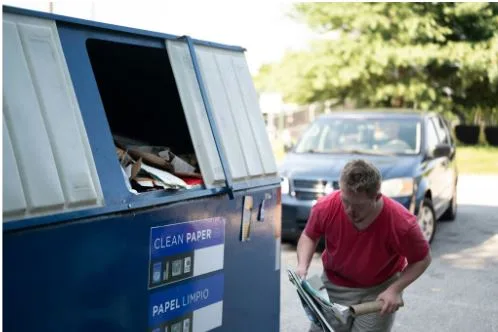
Most people think about waste removal as a problem that ends when the bin gets collected. The rubbish disappears, the project site clears, and attention moves back to whatever came next on the list. What actually happens between the collection and the final destination of that waste is a process most people have no visibility over and rarely think to ask about, which is exactly why it varies so significantly between providers and why that variation matters more than the bin hire decision itself in determining whether waste has been handled responsibly.
The skip bin industry in Sydney and across Australia has providers operating across a wide spectrum of environmental accountability. Some run EPA-licensed facilities that sort, process, and recover a significant proportion of collected material before anything reaches landfill. Others send mixed loads directly to disposal without meaningful processing. The bin looks the same from the outside in both cases. What it contributes to is very different, and the person who hired it rarely knows which outcome their booking produced.
Where Most Waste Actually Ends Up and Why It Matters
The assumption that skip bin waste goes directly to landfill is outdated for the better providers in the market and still accurate for some of the worse ones. The difference between those two categories is not visible at the point of booking and rarely comes up in a price comparison, which is why most people making a skip bin decision have no idea which category their chosen provider falls into.
Responsible waste processing involves more than loading collected material onto a truck and driving it somewhere. It involves taking that material to a licensed facility where it’s sorted, separated, and processed to recover everything that can be reused or recycled before the remainder is sent to landfill. The proportion of waste that can be recovered through that process from a typical residential or construction load is significant, and the difference between a provider who does that work and one who doesn’t is measured in tonnes of material either recovered or permanently disposed of.
That difference matters at scale in ways it doesn’t always feel like it does at the individual booking level. A single skip bin hire produces a modest environmental outcome either way. Millions of skip bin hires across Sydney and Australia every year produce an outcome that is either meaningfully contributing to waste diversion or compounding a landfill problem that is already significant.
What Waste Separation at the Source Actually Achieves
The most effective thing a homeowner or project manager can do to improve the environmental outcome of their waste removal is separate different material types before they go into the bin rather than mixing everything together and leaving the processing entirely to the provider.
Mixed loads are harder and more expensive to sort at the processing end, which means a lower proportion of the material gets recovered and a higher proportion goes to landfill than a cleaner, separated load would produce. Keeping concrete and bricks separate from timber. Keeping metal separate from general waste. Keeping green waste separate from construction debris. Each of these separations produces a cleaner load that recovers more at the processing stage.
For homeowners using skip bin hire Sydney as part of a renovation or clean-up project, maintaining separate containers for different material types where the project volume justifies it produces meaningfully better environmental outcomes than a single mixed bin, and it sometimes produces cost benefits too, because separated loads of specific materials can often be processed at lower rates than mixed loads that require more intensive sorting.
The Regulatory Framework That Governs Waste Handling
EPA licensing is the baseline regulatory requirement for waste processing facilities in New South Wales, and it exists because waste handling without appropriate controls produces environmental outcomes that affect communities beyond the immediate project generating the waste. Contaminated leachate from poorly managed landfill, illegal dumping of materials that should be processed through licensed channels, and the release of hazardous materials into the environment are all outcomes that the licensing framework exists to prevent.
For the people hiring skip bins, the practical implication of that framework is that a provider operating under genuine EPA licensing is subject to ongoing regulatory oversight that an unlicensed or inadequately licensed operator is not. That oversight creates accountability for how waste is actually handled rather than how it’s described in marketing material, and it’s verifiable rather than assumed.
Council compliance adds another layer of accountability for providers operating across different local government areas. A provider who understands and meets the permit requirements, placement regulations, and waste handling standards of the councils they service is one whose operations are integrated into the regulatory environment rather than working around it, and that integration produces a more reliable and consistent service than one operating at the margins of what’s permitted.
What to Look for in a Provider Who Takes Responsibility Seriously
The markers of a waste removal provider whose environmental and compliance commitments are genuine rather than surface level are specific enough to check before a booking is confirmed. An EPA-licensed processing facility is the most important credential, and it’s worth asking specifically rather than assuming its presence from general sustainability language on a website.
Documented recycling outcomes, meaning actual data on what proportion of collected waste is diverted from landfill, are a more meaningful indicator of environmental performance than general claims about being green or eco-friendly. A provider who can answer that question with a specific figure is one whose recycling outcomes are measured and managed. One who responds with general language about commitment to sustainability is one whose performance in that area may not be as strong as the language suggests.
Public liability insurance and council compliance documentation are the practical credentials that protect the person hiring the bin from the compliance risk that an unverified provider carries. Asking for confirmation of those credentials before booking takes minutes and removes a source of uncertainty that isn’t worth carrying into a project that already has enough variables to manage.
Why the Choices Add Up to Something
The individual decision to hire a skip bin from a provider who handles waste responsibly rather than one who doesn’t feels like a small choice at the time of booking. It is a small choice. But it’s a choice that a significant number of Sydney homeowners, builders, and businesses make every day, and the cumulative effect of those choices across the market determines how much of the waste generated by the city’s constant activity of renovation, construction, and clean-up gets recovered and reused rather than permanently disposed of.
Responsible waste removal doesn’t require significant additional effort from the person generating the waste. It requires choosing a provider whose credentials are verifiable, understanding what happens to the waste after collection, and doing a small amount of separation at the source where the project allows it. The effort is modest. The outcome, compounded across enough individual decisions, is not.