How Does Extended Warranty Enhance Your Lawn Equipment Battery Performance?
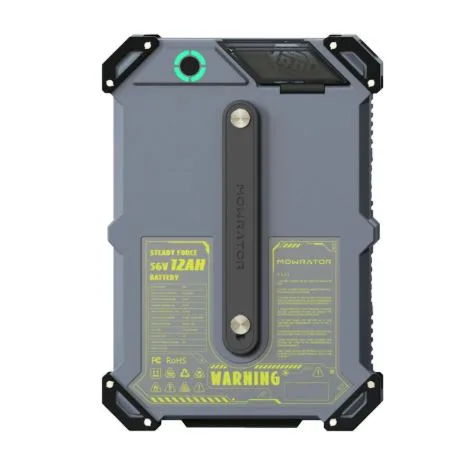
Few things derail a landscape professional’s schedule faster than a lawn equipment battery dying mid-job during the busiest weeks of spring or summer. When clients are lined up and crews are on the clock, a failing battery doesn’t just stall a mower—it stalls revenue. The lawn equipment battery sits at the heart of modern electric mowing operations, directly dictating how much ground a crew can cover and how reliably they can meet tight deadlines. Yet many professionals treat battery care as an afterthought until failure forces their hand. Extended warranty coverage offers a strategic, often overlooked approach to maintaining peak battery performance over the long haul. Rather than simply serving as a financial safety net, the right warranty program actively supports battery health through scheduled maintenance, timely replacements, and access to certified components. This article explores exactly how extended warranties enhance lawn equipment battery performance, and how pairing that coverage with purpose-built accessories creates a system designed for maximum mowing efficiency and minimal downtime.
The Foundation: Understanding Lawn Equipment Battery Performance
A lawn equipment battery doesn’t simply store energy—it governs the rhythm of an entire mowing operation. For landscape professionals running electric mowers across multiple properties daily, understanding what drives battery performance is the first step toward protecting it. Three core factors determine how long a lawn mower battery delivers reliable power: charge cycles, operating temperature, and usage intensity. Every battery has a finite number of charge-discharge cycles before its capacity begins to degrade. Commercial crews that drain and recharge batteries multiple times per day accelerate this decline far faster than weekend residential users. Temperature compounds the problem; extreme heat during summer jobs increases internal resistance and speeds chemical degradation, while cold storage over winter can reduce available capacity when spring arrives. Usage patterns matter too—consistently running a battery at maximum discharge depth shortens its effective lifespan compared to partial, managed discharge cycles. When a lawn mower battery underperforms, the consequences ripple outward: mowing efficiency drops, crews spend more time swapping or charging packs, and job completion times stretch beyond schedule. For professionals whose reputation depends on punctuality and consistent cut quality, battery health isn’t a technical footnote—it’s a business-critical metric that directly affects revenue and client retention.
Key Factors Impacting Battery Longevity
In commercial settings, three controllable factors stand out. Proper charging discipline—using manufacturer-recommended chargers and avoiding overcharging—preserves cell integrity across hundreds of cycles. Storage conditions are equally vital; batteries kept in climate-controlled environments between jobs retain significantly more capacity season over season than those left in uninsulated trailers exposed to temperature swings. Finally, load management plays a decisive role. Running heavy-duty cutting decks through thick, overgrown turf places sustained high-current demands on cells, generating excess heat and accelerating wear. Professionals who rotate battery packs, match equipment loads to battery ratings, and avoid deep discharges below recommended thresholds consistently report longer service life and more predictable performance from their equipment.
Boosting Efficiency with Quality Accessories
Even the best lawn equipment battery will underperform if the surrounding system isn’t optimized to support it. This is where purpose-built accessories from brands like MOWRATOR become a force multiplier for landscape professionals seeking consistent, all-day power from their electric mowers. Smart chargers, battery monitoring systems, and optimized connection components work together to reduce unnecessary stress on battery cells while maximizing usable energy output. A smart charger, for instance, adjusts voltage and current delivery based on real-time cell condition, preventing the overcharging that silently degrades capacity over months of daily use. Battery monitors provide crews with live data on state of charge, temperature, and cycle count—information that transforms guesswork into informed decisions about when to swap packs or adjust workloads. For professionals managing multiple mowers across job sites, these accessories eliminate the inefficiencies that accumulate when batteries are charged haphazardly or run beyond safe discharge thresholds. The result is measurably improved mowing efficiency: more consistent blade speed, longer run times per charge, and fewer mid-job interruptions that throw schedules off track.
Top Accessories for Professional Use
MOWRATOR’s product lineup addresses the specific demands commercial operators face. Their intelligent charging stations detect individual cell imbalances and apply corrective balancing during each charge cycle, ensuring uniform degradation rather than premature failure of weaker cells. Inline battery monitors integrate directly with mower electrical systems, sending alerts to a crew leader’s phone when a pack approaches critical discharge levels—preventing the deep discharges that permanently reduce capacity. Heavy-duty wiring harnesses with corrosion-resistant terminals maintain low-resistance connections even after seasons of exposure to moisture, grass debris, and vibration. For operations running multiple battery packs, rotation management tools track cycle counts per pack, helping crews distribute wear evenly and predict replacement timing before failures occur on the job. Each accessory integrates seamlessly with standard lawn equipment battery configurations, requiring no proprietary modifications and fitting naturally into existing maintenance workflows.
The Value of Extended Warranty for Professional Equipment
An extended warranty on lawn equipment goes beyond the standard manufacturer guarantee—it’s a structured commitment to keeping professional-grade tools operating at their designed capacity long after the initial coverage expires. For landscape professionals, this distinction matters enormously. Standard warranties typically cover manufacturing defects for a limited window, often twelve months, leaving operators exposed to the gradual performance decline that batteries naturally experience under heavy commercial use. An extended warranty stretches that protection across the actual working lifespan of the equipment, covering degradation-related failures, capacity loss below specified thresholds, and component wear that accumulates through legitimate professional use. The financial calculus is straightforward: a single lawn equipment battery replacement mid-season can cost as much as several years of extended warranty premiums, and that replacement often comes with rush shipping fees, lost billable hours, and scrambled crew scheduling. Beyond cost savings, extended coverage delivers something harder to quantify but equally valuable—operational confidence. Crews dispatch to job sites knowing that if a battery drops below performance standards, the resolution pathway is already funded and defined. There’s no budget debate, no delayed purchasing approval, no improvised workaround that risks damaging other components.
Comparing Standard vs. Extended Warranty Coverage
Standard manufacturer warranties generally protect against defects in materials and workmanship for one to two years from purchase. They rarely cover capacity degradation, wear from normal commercial use, or failures resulting from environmental exposure—precisely the scenarios landscape professionals encounter most frequently. Extended warranties designed for commercial operators fill these gaps deliberately. Coverage periods typically extend to three or five years, aligning with the realistic service life expectations of a professional lawn mower battery under daily use. Many extended plans include battery replacements when capacity drops below a guaranteed percentage of original rating, labor costs for diagnostic testing and installation, and even coverage for associated electrical components damaged by a failing cell. Some programs bundle scheduled maintenance visits into the warranty terms, ensuring batteries receive professional inspection at intervals calibrated to commercial duty cycles rather than residential assumptions. For landscape businesses managing fleets of electric mowers, this difference translates directly into predictable operating budgets, fewer emergency expenditures, and equipment that consistently performs to the standard clients expect throughout multi-year service contracts.
How Extended Warranty Directly Enhances Battery Performance
The connection between extended warranty coverage and actual lawn equipment battery performance is more direct than most professionals realize. Warranties don’t just pay for replacements after failure—the best programs actively prevent degradation through structured interventions that keep batteries operating closer to their original specifications. The first mechanism is scheduled maintenance. Many extended warranty plans mandate or incentivize periodic battery inspections, typically every six months or aligned with seasonal transitions. During these checks, technicians measure cell voltages, test internal resistance, and identify early signs of imbalance or swelling before they cascade into full failure. Catching a weak cell early and replacing it preserves the entire pack’s performance rather than allowing one degraded cell to drag down output across every mowing session. The second mechanism is guaranteed access to genuine replacement parts. When a warranty covers component swaps, operators receive manufacturer-certified cells matched to their equipment’s electrical profile—not aftermarket substitutes with uncertain chemistry or inconsistent quality. This ensures that every replacement maintains the power delivery curve the mower was engineered around, preserving consistent blade speed and mowing efficiency across the full discharge range. The third mechanism is the replacement threshold itself. Extended warranties that trigger action when capacity drops below a defined percentage—often eighty percent of original rating—mean professionals never unknowingly operate with a battery that’s quietly costing them productivity through shorter run times and reduced torque.
Case Study: Warranty-Driven Maintenance for Peak Performance
Consider a mid-sized landscaping company running a fleet of eight electric mowers across residential and commercial contracts. Without extended coverage, their typical pattern involved running batteries until noticeable performance drops—usually around eighteen months—then scrambling to source replacements during peak season when suppliers face backorders. Crews compensated by carrying extra packs, adding weight to trailers and complicating logistics. After enrolling their fleet in an extended warranty program with built-in maintenance intervals, the operation shifted fundamentally. Scheduled inspections at the start of spring and mid-summer caught two packs with early cell imbalance issues that would have failed within weeks. Both were rebalanced under warranty at no additional cost, restoring them to full working capacity. Over three seasons, the company reported a forty percent reduction in unplanned battery replacements, and crew leaders noted more consistent cut quality through the final hours of long mowing days—a direct result of batteries maintaining higher average charge levels throughout their service life. The warranty didn’t just save money on parts; it eliminated the cascading disruptions that battery failure creates when every hour of daylight counts.
Practical Steps for Landscape Professionals: Maximizing Warranty and Accessories
Knowing that extended warranties and quality accessories improve lawn equipment battery performance is one thing—putting that knowledge into a repeatable system is what separates thriving landscape operations from reactive ones. The professionals who extract the most value from their equipment treat warranty selection, accessory integration, and maintenance compliance as a unified strategy rather than three separate tasks. Starting with warranty research before purchasing new equipment ensures coverage terms align with actual commercial duty cycles, not residential assumptions that underestimate daily wear. Once coverage is secured, layering in accessories like battery monitors and intelligent chargers creates a feedback loop: the accessories generate the performance data that supports warranty claims, while the warranty guarantees that flagged issues get resolved before they escalate into costly failures. Maintaining disciplined documentation ties the entire system together. Logging charge cycles, recording inspection results, and saving maintenance receipts builds an airtight service history that accelerates claim processing and demonstrates compliance with warranty terms. For landscape professionals managing multiple crews and mower fleets, this structured approach transforms battery management from a recurring headache into a predictable, budgetable line item that protects mowing efficiency season after season.
Step-by-Step Implementation Guide
Start by auditing your current fleet’s battery age, cycle counts, and remaining manufacturer warranty periods to identify coverage gaps. When evaluating extended warranty options, prioritize plans that explicitly cover capacity degradation thresholds, include scheduled maintenance visits, and guarantee access to genuine replacement components—not just defect protection. Next, equip each mower with an inline battery monitor so crew leaders can track real-time state of charge and temperature data across every unit in the field. Pair these monitors with intelligent charging stations at your base of operations to ensure every pack receives balanced, condition-responsive charging overnight. Establish a maintenance calendar that aligns with your warranty’s required inspection intervals, typically at spring startup and mid-season, and assign a team member to coordinate technician visits and document results. Create a simple digital log for each battery pack that records purchase date, cycle count milestones, inspection findings, and any warranty service performed. This record not only streamlines future claims but also reveals fleet-wide trends—like which job sites or mower models consume battery life fastest—enabling smarter equipment allocation decisions that extend overall fleet longevity.
Building a Proactive Battery Management Strategy for Long-Term Success
Extended warranty coverage does far more than cushion the financial blow of a failed lawn equipment battery—it actively sustains the performance that landscape professionals depend on every working day. Through scheduled maintenance interventions, guaranteed access to genuine replacement components, and defined capacity thresholds that trigger action before productivity suffers, the right warranty program keeps batteries operating closer to factory specifications across their entire service life. When paired with well-designed accessories like intelligent chargers, inline battery monitors, and rotation management tools, this coverage becomes part of a comprehensive system that protects mowing efficiency from the inside out. The result for landscape professionals is fewer emergency replacements, more predictable operating costs, and crews that finish jobs on schedule with consistent cut quality from the first property to the last. Investing in extended warranty protection and purpose-built accessories isn’t an added expense—it’s the operational infrastructure that separates businesses reacting to equipment failures from those that have already planned past them. Evaluate your fleet’s coverage gaps today, integrate the monitoring tools that make warranty compliance effortless, and build the kind of battery management system that keeps your operation running at full capacity season after season.