How Counter-Strike 1.6 Shaped Esports in Eastern Europe
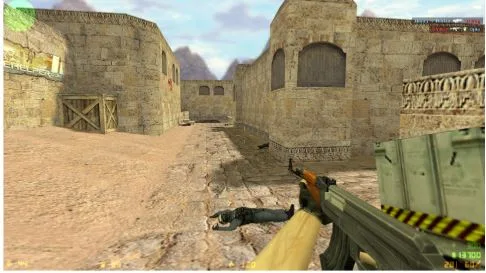
You remember those grainy LAN parties in smoke-filled basements, the clack of mechanical keyboards echoing like gunfire, and the pure adrenaline of clutching a 1v3 on de_dust2? That’s the chaotic magic of Counter-Strike 1.6, the game that didn’t just entertain – it ignited an esports revolution in Eastern Europe.
Back in the early 2000s, while the West chased flashy new titles, you and your crew in Kyiv, Warsaw, or Moscow were grinding CS 1.6 on pirated copies in dingy internet cafes. Low specs? No problem – a 500MHz rig and 96MB RAM got you into the fray. Those warnet-style hubs became breeding grounds for talent, where clans formed over cheap cigarettes and energy drinks, turning casual frags into professional dreams.
The underground explosion
Picture this: Russia’s vast expanses, Ukraine’s bustling cities, Poland’s competitive fire – all united by one addictive mod. CS 1.6 exploded because it was free in the East, pirated versions spreading like wildfire. You didn’t need a high-end PC; you needed skill, ping under 50, and mates who wouldn’t choke on a smoke toss. In many countries there are still CS 1.6 communities where tournaments are still held.
Local scenes thrived on grassroots tournaments. In the CIS region, CPL-inspired events like CPL CIS drew hundreds, with teams stacking five deep for glory. Poland’s cafes hosted endless qualifiers, Ukraine’s Arbalet Cup turned pros into household names, and Russia’s relentless grinders filled Moscow arenas. This wasn’t polished pro play yet – it was raw, legendary chaos where a single wallbang could flip a round.
You practiced bhopping across Aztec for hours, perfecting pre fires on Nuke ramps. That grind built unbreakable fundamentals, setting the stage for global domination.
Ukraine’s invincible navi dynasty
If CS 1.6 had a heart in Eastern Europe, it beat in Kyiv with Natus Vincere. Founded in 2009 by Arbalet boss Murat Zhumashevich, Na’Vi’s “Born to Win” roster – starix (IGL genius), markeloff (the ultimate AWPer), Edward (dirty-work rifler), Zeus (anchor god), and seized – stormed 2010 like a full-site rush.
They pulled off the impossible treble: IEM Season IV (smashing fnatic in the final), ESWC, and WCG – all in one year. Guinness even certified it as a record. Markeloff’s quickscopes became myth; you’d watch him one-tap heads through smokes, leaving Swedes and Germans in the dust. By year’s end, four Na’Vi stars cracked HLTV’s top 20.
Na’Vi raked in over $200k from 16 events, including Arbalet Ukraine, Dallas, and DreamHack Winter. They hosted IEM in Kyiv, putting Ukraine on the map. You felt it – Eastern Europe wasn’t just playing; we were winning.
| Na’Vi’s 2010 Rampage | Prize Pool | Opponents Crushed |
| IEM IV Global Final | $40,000 | fnatic (Sweden) |
| ESWC 2010 | $30,000 | SK Gaming (Germany) |
| WCG 2010 | $20,000 | mTw (Switzerland) |
This wasn’t luck. It was Ukraine proving CS 1.6’s high skill ceiling rewarded precision over flash.
Poland’s golden five unbreakable
Across the border, Poland forged its own dynasty with the “Golden Five” under ESC Gaming. NEO (rifle wizard), TaZ (IGL legend), pashaBiceps (entry clutch king), Loord, and LUq turned Warsaw into a fortress. These guys embodied Polish grit – endless rotates, perfect saves, and aces that echoed through arenas.
They snagged three WCG titles, two ESWC crowns, and two IEM World Championships in CS 1.6, dominating before transitioning to GO. ESC’s Polish squad bridged eras, with TaZ’s calls and NEO’s movement setting standards. Pasha’s demos? Pure theater – you’d rewind his 1v4 clutches for days.
Poland’s scene exploded with local leagues, feeding talents into globals. Virtus.pro (Polish powerhouse) echoed this, winning early cups like Intel Challenge Moscow 2007. You knew: mess with the Poles, get sprayed off the bombsite.
Russia’s iron-fisted contenders
Russia brought the volume – massive player pools from St. Petersburg to Siberia. Teams like forZe, Moscow Five, and CKRAS Gaming ground out top finishes. Moscow Five grabbed WCG 2011 bronze; CKRAS hit ESWC 2011 runner-up.
ESC Gaming (with Russian ties) clinched WCG 2011 gold. Virtus.pro’s early runs and players like Dosia (clutch master) laid foundations. Russia’s cafes hosted non-stop 5v5s, birthing snipers who’d no-scope you mid-peek. The grind was relentless – high ping? Adapt or frag out.
Tactics that conquered the world
Eastern Europe’s edge? Innovation under pressure. You mastered smokes on Inferno apartments before pros did, rushed B on Dust2 with boosts and drops. Wallbangs through Long A doors, prefires on Cache vents – these weren’t tricks; they were necessities in packed lobbies.
Clans drilled ecos to force opponent mistakes, turning deficits into aces. This tactical depth – born in Eastern chaos – influenced globals. Swedes copied your rotates; Germans envied your sprays.
The stars who lit the path
Here are the absolute legends who defined CS 1.6 in our part of the world. These guys weren’t just good – they were icons that inspired generations.
- NEO (Filip Kubski, Poland) The ultimate all-rounder and crown jewel of the Golden Five. Played for Team Pentagram, Meet Your Makers, Frag eXecutors, ESC Gaming. Insane movement, gamesense, aim – he rifled, AWPed, led. Many still call him the most complete player ever in 1.6.
- markeloff (Yegor Markelov, Ukraine) The sniper god of Na’Vi. Dominated 2010-2012 with quickscopes and positioning. Key to the triple crown – his AWP often decided maps single-handedly.
- Edward (Ioann Sukharev, Ukraine) Na’Vi’s aggressive rifler and entry fragger. Beast aim, fearless pushes. Longtime partner of markeloff – his mad frags kept teams honest.
- starix (Sergey Ischuk, Ukraine) Na’Vi’s IGL during the golden years. Tactical brain, clutch master. Calm under fire, always one step ahead in calls.
- Zeus (Danylo Teslenko, Ukraine) Charismatic leader and captain of Na’Vi peaks. Master motivator, strong strats. His drive turned good teams into legends.
- TaZ (Wiktor Wojtas, Poland) Golden Five leader and rifler monster. Played in Frag eXecutors, ESC Gaming. Aggressive style, huge clutches – backbone of Polish dominance.
- kuben (Jakub Gurczyński, Poland) Golden Five rifler. Known for consistency and aim duels. Star in AGAiN, Frag eXecutors, ESC – quiet killer who rarely dropped below top frags.
- Loord (Sebastian Świstek, Poland) Aggressive rifler from Golden Five era. Shone in AGAiN and early Virtus.pro roots. Explosive plays, great movement.
- pasha (Jarosław Jarząbkowski, Poland) Early CS 1.6 force in Polish scene (Golden Five ties). Raw power, later became biceps legend – started as beastly support/rifler.
- ceh9 (Arsenij Trinozhenko, Ukraine) Na’Vi’s aggressive entry and support. Fearless style, key in big wins. Underrated but crucial for team balance.
These players didn’t just win tournaments – they showed Eastern Europe could compete globally and win big..
A legacy etched in pixels
CS 1.6 didn’t just shape Eastern esports – it defined it. From cafe scraps to major stages, it built cultures of resilience, turning kids into millionaires. Poland’s crowds chant “Zibi!”; Ukraine’s Na’Vi bars pulse with nostalgia; Russia’s servers hum 24/7. Even today, 100k+ play CS 1.6 concurrent, proving its addictive pull.
You feel that pull, right? Dust off your AWP, install that classic Download Counter-Strike 1.6 free client, and hop into a public server. Link up with old clanmates, relive those clutches, and remind the world why Eastern Europe owns Counter-Strike’s soul. The rush awaits – frag on.