The Growing Market for Personalised Pet Products
Introduction
The pet industry has undergone a major transformation over the past decade. What was once a market focused primarily on essential goods like food, grooming supplies, and basic healthcare has now expanded into a highly emotional, lifestyle-driven economy. Today’s pet owners are not just buying products for utility they are investing in experiences, identity, and emotional connection.
As pets are increasingly viewed as family members rather than animals, spending patterns are shifting toward personalised and meaningful products. This change is reshaping the global pet market and opening new opportunities for brands that understand emotional consumer behaviour.
1. The Humanisation of Pets Is Reshaping Consumer Spending
One of the strongest forces behind the growth of personalised pet products is the ongoing “humanisation” of pets. In many households, pets are no longer seen as separate from the family structure they are treated as children, companions, and emotional support systems.
This shift directly influences purchasing decisions. Pet owners are more likely to spend on items that reflect personality, lifestyle, and emotional attachment rather than just functional needs. For example, instead of a standard collar or leash, consumers are now looking for customised designs that include names, unique patterns, or even meaningful symbols.
This behavioural change has elevated the pet industry from a basic care market into a premium lifestyle category.
2. Emotional Purchasing Is Driving the Trend
Emotional buying is a key factor behind the rise of personalised pet products. Unlike traditional shopping decisions that are based purely on price or necessity, emotional purchases are driven by sentiment, memory, and identity.
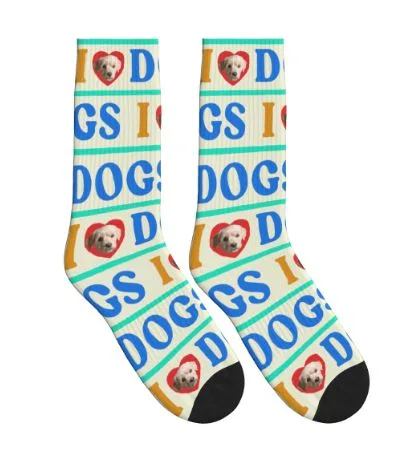
Pet owners often want products that represent their bond with their pets. A customised blanket with a pet’s name, a printed portrait, or a tailored accessory becomes more than just an item—it becomes a keepsake. These products carry emotional weight and often serve as reminders of companionship and affection.
This emotional connection encourages repeat purchases as well. Owners are not simply buying for functionality; they are buying for meaning. As a result, brands that can tap into this emotional space are seeing stronger customer loyalty and engagement.
3. Customisation Has Become an Expectation
What was once considered a luxury feature is now becoming a standard expectation. Personalisation is no longer limited to high-end or niche products. It is increasingly integrated into everyday pet items.
Modern consumers expect options such as engraved tags, custom colours, personalised packaging, and even AI-generated pet portraits. This expectation is being driven by broader digital trends, where personalisation has become the norm across industries—from streaming recommendations to customised shopping experiences.
In the pet market, this has led to a rapid expansion of product categories that support customisation. Brands are now offering modular designs, user-generated artwork options, and on-demand manufacturing to meet this growing demand.
4. Emerging Brands Reflect the Shift
The rise of niche and digitally native brands is a clear indicator of how the market is evolving. One example is WoofSocks.com, which reflects the growing demand for personalised pet-focused products that blend emotional value with everyday usability.
Brands like this are not just selling products they are selling experiences. By allowing customers to design, customise, and emotionally connect with what they buy, they are redefining the traditional pet retail model.
What makes these emerging brands successful is their ability to combine technology, creativity, and emotional storytelling. Social media also plays a major role, as pet owners frequently share personalised items online, turning them into organic marketing tools. This creates a cycle where visibility fuels demand, and demand fuels further innovation.
As a result, smaller and more agile brands are competing effectively with established pet industry players by focusing on personalisation and emotional engagement.
5. What This Means for the Future of the Pet Market
The long-term outlook for personalised pet products is highly promising. As consumer behaviour continues to shift toward emotional and experience-based spending, personalisation is expected to become a core feature of the pet industry rather than a niche segment.
Technology will play a significant role in this evolution. Advances in artificial intelligence, 3D printing, and on-demand manufacturing are making it easier and more affordable to produce customised pet products at scale. This will likely lead to even more innovative offerings, such as fully personalised pet apparel, interactive accessories, and data-driven product recommendations.
Additionally, sustainability may become an important factor. Consumers are increasingly aware of ethical production practices, and future personalised pet products may incorporate eco-friendly materials and responsible manufacturing processes.
Overall, the market is moving toward a model where individuality, emotional value, and sustainability intersect.
Conclusion
The growth of personalised pet products reflects a broader cultural shift in how people relate to their pets and their consumption habits. Pets are no longer viewed simply as companions they are central to emotional expression, identity, and lifestyle.
As this trend continues, brands that prioritise personalisation, emotional connection, and innovation will be best positioned to succeed. The success of platforms such as WoofSocks.com highlights how powerful this shift has become and signals that personalised pet products are not just a passing trend, but a lasting evolution in the global pet market.