Understanding Glass Support Columns: The Backbone of Safe Industrial Process Systems
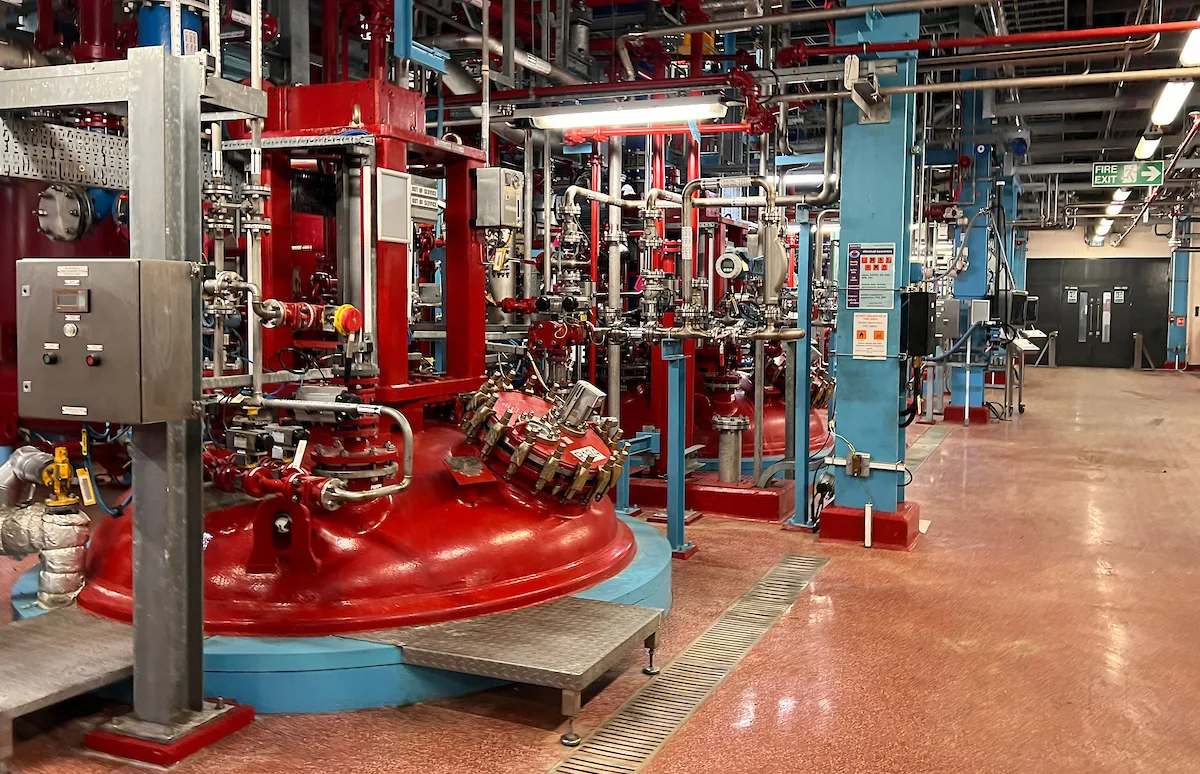
In industrial processing systems, every component must work together seamlessly to ensure optimum efficiency and safety. While reactors and distillation vessels are typically viewed as the primary components of these setups, specialised Glass column accessories are equally vital to operational success. Among these, a heavy-duty glass support column setup serves as the literal backbone of structural engineering when working with highly aggressive chemicals. These specialised systems absorb mechanical stress, manage heavy loads, and prevent catastrophic structural failures under conditions where contamination, corrosion, or extreme thermal shifts could compromise product quality.
What Are Glass Support Columns?
A glass support column refers to the heavy-duty, large-diameter Borosilicate 3.3 glass cylindrical structures used in industrial distillation, extraction, and absorption plants, as well as the strong structural frameworks that support them. Because industrial glassware cannot withstand uneven mechanical stress or localised torque, it is mounted within specialised frameworks constructed from stainless steel, galvanised steel, or polyurethane-coated materials.
These supporting systems are engineered specifically to provide exceptional resistance to heat, external impacts, and corrosive atmospheric vapours. They securely anchor massive glass process components, including industrial reactors, overhead condensers, packed columns, and intersecting glass pipelines.
Because Borosilicate glass is completely inert and transparent, it allows for unmatched product purity and clear visual monitoring. However, because glass lacks the ductility of metal, the surrounding support systems and Glass column accessories must provide the rigidity required to stabilise the entire plant configuration.
Importance of Support Columns in Industrial Systems
Industrial chemical processing frequently involves highly aggressive acids, shifting pressures, and exothermic reactions. In these demanding environments, a standard, unlined metallic structure will corrode over time from ambient chemical fumes, eventually degrading both the plant’s structural stability and the purity of the end product. Industrial glass column assemblies resolve these challenges by offering absolute chemical inertness paired with rugged structural backing.
One of the greatest operational advantages of an engineered glass structure column is the high degree of workplace safety it provides. Properly designed support frameworks minimise physical stress, vibration, and torque on the connected glass equipment, drastically reducing the risk of hairline fractures or sudden mechanical failure. This is critical in high-output sectors where even a minor micro-crack can lead to hazardous chemical leaks, expensive production downtime, or severe safety liabilities.
Furthermore, because these transparent columns allow operators to visually monitor reactions, phase separations, and fluid dynamics in real time, the supporting infrastructure is explicitly designed to keep sightlines clear, simplifying routine inspection and maintenance.
Key Features of Industrial Glass Support Systems
The operational efficiency of an industrial glass column system relies on several specialised engineering features:
- Uncompromising Chemical Resistance: Both the internal borosilicate glass columns and their specialised external supports are completely resistant to degradation by harsh acids, volatile solvents, and reactive halogens.
- Excellent Thermal Stability: Industrial processes subject glassware to sudden, extreme temperature deltas (thermal shock). High-grade Borosilicate 3.3 glass accommodates these rapid changes effortlessly and operates reliably across wide temperature ranges.
- Engineered Structural Load Capacity: While raw glass is inherently brittle, an industrial-grade glass system is structurally optimised for heavy-duty performance. The engineered support columns carry high fluid weights and operational pressures without shifting or bowing.
- Direct Visual Monitoring: The column’s transparency allows plant operators to inspect fluid movement, colour changes, and boiling characteristics directly, improving troubleshooting speed.
- Low Long-Term Maintenance: Because glass does not scale, rust, or corrode, these column assemblies require minimal upkeep, which translates directly to a lower Total Cost of Ownership (TCO).
Key Applications Across Industries
Glass support columns are utilised across multiple high-stakes sectors where process visibility and chemical purity are mandatory:
- Chemical Manufacturing: Chemical processing facilities regularly deploy these columns for fractional distillation, gas absorption, and washing operations involving highly corrosive compounds like boiling hydrochloric or sulfuric acid.
- Pharmaceutical Processing: The pharmaceutical industry operates under strict regulatory guidelines regarding cleanliness and cross-contamination. Inert glass support systems ensure that active pharmaceutical ingredients (APIs) never react with the vessel walls.
- Research & Development (Pilot Plants): Scale-up laboratories rely heavily on modular glass assemblies for experimental chemical synthesis, in which structural columns provide the configurational flexibility needed to vary test parameters.
- Petrochemical and Essential Oils: Isolating complex hydrocarbon fractions or delicate botanical oils requires precise temperature gradations along the column, which is made possible by well-insulated glass support setups.
Critical Factors When Selecting Glass Support Systems
Choosing the correct structural support setup requires a deep assessment of your specific chemical process data:
- Operating Temperature and Pressure Limits: The structural framing and underlying glass must meet your maximum operating limits, especially when running processes under deep-vacuum conditions.
- Mechanical Load and Distribution: The support column must be properly rated to handle the combined weight of the glass, internal packing (such as Raschig rings), and the liquid holdup at peak operation.
- Corrosive Environmental Exposure: For highly humid or acidic plant environments, stainless steel or specialised polyurethane coatings are necessary to protect the outer framework from atmospheric rust.
The Value of Precision Engineering
The overall reliability of a glass process plant depends directly on the manufacturing precision of its components. This is where partnering with an elite, experienced scientific glass fabricator becomes critical.
Leading specialised glass fabricators, such as Goel Scientific Glass Works Ltd., develop specialised glass equipment designed specifically for demanding operational environments. Utilising their deep experience in laboratory and industrial glass process systems, they provide custom scientific glass and quartz fabrication that offers tailor-made solutions for specialised applications. By delivering everything from precision-engineered, leak-proof fittings to complex assemblies such as Industrial Technical Packages (A turnkey project), Temperature Control Units, and heavy-duty columns, they serve as a trusted one-stop solution for high-performance research and process equipment.
Conclusion
As industrial processing methods become increasingly complex and quality-driven, the reliance on high-integrity glass support systems continues to rise. A strong glass support column setup remains an indispensable asset for securing the structural safety, process purity, and mechanical stability of modern chemical lines. By investing in precisely calculated columns and premium Glass column accessories, industrial plants can maximise their daily yields, safeguard their workforce, and ensure long-term operational continuity.