Nasdaq Futures Volatility Pushes Active Traders Toward Real-Time Analytics
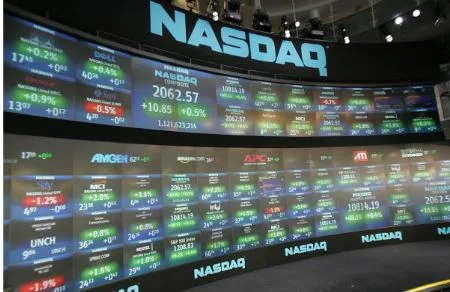
NEW YORK – Nasdaq futures traded in volatile ranges this week as investors reacted to rising Treasury yields, inflation concerns, and renewed pressure across major technology stocks.
E-mini Nasdaq-100 futures (NQ) experienced sharp intraday swings during multiple sessions as traders repositioned ahead of key economic data releases and Federal Reserve commentary. Market sentiment also remained sensitive to developments surrounding artificial intelligence valuations, semiconductor earnings, and geopolitical uncertainty tied to energy markets.
Nasdaq futures briefly moved lower earlier in the week as higher Treasury yields weighed on growth stocks, while chip-sector weakness added pressure to broader technology sentiment. Investors continued monitoring inflation expectations and interest-rate outlooks after recent market pricing shifted toward the possibility of tighter monetary policy conditions.
Trading activity later stabilized following declines in oil prices and renewed optimism surrounding large-cap technology earnings, including market anticipation ahead of Nvidia results. Nasdaq-100 futures rebounded during Wednesday trading as semiconductor shares recovered part of their recent losses.
The recent volatility has increased demand for faster market interpretation tools among active futures traders, particularly during high-volume U.S. trading hours.
Market participants say rapid price reversals in Nasdaq futures are forcing traders to focus more heavily on real-time execution and short-term liquidity analysis rather than relying exclusively on traditional lagging indicators.
“Markets are reacting almost instantly to macro headlines and yield movement,” one Chicago-based futures trader said. “A lot of traders are adapting by using faster analytics tied to order flow and market structure.”
Analysts say short-term Nasdaq futures traders are increasingly monitoring liquidity sweeps, volume imbalances, and intraday structure shifts as volatility compresses execution windows.
The shift has supported growing interest in advanced futures trading indicators designed for real-time chart analysis and execution-focused workflows. Trading technology providers focused on active futures markets are also reporting stronger demand for customizable analytics environments capable of adapting to rapidly changing market conditions.
The increased activity has become especially visible among proprietary trading firms and high-frequency intraday traders, where execution precision and reaction speed remain critical during volatile market sessions.
Recent economic data releases and fluctuating bond yields have continued driving larger intraday price movement across U.S. index futures markets. Analysts expect volatility to remain elevated in the near term as investors continue monitoring inflation trends, Federal Reserve policy expectations, and earnings performance within the technology sector.
Despite ongoing uncertainty, futures trading volumes have remained elevated as active traders continue seeking short-term opportunities within rapidly shifting Nasdaq market conditions.