Home Bar Design and Installation: A Practical Guide for UK Homes
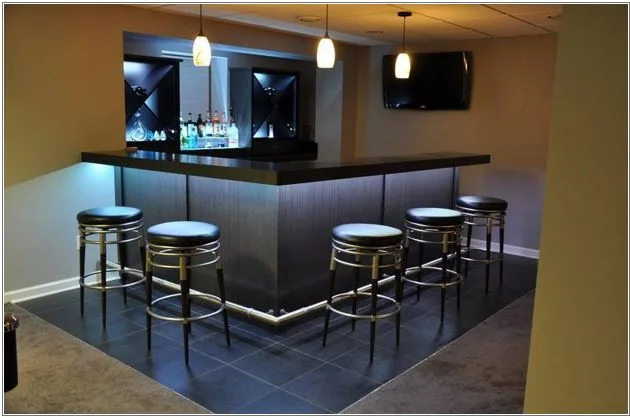
A home is a place where you feel warmth, comfort, and the ability to serve all those who visit you. For all that, you need a dedicated space for your guests. A Home bar is one such place where you serve drinks, often combining functional storage, seating, and style. Successful home bar installation depends on available space, the right home bar furniture, and thoughtful layout planning. Many homeowners choose bespoke solutions for a better fit, durability, and long-term usability.
Home bars have become increasingly popular in the UK as more people seek comfortable, social spaces in their own homes. Instead of relying solely on pubs or restaurants for entertainment, many homeowners are investing in indoor bar setups to host guests, relax after work, or create a stylish focal point at home.
Despite becoming a growing trend, people often question whether they are necessary and what makes them so special.
To help you answer all those popping questions in your mind, we have designed a practical guide on planning, designing, and installing a home bar that looks great and functions properly for everyday use.
- What Is a Home Bar and Why Are They Popular?
One of the very first questions that needs to be answered is: What are home bars? A home bar is a dedicated space for preparing and serving drinks, often used for entertaining guests or personal enjoyment.
Social and Lifestyle Benefits
A home bar creates a convenient social hub. Whether hosting friends, celebrating special occasions, or enjoying quiet evenings, it offers a comfortable entertainment space without leaving the house.
For many homeowners, a bar area also adds personality and style to the property. It can reflect modern, rustic, industrial, or luxury aesthetics depending on the design.
Indoor vs Man Cave Bar Setups
Some homeowners prefer compact indoor bars integrated into kitchens or living rooms, while others create larger man cave bar setups in garages, basements, or dedicated entertainment rooms.
Indoor bars typically blend with the existing décor, while man cave bars often prioritize entertainment features such as televisions, gaming areas, or themed interiors.
Increasing Popularity in UK Homes
The rise of home entertaining, combined with growing interest in personalized interiors, has contributed to the popularity of home bars across the UK. Smaller modern bar units are also making the concept more accessible for homes with limited space.
- How Do You Plan a Home Bar That Actually Works?
When planning your very own home bar, there are endless factors to consider. However, the main elements are listed below.
Measuring Available Space
Before purchasing furniture or designing layouts, carefully measure the available area. Even a compact corner can function effectively when planned properly.
Consider:
- Walking space
- Seating clearance
- Storage needs
- Access to electrical outlets
Accurate measurements prevent overcrowding and improve usability.
Choosing the Right Location
Popular home bar locations include:
- Living rooms
- Dining areas
- Garages
- Basements
- Spare rooms
The ideal location depends on how you intend to use the bar. Frequent entertaining may require a larger social space, while occasional personal use may suit a smaller setup.
Matching Design with Lifestyle Needs
A visually impressive bar is not always practical. Think about:
- Number of regular users
- Storage requirements
- Cleaning and maintenance
- Preferred drink preparation areas
Designing around daily use creates a more satisfying long-term setup.
- What Type of Home Bar Furniture Should You Choose?
Among many other details that require homeowners’ special attention, furniture holds a special place. Therefore, you need to be specific about what you choose, how you choose, and what design elements should be kept in view.
Free Standing Bar vs Built-In Bar
Free-standing bars are flexible and easier to move, making them suitable for renters or smaller spaces. Built-in bars, however, provide a more seamless and premium appearance.
When selecting home bar furniture, consider how permanent the installation needs to be.
Storage, Shelving, and Seating
Good bar furniture should combine style with functionality. Key furniture components include:
- Shelving for bottles and glassware
- Cabinets for hidden storage
- Comfortable seating
- Durable countertops
Storage often becomes one of the most overlooked features during planning.
Durability and Materials
Home bars experience regular wear, spills, and moisture exposure. Durable materials such as hardwood, metal, engineered wood, or stone surfaces tend to perform well over time.
Choosing quality materials may involve higher upfront costs, but it often reduces maintenance and replacement expenses later.
- Bespoke Home Bar vs Ready-Made Units: What’s Better?
Bespoke home bars offer a better fit and customization, while ready-made units are quicker and more affordable.
Custom Design Advantages
Bespoke home bars allow homeowners to:
- Maximize awkward spaces
- Match existing interiors
- Customize storage
- Add unique design features.
This approach is especially useful for unusual room layouts.
Cost Considerations
Ready-made bars are generally more affordable and faster to install. Bespoke bars, however, involve design, manufacturing, and professional installation costs.
Budget often determines which option makes the most sense.
Long-Term Value
While bespoke units may cost more initially, they often provide better durability and long-term satisfaction because they are designed specifically for the space and user needs.
To conclude, the most effective home bars are designed around how they will be used, not just how they look. Function usually determines long-term satisfaction.
A stylish setup may initially impress guests, but proper storage, durable surfaces, and comfortable seating are what make a home bar genuinely enjoyable over time.