High-Density Mobile Shelving vs Rotating Cabinets: A Practical Storage Guide
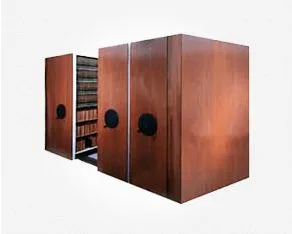
High-density mobile shelving and rotating cabinets are space-saving storage systems that maximize filing capacity while minimizing floor space. High-density mobile shelving uses movable tracks to eliminate unused aisles, while rotating cabinets provide quick access through a compact, rotating design. Businesses choose between them based on space constraints, file volume, and access needs.
- Introduction:
When it comes to storage and filling space, it’s always questionable. The modern system demands smart storage solutions that store more files while occupying limited space. As office costs rise and workspace becomes more expensive, organizations are looking for smarter storage solutions that improve efficiency without requiring relocation or expansion. This is where advanced filing systems become essential.
Two of the most popular solutions are high-density mobile shelving and rotating cabinets. Both systems help businesses optimize space, improve organization, and streamline file access. However, each serves different operational needs.
This guide compares these storage systems in practical terms so businesses can make informed decisions based on space, file volume, and workflow requirements.
- What Is High Density Mobile Shelving?
If you are new to the design and order the very first shelving system, it is important to understand what high-density mobile shelving is and how it works. High-density mobile shelving is a system of movable shelving units that slide on tracks to maximize storage within a limited space.
Unlike traditional static shelves, high-density mobile shelving removes permanently fixed aisles. Instead, shelving units move side-to-side on floor tracks, allowing users to open only the aisle they need at any given time.
- How Mobile Shelving Works
A typical mobile filing system consists of shelving mounted on rolling carriages. Users move the shelves manually through mechanical handles or automatically using electric controls. Since only one aisle is needed for access, businesses can store significantly more files in the same footprint.
- Benefits of High-Density Filing:
With limited space and endless space constraints, it is important to understand how beneficial these filing systems are.
The primary advantage of high-density filing is space optimization. Businesses often increase storage capacity by eliminating wasted aisle space. This makes the system highly effective for archives, records rooms, libraries, healthcare facilities, and government offices.
Other key benefits include:
- Better organization of large file collections
- Improved document security
- Reduced office clutter
- Easier retrieval of archived records
- Long-term cost savings through efficient space usage
- Mechanical vs Electric Systems
Mechanical systems use hand-operated controls and are generally more affordable. Electric systems use powered motors for smoother operation and are ideal for larger installations or environments with frequent access.
Both options are widely used in modern mobile filing system designs, depending on operational needs and budget.
What Are Rotating Cabinets and How Do They Work?
Rotating cabinets are compact storage units that rotate to provide quick access to files within a smaller footprint.
These systems are designed to store files vertically while allowing the cabinet to rotate for fast document retrieval.
- Rotary File Cabinet Design
A rotary filing cabinet typically features rotating shelves or compartments arranged around a central axis. Users rotate the cabinet to bring desired files within reach, reducing the need for multiple filing drawers spread across a room.
This compact structure makes rotating cabinets ideal for smaller offices with limited floor space.
How to Choose the Right Filing System for Your Facility?
The right choice depends on file volume, available space, and how frequently files are accessed.
- High Volume Storage Needs
Organizations that handle thousands of records often require scalable storage. In these situations, high-density shelving provides the best long-term solution because it supports large archival capacity without consuming excessive floor space.
- Daily Access vs Occasional Retrieval
If employees access files throughout the day, rotating cabinets may improve efficiency due to their faster retrieval design. However, archived records that are accessed infrequently are better suited to Mobile Filing Systems.
- Future Expansion
Businesses should also consider future growth. Many organizations underestimate how quickly records accumulate. Mobile shelving systems are easier to expand over time compared to rotating cabinet systems.
A common scenario involves offices expanding their records over time and gradually losing valuable workspace to filing cabinets. One business may begin with a few cabinets but eventually find entire rooms consumed by paper storage.
After switching to high-density mobile shelving, many organizations reduce their storage footprint while significantly increasing capacity. This often eliminates the need for relocation and improves overall workplace organization.
The biggest inefficiency in most offices is not lack of space, but poor use of it. Systems designed for flexibility often deliver better long-term results than static storage.
Businesses that plan storage strategically often experience improved productivity, cleaner work environments, and lower operational costs.