How Smart Technology Is Reshaping the Future of Sports
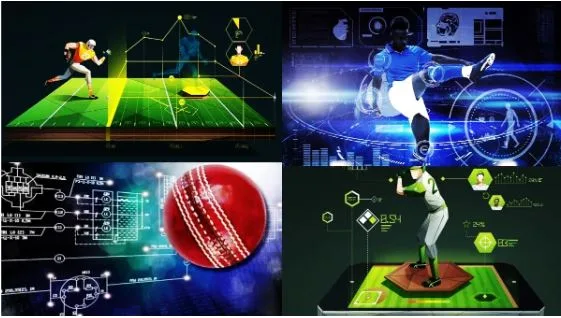
The world of sports has always evolved alongside technological advancements. From improved training equipment to advanced broadcasting systems, innovation has played a key role in enhancing athletic performance and fan engagement. Today, smart technology is transforming sports at an unprecedented pace. Artificial intelligence (AI), wearable devices, data analytics, virtual reality (VR), and smart stadiums are revolutionizing how athletes train, compete, and interact with fans. As technology continues to advance, the future of sports is becoming more connected, efficient, and exciting than ever before.
The Rise of Wearable Technology in Sports
One of the most significant developments in modern sports is the widespread use of wearable technology. Athletes now wear smart devices that monitor heart rate, speed, distance, sleep quality, and overall physical performance. These devices provide coaches and trainers with real-time data that helps optimize training programs and reduce the risk of injuries.
Wearable sensors can track an athlete’s movements during practice and competition, allowing coaches to identify strengths and weaknesses. By analyzing this information, teams can make informed decisions regarding player workload, recovery periods, and performance improvements. As wearable technology becomes more sophisticated, athletes will gain even deeper insights into their physical condition and readiness to compete.
Artificial Intelligence Enhancing Athletic Performance
Artificial intelligence has become a powerful tool in sports performance analysis. AI systems can process vast amounts of data within seconds, identifying patterns and trends that would be impossible for humans to detect manually. Coaches use AI-driven platforms to analyze game footage, evaluate opponents, and develop strategic game plans.
AI can also provide personalized training recommendations based on an athlete’s unique performance metrics. For example, machine learning algorithms can predict fatigue levels, injury risks, and recovery needs. This allows sports organizations to make proactive decisions that maximize performance while minimizing health risks.
As AI technology continues to improve, it is expected to play an even larger role in talent identification, player development, and tactical planning across various sports disciplines.
Data Analytics Revolutionizing Decision-Making
Data analytics has transformed how teams approach competition. Professional sports organizations now rely heavily on statistical analysis to guide decisions both on and off the field. Every action during a game can be measured, analyzed, and used to improve future performance.
In sports such as football, basketball, baseball, and cricket, data analytics helps coaches understand player efficiency, tactical effectiveness, and opponent tendencies. Teams use predictive models to simulate different scenarios and determine the best strategies for upcoming matches.
Beyond performance improvement, analytics also helps organizations manage player recruitment and contract negotiations. By evaluating historical performance data, teams can make more accurate assessments when investing in athletes.
Smart Equipment Improving Training and Competition
The development of smart sports equipment has introduced a new level of precision to training and competition. Modern equipment now contains embedded sensors capable of collecting valuable performance data.
Smart basketballs can measure shooting accuracy and release angles. Smart tennis rackets provide feedback on swing speed, ball impact, and stroke consistency. Smart golf clubs analyze swing mechanics and help players refine their techniques.
This instant feedback allows athletes to make adjustments more quickly than traditional coaching methods. As sensor technology becomes increasingly advanced, smart equipment will continue to improve training efficiency and athletic development.
Virtual Reality and Augmented Reality in Sports Training
Virtual reality and augmented reality are opening new possibilities for sports training and skill development. VR creates immersive environments where athletes can practice game situations without physical strain, while AR overlays digital information onto real-world settings.
Quarterbacks can use VR simulations to practice reading defenses. Soccer players can improve decision-making skills through virtual match scenarios. Race car drivers can train on digital versions of real tracks before competition.
These technologies provide safe and cost-effective ways to enhance mental preparation, reaction time, and tactical awareness. As VR and AR systems become more realistic, they are likely to become standard tools in professional and amateur sports training programs.
Smart Stadiums Enhancing Fan Experiences
Technology is not only transforming athletes’ experiences but also revolutionizing how fans enjoy sports. Smart stadiums are becoming increasingly popular around the world, offering enhanced convenience, security, and entertainment.
Modern venues use high-speed wireless networks, mobile applications, and Internet of Things (IoT) devices to improve the spectator experience. Fans can purchase tickets digitally, order food from their seats, and access real-time game statistics through mobile apps like tangkasnet android.
Smart cameras and facial recognition systems help improve security while reducing entry wait times. Interactive displays and augmented reality features create more engaging experiences for attendees. These innovations are helping sports organizations attract larger audiences and strengthen fan loyalty.
Injury Prevention and Sports Medicine Innovations
Preventing injuries has become a major focus in modern sports, and smart technology is making significant contributions in this area. Wearable sensors and AI-powered monitoring systems can identify warning signs before injuries occur.
By tracking movement patterns, muscle fatigue, and physical stress levels, medical teams can intervene early and adjust training programs accordingly. Advanced imaging technologies and predictive analytics further support injury diagnosis and rehabilitation.
Athletes recovering from injuries can use smart rehabilitation devices that monitor progress and provide feedback during exercises. This technology helps ensure safer and more effective recovery processes, allowing players to return to competition with greater confidence.
The Role of Technology in Sports Broadcasting
Sports broadcasting has experienced dramatic improvements thanks to smart technology. High-definition cameras, drone footage, artificial intelligence, and advanced graphics have transformed how fans watch games.
AI-powered cameras can automatically follow action on the field, providing dynamic viewing angles without requiring extensive camera crews. Real-time statistics, player tracking graphics, and instant replays give viewers deeper insights into the game.
Streaming platforms have also expanded access to sports content worldwide. Fans can watch live events on multiple devices and enjoy personalized viewing experiences. As broadcasting technology evolves, sports entertainment will become even more interactive and immersive.
The Future of Esports and Digital Competition
The rise of esports demonstrates how technology is creating entirely new forms of sports competition. Competitive gaming has grown into a global industry attracting millions of viewers and generating substantial revenue.
Advanced gaming technology, cloud computing, and high-speed internet have enabled professional esports leagues to flourish. Many traditional sports organizations are investing in esports teams and digital competitions to reach younger audiences.
As virtual environments become more sophisticated, the line between physical and digital sports may continue to blur, creating exciting opportunities for athletes, fans, and organizations alike.
Conclusion
Smart technology is fundamentally reshaping the future of sports. From wearable devices and artificial intelligence to virtual reality and smart stadiums, innovation is enhancing every aspect of athletic performance, fan engagement, and sports management. These advancements are helping athletes train more effectively, prevent injuries, and compete at higher levels than ever before. At the same time, fans are enjoying more immersive and personalized experiences through digital platforms and connected venues. As technology continues to evolve, the sports industry will undoubtedly become smarter, more efficient, and more exciting, ushering in a new era of innovation and excellence for athletes and fans around the world.