How Online Gaming Communities Create Lifelong Friendships
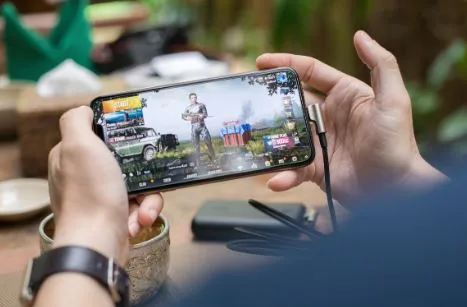
For many people, gaming is far more than a hobby. It has become a powerful social activity that brings together individuals from different backgrounds, cultures, and countries. Online gaming communities have evolved into thriving digital spaces where friendships are formed, skills are shared, and meaningful relationships develop. In many cases, these connections extend far beyond the virtual world and become lasting friendships.
The social nature of gaming has changed dramatically over the years. Early video games were often single-player experiences or limited to local multiplayer sessions. Today, internet connectivity allows millions of players to interact in real time. Whether cooperating to complete missions, competing in tournaments, or simply chatting while playing, gamers have countless opportunities to connect with others.
One reason gaming communities foster strong relationships is the presence of shared goals. Team-based games often require communication, coordination, and trust. Players learn to rely on one another and celebrate successes together. Over time, these shared experiences can create bonds similar to those formed through sports teams, clubs, or workplace projects.
Voice communication has further strengthened online friendships. Modern gaming platforms allow players to talk naturally while playing, making interactions more personal and engaging. Conversations often extend beyond gaming topics to include careers, education, hobbies, and family life. As a result, relationships become more meaningful and authentic.
Gaming communities also provide a sense of belonging. Many players find groups that share similar interests, values, and personalities. For individuals who may struggle to connect with others in traditional social settings, gaming communities can offer a welcoming environment where they feel accepted and understood.
Online communities frequently support their members during difficult times. Gamers often provide encouragement, advice, and emotional support to friends facing personal challenges. Stories of gaming groups helping members through illness, financial hardship, or emotional struggles have become increasingly common. These examples demonstrate that online friendships can be just as genuine as those formed offline.
The rise of community platforms such as Discord, forums, and social media groups has expanded opportunities for interaction. Players can remain connected even when they are not actively gaming. These platforms enable ongoing conversations, event planning, content sharing, and collaboration. Communities become more than gaming groups; they become social networks built around common interests.
Many friendships that begin online eventually transition into real-world connections. Some gaming friends meet at conventions, esports events, or local gatherings. Others travel across countries to meet people they have known digitally for years. These encounters often strengthen existing bonds and create unforgettable memories.
Gaming communities also promote cultural exchange. Players interact with individuals from diverse backgrounds and gain exposure to different perspectives, traditions, and ways of thinking. This global connectivity helps break down barriers and fosters greater understanding among people who might never otherwise meet.
When looking for engaging digital entertainment experiences, many users seek a reliable gaming platform that encourages interaction and community building. Platforms like ibdggames.com contribute to the broader ecosystem by providing spaces where users can enjoy games while connecting with fellow enthusiasts.
The future of gaming communities appears brighter than ever. Advances in virtual reality, improved communication tools, and increasingly immersive online environments will likely make digital interactions even more engaging. As technology evolves, opportunities for meaningful friendships will continue to grow.
In conclusion, online gaming communities have become powerful social networks that connect people worldwide. Through teamwork, communication, shared experiences, and mutual support, gamers form relationships that often last for many years. These communities demonstrate that gaming is not merely about entertainment—it is also about human connection.