How to Choose Lifestyle Sunglasses for Active Commuters
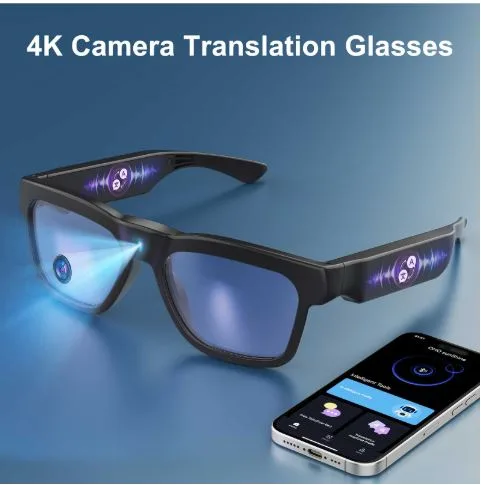
You’re rushing to catch the morning train when blinding sun glare hits you square in the eyes. Minutes later, you’re underground in a dim tunnel, fumbling to remove your sunglasses while simultaneously trying to answer a phone call and check your transit app. By evening, overcast skies make those same dark lenses feel like an unnecessary obstacle. If this cycle sounds familiar, you’re not alone — active commuters face a unique set of visual and practical challenges that standard eyewear simply wasn’t designed to handle.
Lifestyle sunglasses have evolved far beyond their original purpose of blocking UV rays. Today’s best options function as intelligent commuting companions, integrating hands-free audio, adaptive lens technology, and ergonomic designs built to withstand the demands of walking, cycling, and running between destinations. This guide walks you through everything you need to consider when selecting a pair that genuinely solves your daily commuting frustrations — from understanding the technology behind adaptive lenses to evaluating audio integration, prioritizing fit for all-day comfort, and protecting your investment over time. Whether you split your commute between a bike lane and a subway platform or simply walk briskly through changing urban environments, the right pair of lifestyle sunglasses can eliminate the juggling act and let you focus on the journey ahead.
1. Beyond Vision: The Essential Features for the Modern Commute
A decade ago, choosing sunglasses meant picking a frame shape and a lens darkness level. The decision was purely aesthetic, perhaps with a nod toward UV protection. But the daily reality of an active commuter — someone who cycles through intersections, power-walks across downtown blocks, hops on and off transit, and navigates all of it while staying connected — demands something fundamentally different from eyewear. The modern commute isn’t a single activity; it’s a rapid sequence of micro-environments, each with its own visual and practical demands.
This shift in how we move through cities has driven a parallel evolution in what sunglasses can do. Today’s lifestyle sunglasses function less like a passive accessory and more like a wearable platform that consolidates several tools into one frame sitting comfortably on your face. The features that separate these from a standard pair of shades map directly onto the frustrations commuters know well.
First, there’s integrated audio — built-in speakers and microphones that eliminate the need to wear earbuds under a helmet or fumble with headphones while crossing a busy street. Second, adaptive lens technology addresses the constant tug-of-war between too dark and not dark enough as you transition from open sidewalks to covered parking garages to subway platforms. Third, durable and ergonomic construction ensures the frame stays put whether you’re sprinting for a bus or leaning over handlebars in a headwind, without creating pressure points that make you want to tear them off by noon.
These three pillars — audio integration, adaptive optics, and resilient comfort — form the foundation of what makes lifestyle sunglasses genuinely useful rather than gimmicky. Understanding each in depth is the first step toward choosing a pair that actually simplifies your commute instead of adding another gadget to manage.
1.1. Hands-Free Audio Integration: Elevating Your Commute
The appeal of audio-equipped sunglasses becomes immediately obvious the first time you try to answer a phone call while wearing a cycling helmet, or when you realize your in-ear buds block the sound of approaching traffic. Glasses with built-in directional speakers sit near your temples and deliver sound toward your ears without sealing off ambient noise — a critical safety advantage for anyone sharing road space with vehicles and pedestrians.
Beyond safety, the form factor solves a consolidation problem. Instead of carrying sunglasses plus earbuds plus a charging case, you wear one device that handles sun protection, phone calls, podcast playback, and turn-by-turn navigation audio simultaneously. For commuters who treat their travel time as productive time — catching up on audiobooks or briefing calls — this integration removes friction from the routine.
When evaluating audio quality, set realistic expectations. Open-ear speakers won’t deliver the bass depth of over-ear headphones, but premium models produce clear mids and vocals that handle speech, music, and alerts well at moderate volume. Battery life is the more practical differentiator: look for frames offering at least four to five hours of continuous audio playback, which comfortably covers a round-trip commute with margin to spare. Charging speed matters too — a quick fifteen-minute top-up during lunch can extend your coverage through the evening leg.
This category of fitness audio devices continues to improve rapidly, with newer models offering better sound isolation for the wearer (reducing leak to people nearby) and enhanced microphone arrays that isolate your voice from wind and street noise during calls. For the active commuter, audio-integrated sunglasses represent the most natural merger of protection and connectivity available today.
1.2. Master Changing Light with Adaptive Lens Technology
Fixed-tint sunglasses force a compromise. Dark enough for midday glare means too dark for an overcast morning or a shaded bike path. Light enough for cloudy conditions means squinting painfully when the sun breaks through. Photochromic lenses eliminate this trade-off entirely by reacting to ultraviolet light exposure in real time, darkening when UV intensity increases and clearing when it drops.
The technology relies on photochromic molecules embedded in or coated onto the lens material. When UV photons strike these molecules, they undergo a structural change that causes them to absorb visible light — the lens tints. Remove the UV stimulus, and the molecules revert to their transparent state. Modern formulations achieve this transition faster than earlier generations, with high-quality lenses moving from clear to full tint in under sixty seconds and fading back within two to three minutes. That speed matters enormously when your commute involves ducking into a subway entrance and needing clear vision immediately on the stairs.
Consider the typical commuting sequence: you leave home into bright eastern sun, enter a dim parking structure, emerge onto a sunlit platform, board a train through tinted windows, exit into cloud-filtered afternoon light, and cycle the final stretch facing low-angle western glare. Photochromic sunglasses handle every one of these transitions without you touching the frame. Compared to carrying two pairs or constantly pushing glasses up onto your head, the convenience is transformative.
For commuters who also drive, note that standard photochromic lenses may not activate fully behind a windshield that already blocks UV. Some brands offer lenses specifically engineered to respond to visible light as well, making them effective inside vehicles. Checking this specification before purchasing ensures your daily life smart glasses perform across every segment of your route, not just the outdoor portions.
2. Your Step-by-Step Guide to Choosing the Perfect Pair
Knowing what features exist is only half the equation. The real challenge lies in narrowing down which combination of those features actually matches your specific commute, your face, and your budget. A pair loaded with every possible technology means nothing if they slide down your nose during a brisk walk or if you’re paying for audio capabilities you’ll rarely use. The selection process works best when approached methodically — starting with the non-negotiable foundation of physical comfort, then layering in feature priorities based on your actual routine, and finally evaluating the optical and financial details that seal the decision.
Think of it as building from the inside out. The frame has to work with your anatomy and activity level before anything else matters. Once that’s established, you can honestly assess which smart features will earn their place in your daily life versus which ones sound exciting in a product description but gather dust in practice. The final step grounds everything in practical lens performance and realistic value assessment, ensuring you walk away with eyewear that delivers on its promises for months and years rather than weeks.
2.1. Step 1: Prioritize Fit and Comfort for All-Day Wear
No amount of technological sophistication compensates for a frame that pinches behind your ears by 10 a.m. or bounces off your face when you jog across an intersection. Comfort is the gatekeeper — if your sunglasses fail here, every other feature becomes irrelevant because you’ll stop wearing them.
Start with frame material. Lightweight options like TR-90 nylon or grilamid flex under stress without snapping and weigh significantly less than acetate or metal alternatives. For active commuters, this translates to reduced pressure on the nose bridge and temples during extended wear. Next, examine the nose pad design: adjustable silicone pads accommodate a wider range of face shapes and prevent the frame from sliding when you sweat. Fixed molded bridges work well for faces they happen to fit but offer no customization.
Temple grip is equally critical. Look for rubberized or textured temple tips that increase friction against skin and hair. Some designs wrap slightly around the ear for additional security during high-movement activities like cycling or running for a bus. If you wear a helmet on any portion of your commute, verify that the temples sit flat enough to avoid creating painful pressure points beneath the helmet’s straps or padding.
When shopping online, use the brand’s sizing guide and compare the listed measurements — lens width, bridge width, and temple length — against a pair you already own and find comfortable. If purchasing in-store, wear them for at least five minutes, simulate your commute movements (look down at a phone, turn your head quickly, tilt forward as if leaning over handlebars), and pay attention to any early signs of discomfort. Those small irritations always amplify over a full day.
2.2. Step 2: Balancing Features with Your Specific Routine
With fit confirmed, shift your attention to which features genuinely serve your daily pattern rather than which ones look impressive on a spec sheet. Ask yourself a series of honest questions about your commute. Do you spend more than twenty minutes outdoors in variable lighting, or is your exposure limited to a short walk between a building and a car? If lighting transitions are frequent and dramatic, adaptive lenses jump to the top of your priority list. If your outdoor time is brief and consistently sunny, a quality fixed tint might serve you just as well.
Now consider audio. Do you currently listen to music, podcasts, or calls during transit? If your commute already revolves around audio content — and especially if you find earbuds uncomfortable, unsafe, or incompatible with a helmet — integrated speakers become a high-value feature. However, if you prefer commuting in relative silence or your route is short enough that pulling out your phone for a quick call isn’t burdensome, you might redirect that portion of your budget toward superior lens quality or build durability instead.
Map your daily life smart glasses needs by ranking these three categories in order of personal importance: audio connectivity, light adaptability, and physical resilience. Most commuters find that one category clearly dominates. A cyclist navigating forty minutes of mixed sun and shade with podcast time will weight all three heavily. A subway commuter with a ten-minute walk on each end might prioritize adaptive lenses and comfort while treating audio as a bonus rather than a requirement. Let your actual routine — not marketing language — drive the hierarchy.
2.3. Step 3: Finalizing Lens Options and Evaluating Value
Once you’ve established your feature priorities, drill into the lens specifications that affect daily performance. Lens material matters for safety and longevity: polycarbonate is the standard for active use because it resists impact far better than glass and weighs less, making it ideal for situations where a sudden stop or an errant ball could strike your face. Trivex offers similar impact resistance with slightly better optical clarity if you need prescription lenses.
Coatings add functional layers worth scrutinizing. Anti-scratch treatment is essential for glasses that live in bags, pockets, and helmet compartments. Anti-fog coating prevents the lens from clouding when you transition from cold outdoor air into a warm train car — a scenario that renders uncoated lenses temporarily useless. Polarization reduces glare from flat reflective surfaces like wet roads and car hoods, which is particularly valuable for cyclists and drivers but adds cost. Decide whether your route exposes you to enough horizontal glare to justify the premium.
Finally, evaluate the overall value proposition rather than sticker price alone. A pair combining quality photochromic lenses, reliable audio, and durable construction effectively replaces separate sunglasses, earbuds, and potentially a Bluetooth headset. Calculate what you’d spend purchasing those items individually, and the bundled cost of well-made lifestyle sunglasses often looks reasonable by comparison. Brands like ohosunshine offer lens replacement programs and modular upgrades, which extend the useful life of your investment and prevent a single scratched lens from rendering the entire system obsolete.
3. Durability, Care, and Making Your Investment Last
Lifestyle sunglasses for active commuters endure more punishment in a single week than a casual pair might face in a year. They get tossed into bags alongside keys and laptops, exposed to rain and sweat, subjected to temperature swings between frigid outdoor air and heated interiors, and occasionally dropped on concrete when you’re juggling a coffee and a transit card. Build quality isn’t a luxury consideration — it’s what determines whether your purchase lasts three months or three years.
When assessing durability before buying, pay close attention to hinge construction. Spring-loaded hinges absorb outward force without loosening over time, which matters every time you one-hand your glasses off your face. Frame joints should feel solid without visible flex at connection points, and any exposed charging ports need protective covers that seal against moisture and pocket debris. For smart frames with electronic components, look for an IP rating — even a basic IPX4 splash resistance rating ensures that unexpected rain or heavy perspiration won’t damage the internal circuitry.
Caring for tech-integrated frames requires slightly more attention than standard eyewear. Clean lenses with a microfiber cloth and lens-safe solution, avoiding household cleaners that can degrade anti-reflective or photochromic coatings. Never submerge audio-equipped frames in water, even if they carry a water resistance rating — that protection covers incidental exposure, not immersion. Store them in a hard-shell case rather than leaving them loose in a bag where pressure can warp the frame or scratch lenses against other objects.
Battery maintenance extends the lifespan of smart features significantly. Avoid letting the battery drain completely on a regular basis; instead, top it off when convenient, such as during your lunch break or at your desk. Most lithium-ion cells in eyewear maintain optimal health when kept between twenty and eighty percent charge. Finally, register your purchase for warranty coverage and check whether the manufacturer offers replacement parts — a new nose pad set, fresh ear tips, or a replacement lens — so that normal wear doesn’t force you to replace the entire system prematurely.
Building Your Ideal Commuting Eyewear Strategy
Choosing lifestyle sunglasses for an active commute comes down to three defining pillars: integrated audio that keeps you connected without sacrificing situational awareness, adaptive lens technology that handles every lighting transition your route throws at you, and a comfortable, durable build that survives the daily grind without complaint. These aren’t separate nice-to-haves — they work together as a system that replaces multiple devices and eliminates the constant juggling act that makes commuting more stressful than it needs to be.
The perfect pair doesn’t exist in the abstract. It exists relative to your specific routine, your face, and the trade-offs you’re willing to make. Start with fit, because nothing else matters if you won’t wear them past the first week. Then let your honest daily habits — not aspirational ones — guide which features deserve your budget. Prioritize lens quality and build resilience over flashy extras you’ll rarely use, and protect your investment with proper care so it serves you for years rather than months. Armed with this framework, you can walk into any purchase decision with clarity and confidence, knowing exactly what to look for and why. Your commute is already demanding enough — the right sunglasses should make it feel a little less like an obstacle course and a little more like time well spent.