From Local Supplier to International Brand: How a Food and Beverage Exhibition Can Change a Company’s Future
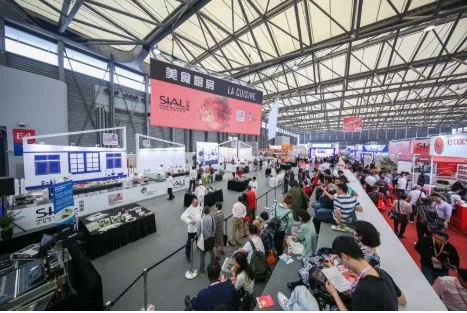
A few years ago, a small food manufacturer faced a challenge that many growing businesses know all too well. The company had a quality product, loyal customers, and steady sales within its home market. Yet every attempt to expand internationally seemed to hit a wall. Emails to distributors often went unanswered. Online meetings rarely led to meaningful partnerships. Market research provided useful information, but it didn’t create real business relationships. Then the company decided to participate in a major food and beverage exhibition.
What happened next wasn’t an overnight success story. Instead, it was a series of conversations, introductions, and opportunities that gradually transformed the business. Within a relatively short period, the company had established connections with buyers, identified new markets, and gained valuable insights into global consumer trends. This experience reflects why international trade events continue to matter in a digital world. For food businesses looking beyond their local markets, attending a leading china trade show such as SIAL China can open doors that are difficult to access through traditional marketing alone.
Why Face to Face Business Still Matters
Technology has changed how companies communicate, but it hasn’t eliminated the value of personal interaction. Food is a sensory industry. Buyers want to see products, examine packaging, discuss sourcing practices, and understand a brand’s story. These conversations often happen more naturally when people meet in person.
A large food and beverage exhibition creates an environment where thousands of industry professionals gather with a shared purpose: discovering opportunities. Instead of scheduling dozens of separate meetings across different countries, businesses can engage with potential partners in a single location. This efficiency makes exhibitions especially valuable for companies with limited time and resources.
The First Impression Advantage
Imagine launching a new product through an email campaign. Even with a strong presentation, your message competes with hundreds of others arriving in a buyer’s inbox. Now imagine introducing that same product at a trade exhibition. Visitors can experience the product firsthand. They can ask questions, compare options, and develop a stronger understanding of what makes your offering unique. This direct interaction often creates a lasting impression that digital communication alone cannot achieve. At a respected china trade show, companies have an opportunity to present their products to professionals actively seeking new suppliers, innovations, and partnerships.
Learning What the Market Really Wants
One of the biggest mistakes businesses make is assuming they already know what customers want. Consumer preferences evolve constantly. Health-conscious eating habits, sustainability concerns, premium ingredients, and convenience-focused products have all influenced purchasing decisions in recent years. A food and beverage exhibition acts as a live snapshot of industry demand. Walking through exhibition halls allows participants to observe:
- Emerging product categories
- Packaging innovations
- Popular flavor trends
- New technologies
- Changing consumer priorities
These observations can help businesses make smarter decisions about product development and market positioning.
Opportunities Hidden in Everyday Conversations
Not every valuable opportunity comes from a formal business meeting. Sometimes a casual conversation at an exhibition leads to an unexpected partnership. A discussion about packaging challenges might introduce a new supplier. A brief encounter with a distributor could evolve into a long-term business relationship. Trade exhibitions create countless moments where professional connections happen naturally. Many companies discover that their most important contacts come from spontaneous interactions rather than pre-planned appointments. Events like SIAL China are particularly valuable because they bring together participants from different sectors of the food industry, creating opportunities that extend beyond immediate sales.
Understanding the Chinese Market
China remains one of the most influential food markets in the world. A growing middle class, increasing demand for imported products, and changing dietary preferences continue to create opportunities for international businesses. However, understanding this market requires more than reading reports.
Attending a leading china trade show allows companies to observe local trends firsthand. They can speak directly with distributors, retailers, and buyers who understand consumer behavior within the region. This practical knowledge often proves more valuable than theoretical research alone.
Building Trust Before Signing Deals
Trust plays a significant role in international business. Before committing to a partnership, buyers typically want confidence in a company’s reliability, product quality, and long-term vision. Exhibitions provide an opportunity to establish that trust. Meeting face-to-face allows both sides to evaluate potential partnerships in a more personal and meaningful way. Questions can be answered immediately, concerns can be addressed directly, and expectations can be discussed openly. For many businesses, this relationship-building process becomes one of the most valuable aspects of participating in a food and beverage exhibition.
Looking Beyond Immediate Results
Companies sometimes measure exhibition success only by the number of contracts signed during the event itself. In reality, many benefits emerge later. A contact made today may become a customer months from now. A product inquiry might eventually develop into a distribution agreement. Market insights gained during the event could influence future product launches. The true value of participation often extends far beyond the exhibition floor. Businesses that approach events with a long-term perspective typically gain the greatest return on their investment.
Final Thoughts
International growth rarely happens by accident. It is usually the result of strategic decisions, consistent networking, and a willingness to explore new opportunities. A well-organized food and beverage exhibition offers all three advantages in one place. Companies can showcase products, learn from industry leaders, and connect with decision-makers who influence purchasing and distribution across multiple markets. For businesses interested in expanding their reach, a respected china trade show such as SIAL China provides more than visibility. It offers access to relationships, insights, and opportunities that can shape future success for years to come.
FAQs
Why should food businesses attend a food and beverage exhibition?
These events help businesses connect with buyers, discover market trends, explore partnerships, and increase brand visibility within the global food industry.
What makes China an attractive destination for food trade events?
China has one of the world’s largest consumer markets and continues to show strong demand for innovative and imported food products.
Is a china trade show beneficial for small businesses?
Yes. Small businesses can gain exposure, meet qualified buyers, and identify growth opportunities without the expense of extensive international travel.
What industries participate in SIAL China?
Food manufacturers, beverage companies, distributors, retailers, importers, exporters, packaging suppliers, and foodservice professionals commonly participate.
How can businesses maximize value from an exhibition?
Preparation is essential. Companies should define goals, schedule meetings in advance, engage actively with visitors, and follow up with contacts after the event.