How to Conduct a Free Hearing Test at Home for Seniors
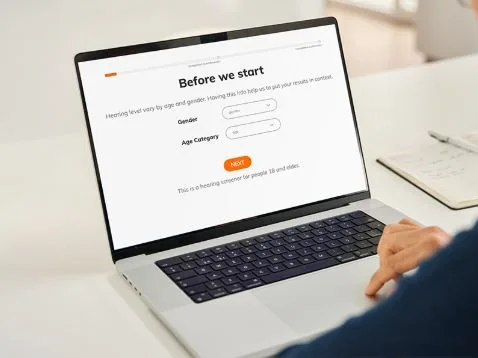
Nearly one in three adults over the age of 65 experiences some degree of hearing loss, yet fewer than half ever receive a formal evaluation. For many seniors, the barriers to professional hearing tests are significant—limited mobility, transportation challenges, long wait times, and the cost of clinical appointments all contribute to delayed diagnosis. Meanwhile, untreated hearing loss quietly erodes quality of life, straining relationships and accelerating cognitive decline. The good news is that a free hearing test conducted at home can serve as a valuable first step toward better auditory health. Home testing offers seniors a comfortable, low-pressure way to assess their hearing without leaving the house. This article provides caregivers and seniors with a practical roadmap for conducting reliable hearing screenings at home, understanding the results, and taking meaningful next steps. Whether you’re a caregiver noticing changes in a loved one’s hearing or a senior curious about your own hearing clarity, the guidance ahead will help you take action with confidence and ease.
Why Hearing Health is Critical for Seniors: The Need for Early Detection
When hearing loss goes unaddressed, its consequences extend far beyond missed conversations. Seniors with untreated hearing difficulties often withdraw from social gatherings, family dinners, and community activities because following dialogue becomes exhausting. This gradual isolation feeds depression and loneliness, conditions already prevalent among older adults. Research consistently links hearing loss to accelerated cognitive decline—the brain, deprived of auditory stimulation, loses processing capacity over time, increasing dementia risk. Early detection through regular testing disrupts this trajectory. Identifying changes in hearing clarity while they’re still mild allows seniors to adapt, seek appropriate support, and maintain the neural pathways that keep the mind sharp. Caregivers play an essential role here. You’re often the first to notice a loved one asking others to repeat themselves, turning the television volume unusually high, or responding inappropriately in conversation. Recognizing these signs and initiating a hearing screening can preserve your loved one’s independence, cognitive function, and connection to the world around them.
Understanding Free Hearing Tests and the Benefits of Home Testing
A free hearing test is a screening tool designed to identify potential hearing difficulties without the expense or formality of a clinical audiological evaluation. Unlike professional audits that use calibrated equipment in soundproof booths and produce detailed audiograms, home-based screenings offer a general snapshot of hearing ability—enough to flag concerns that warrant further investigation. These tests typically involve listening to tones at various frequencies or repeating spoken words at different volume levels, and they’re available through smartphone apps, websites, and simple manual techniques that require no special equipment. For seniors, home testing removes the stress of unfamiliar clinical environments and eliminates logistical hurdles like scheduling appointments or arranging transportation. Testing in a familiar setting reduces anxiety, which can actually improve the accuracy of responses since nervous seniors may perform worse under clinical pressure. For caregivers, home methods offer the flexibility to test at the right moment—when your loved one is rested, alert, and willing to participate—rather than forcing cooperation around an appointment schedule. This accessibility makes regular monitoring realistic rather than aspirational.
Step-by-Step Guide to Conducting a Free Hearing Test at Home
Preparing for the Test: Environment and Equipment
Choose a room away from traffic noise, appliances, and other household sounds—a carpeted bedroom with the door closed works well. Turn off televisions, fans, and anything that hums in the background. Next, select your testing tool. Reputable free options include the World Health Organization’s hearWHO app, available on both iOS and Android, or web-based screenings from organizations like the National Hearing Test. Ensure the device is fully charged and the volume is set to a moderate, consistent level before beginning. If using headphones, choose over-ear models that block ambient sound. As a caregiver, sit nearby to observe responses and offer reassurance, but position yourself where your loved one cannot read your facial cues during the test.
Executing the Test: Simple Procedures for Seniors
Once the environment is set, explain the process in clear, simple terms so your loved one knows what to expect. For a tone-based free hearing test, the senior listens for beeps at different pitches and indicates when they hear each sound—typically by raising a hand or tapping the screen. For speech-in-noise tests, they repeat three-digit sequences heard against background chatter. Test each ear individually by having them cover or plug the opposite ear. Encourage honesty over guessing; it’s better to say “I didn’t hear that” than to fabricate a response. Run the test twice if your loved one seems uncertain, allowing a short break between rounds to reduce fatigue.
Interpreting Initial Results: What to Look For
Most apps and online tools generate a simple pass, refer, or mild-to-severe rating. Pay attention to patterns rather than a single score. If results indicate difficulty hearing high-frequency tones—common in age-related hearing loss—your loved one may struggle with consonant sounds like “s,” “f,” and “th,” which explains why speech sounds muffled even when volume seems adequate. Asymmetry between ears also deserves attention, as significant differences may signal conditions requiring medical evaluation. If the screening suggests anything beyond normal hearing, schedule a professional audiological assessment. A home test confirms suspicion and provides motivation, but it does not replace a clinical diagnosis.
Next Steps After the Home Test: From Results to Action
A home screening is the starting point, not the finish line. If results suggest hearing difficulty, the most important next step is booking a comprehensive audiological evaluation with a licensed audiologist or hearing healthcare professional. Bring your home test results to that appointment—they provide useful context and demonstrate the specific frequencies or situations where your loved one struggles. If professional testing confirms hearing loss, the audiologist will discuss options ranging from hearing aids to assistive listening devices, depending on severity and lifestyle needs. As a caregiver, your role shifts to advocate and organizer: help research local audiologists, arrange transportation, and attend the appointment to ask questions your loved one might forget. If results come back normal but you still notice communication difficulties, don’t dismiss your observations. Request a speech-in-noise evaluation, which tests real-world listening ability rather than just tone detection. Between the home screening and the professional visit, keep a brief log of situations where hearing seems compromised—restaurants, phone calls, group conversations—so the audiologist can tailor their assessment and recommendations to daily life challenges.
Exploring Risk-Free Hearing Aids for Seniors: Options and Considerations
When a home screening and professional evaluation confirm hearing loss, the prospect of choosing hearing aids can feel overwhelming for seniors and caregivers alike. This is where risk-free hearing aids become particularly valuable. Many manufacturers and retailers now offer trial periods—typically ranging from 30 to 60 days—during which seniors can wear the devices in their daily environments and return them for a full refund if unsatisfied. Companies like ELEHEAR provide these trial options, recognizing that hearing aids perform differently in a quiet fitting room versus a bustling family gathering, and that real-world testing matters more than a brief in-office demonstration.
When evaluating options, caregivers should consider several factors beyond the device itself. Comfort is paramount for seniors who may have dexterity challenges or sensitive ear canals; lightweight, well-fitting models encourage consistent use rather than drawer abandonment. Technology level matters too—some seniors need basic amplification while others benefit from Bluetooth connectivity, background noise reduction, or rechargeable batteries that eliminate fumbling with tiny disposables. Look for providers that include follow-up adjustments within the trial period, since most hearing aids require fine-tuning after initial fitting. Ask specifically about return policies, restocking fees, and what support is included during the trial. Encourage your loved one to wear the devices consistently throughout the evaluation window rather than testing sporadically, as the brain needs time to readjust to sounds it has been missing. A structured trial transforms an intimidating purchase into a low-stakes exploration of better hearing clarity.
Tips for Caregivers: How to Support Your Loved One Through the Process
Supporting a senior through hearing evaluation and potential hearing aid adoption requires equal parts patience and strategy. Start by normalizing the conversation—frame hearing testing as routine health maintenance rather than evidence of decline. Many seniors resist screening because they associate hearing aids with aging or disability, so approach the topic without judgment. Say something like “Let’s check in on your hearing together” rather than “You can’t hear anything anymore.” During the home test itself, offer encouragement without coaching. Resist the urge to speak louder or signal correct answers; your role is to create a calm, supportive atmosphere where honest responses feel safe.
If results suggest hearing loss, manage the emotional response carefully. Some seniors feel grief, frustration, or denial upon learning their hearing has changed. Acknowledge these feelings rather than rushing toward solutions. When the time comes to explore hearing aids, involve your loved one in every decision—autonomy matters deeply to seniors who fear losing independence. Accompany them to audiology appointments, take notes, and help compare options afterward. During a hearing aid trial period, check in regularly about comfort and sound quality without hovering. Celebrate small victories, like hearing birdsong again or following a phone conversation without asking for repetition. Your consistent, gentle involvement transforms what could feel like a loss into an empowering step toward restored hearing clarity and renewed connection with the people and world they love.
Take the First Step Toward Better Hearing Today
Hearing loss doesn’t have to silently diminish a senior’s quality of life. As this guide has shown, conducting a free hearing test at home is straightforward, accessible, and remarkably effective as a first line of defense against untreated auditory decline. By setting up a quiet environment, choosing a reliable screening tool, and interpreting results with care, caregivers can identify hearing changes early—before isolation, cognitive decline, or communication breakdowns take hold. The path from home screening to professional evaluation to risk-free hearing aids represents a continuum of empowerment, giving seniors the opportunity to restore hearing clarity without financial gamble or overwhelming commitment. Every step along this journey benefits from caregiver involvement—your observations, encouragement, and advocacy make the difference between a loved one who suffers in silence and one who reconnects with the richness of sound. Don’t wait for hearing loss to become undeniable. Start with a simple home test today, and open the door to clearer conversations, stronger relationships, and a more engaged life for the senior you care about.