The Ultimate Bedroom Sleep Checklist for Better Rest Every Night
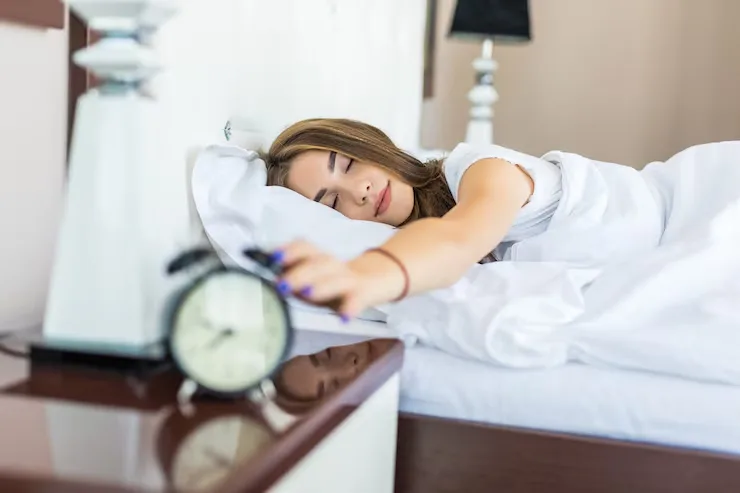
Sleep isn’t a luxury. It’s a necessity, right up there with food and water. And yet millions of people go to bed every night only to wake up tired. The good news is that some simple tweaks to your bedroom and routine can make a big difference.
Follow this checklist and you’ll set yourself up for deep, restorative sleep every night.
Start With Your Bed
It all starts with your bed. Your mattress should be no more than seven to ten years old. Over time mattresses flatten out. Eventually you won’t be getting enough support, and you’ll wake up with mysterious aches and pains.
Pillows are important too. Make sure yours keeps your neck aligned with your spine. If you sleep on your side, use a thicker, firmer pillow. Back sleepers should use a pillow with a medium loft. And stomach sleepers need a thin, soft pillow. One easy test: fold your pillow in half. If it doesn’t spring back to shape, get a new pillow.
Choose breathable sheets made from natural fabrics like cotton or bamboo. Synthetic fabrics keep you hotter by trapping your body heat. Natural fabrics allow your sheets to breathe and help regulate your temperature through the night.
Keep Your Room Cool
Did you know your body temperature drops when you fall asleep? Your room should too. The ideal bedroom temperature is somewhere between 65 and 68 degrees Fahrenheit. Most people’s rooms are too warm, which is why so many of us struggle to sleep.
Running your air conditioner or cracking a window at night isn’t always practical. A fan is a good alternative. Fans produce a soothing white noise that can help mask distracting sounds. And a lightweight blanket you can kick off will keep you from overheating.
Block Out All Light
Your brain knows when it’s time to wake up because it gets bright outside. Even small amounts of light can interfere with your sleep cycle. Street lights, phone chargers, alarm clock displays; they all add up.
Invest in some blackout curtains. They block outside light better than any other solution. No blackout curtains? Try a sleep mask. It’s just as effective for less money.
LED lights from electronics can also disrupt your sleep. Tape over their indicator lights with black electrical tape. It seems insignificant, but every little bit helps when you’re trying to sleep.
Eliminate Noise
Random noises are another common cause of sleep disruption. Your brain picks up on them even if they don’t fully wake you up. Traffic, a snoring spouse, noisy neighbors; they’ll keep you from getting your best rest.
A white noise machine can help drown out these random noises. They produce a consistent, soothing sound. Even easier? Download a free white noise app for your phone. Rainfall, ocean waves, and fan noise are all popular options.
If white noise isn’t your style, try earplugs. Foam earplugs are inexpensive and easy to find. They block out more noise than you might expect and take minimal getting used to.
Limit Screen Time Before Bed
Computers, tablets, and smartphones emit blue light. That blue light tricks your brain into thinking it should be awake. Not only that but scrolling through Instagram tricks your brain into thinking it shouldn’t be resting.
Put down your phone at least 30 minutes before bed. Charge your phone outside of the bedroom if possible. Use an old-fashioned alarm clock so you don’t have to keep your phone next to your bed.
If you like to unwind with your devices, replace that habit with something else. Reading a book is ideal. But light stretches, journaling, or relaxing music work well too.
Use Your Bedroom Only For Sleep
Your brain is powerful. It creates associations and you can use that to your advantage. If you watch TV, eat, work, or study in bed, your brain won’t associate your bedroom with sleep.
If possible, only use your bedroom for sleeping and relaxing. Keep your work desk in another room. Don’t eat dinner in bed. If you watch TV in bed, move the TV out of your bedroom.
Develop a Consistent Sleep Schedule
Our bodies operate on something called a circadian rhythm. It loves consistency. Going to sleep and waking up at the same time every day conditions your body to expect sleep at a certain time.
Pick a time to wake up and stick to it. Sunday through Saturday. Then work backwards to figure out when you should be going to sleep. Adults need seven to nine hours of sleep nightly. Stick to the schedule and you’ll find it easier to fall asleep at night.
Mind What You Eat And Drink
Coffee before bed is bad, obvious right? Here’s what you might not know. Caffeine can stay in your system for up to six hours. That afternoon pick-me-up can keep you awake at night.
Alcohol can also hurt your sleep. It puts you to sleep faster but prevents you from reaching deep sleep stages. You often wake up mid-night after drinking (even if you don’t realize it).
Big meals can have the same effect. Digesting eats away at your energy. Have a light snack before bed but try to eat big meals at least two to three hours before bed.
Sleep Better Tonight
You don’t have to make every change overnight. Start with one or two things on this list. Replace your pillows or lower the thermostat. Or just put your phone downstairs before bed.
You’ll be surprised how quickly the small things add up. A week from now you’ll be falling asleep faster and waking up refreshed. Make your bedroom a place that lets your body and mind recharge and that’s exactly what it will do.
If you’re serious about improving your sleep, don’t rely on guesswork. The Drift Light Sleep Tools hub brings together a comprehensive collection of free, browser-based calculators and planners that help you optimise every aspect of your sleep environment. Rather than focusing on a single factor, the tools cover bedtime routines, blue light exposure, bedroom temperature, humidity, ventilation, sleep cycles, morning light, shift work, jet lag and more. Each tool provides practical recommendations you can try the very same night, making it easy to test small changes and discover what has the biggest impact on your sleep quality. Whether you’re struggling to fall asleep, waking up too early or simply looking to create a healthier bedroom environment, it’s an excellent resource to bookmark and revisit whenever you want to improve your nightly routine.
Bedroom Sleep Checklist FAQs
FAQs about bedroom sleep checklist to help you sleep better tonight.
What temperature should my bedroom be for sleep?
Between 65° and 68°F (18-20°C). This is the temperature range that most people sleep best in as it allows your body to match its internal temperature with your bedroom while falling asleep faster.
Does humidity in a room affect sleep?
Yes, it does. If the humidity in your bedroom is too high you’ll feel like you can’t breathe. On the other hand, low humidity can cause dehydration to your throat and nose. A healthy room humidity level is between 40–60%.
Why am I always tired after sleeping 8 hours?
Simply put: it’s not how much you sleep, it’s how well you sleep. Exposure to light, noise, temperatures, or sleeping with your phone can inhibit your body from reaching deep sleep.
Do blackout curtains help you sleep?
Yes! Getting quality sleep means your brain produces melatonin. Light from phones, alarm clocks, and outside can inhibit deep sleep. By shutting it out, your body can fully focus on sleeping.
Is it unhealthy to be on your phone before bed?
Yes. Spending too much time scrolling through social media before bed can cause you to fall asleep slower. Screen time keeps you mentally stimulated and exposes you to blue light which decreases melatonin production.
How can I sleep better instantly?
By making 3 small changes to your sleep environment:
- Cool down your bedroom
- Eliminate as much light as possible
- Put your phone away
Just these three tips will help you see improvements in your sleep in a matter of nights.