LED vs Bulb Beam Lights: Which Is Best for Your Venue?
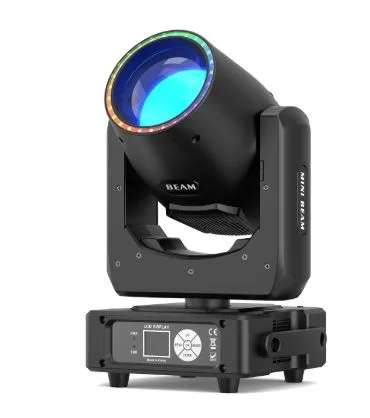
Picture this: thousands of fans packed into an arena, the bass drops, and suddenly razor-sharp beams of light slice through the haze, sweeping across the crowd in perfect synchronization with the music. That visceral moment—where sound and light fuse into a single emotional force—depends entirely on the quality and capability of beam lights mounted on those overhead trusses. For event planners and lighting designers, the technology behind those beams has never mattered more. The industry stands at a crossroads between modern LED beam fixtures and traditional discharge bulb-based lights, each with distinct advantages that can make or break a production. Whether you’re outfitting a permanent installation or planning a touring rig for outdoor performances, this choice affects everything from your visual impact to your bottom line. This article delivers a clear, practical comparison of both technologies, helping you match the right beam lights to your specific venue size, event type, and operational budget—so every show hits exactly the way you intend.
Understanding Beam Light Technology: A Primer for Event Planners
Beam lights are specialized fixtures designed to produce a tight, concentrated column of light rather than a wide wash. Unlike flood or spot fixtures that illuminate broad areas, beam lights create those dramatic, pencil-thin shafts visible through atmospheric haze—the signature look of high-energy concerts, EDM festivals, and large-scale theatrical productions. Their ability to cut through distance and darkness makes them indispensable for creating depth, movement, and raw visual intensity in any performance space.
The two dominant technologies powering these fixtures work on fundamentally different principles. Traditional bulb-based beam lights rely on gas-discharge lamps—typically HRI, MSD, or Osram variants—that produce light by ionizing gas within a sealed arc tube. These lamps generate enormous intensity from a compact source, which optics then focus into a tight beam. LED beam fixtures, by contrast, use arrays of semiconductor diodes that emit photons when electrical current passes through them. There’s no heated element, no gas, and no fragile arc gap involved.
Understanding this core distinction is essential because it cascades into every practical consideration that follows: how much power you’ll draw from venue circuits, how often your crew swaps components mid-tour, how much heat your rigging must handle, and ultimately, how much each hour of stunning light actually costs your production. The sections ahead break down these factors systematically, giving you the data to make a confident investment decision.
The Head-to-Head Comparison: Key Factors for Your Decision
When evaluating beam lights for professional lighting applications, the decision ultimately comes down to four critical performance areas. Each factor carries different weight depending on your venue’s priorities, but understanding the full picture ensures you invest wisely rather than reactively.
Brightness and Beam Quality for Professional Lighting
Traditional discharge bulb beam lights have long dominated when it comes to raw, punchy intensity from a single-point source. A quality 380W or 470W discharge fixture produces an extraordinarily concentrated beam with a naturally tight angle, often as narrow as 1–3 degrees without additional optics. This single-source characteristic creates a clean, hard-edged shaft of light high beam that cuts through haze with surgical precision—exactly what high-energy concerts demand. LED beam fixtures have closed this gap significantly in recent years, with high-powered models now delivering comparable throw distances and intensity. However, the nature of LED arrays means some fixtures produce a slightly softer edge or require more sophisticated optics to achieve the same pencil-thin concentration. Where LEDs gain a decisive advantage is color rendering and mixing flexibility. Full-spectrum RGB or RGBW LED engines offer seamless, instant color transitions without mechanical color wheels, eliminating the subtle color fringing that discharge lamps sometimes exhibit when light passes through dichroic filters.
Energy Efficiency and Operational Costs
This is where LED technology delivers its most measurable advantage. An LED beam fixture typically consumes 40–60% less power than a discharge bulb producing equivalent visible output. For a venue running forty fixtures across a six-hour event, that difference translates directly into lower generator costs for outdoor performances or reduced utility bills for permanent installations. Beyond the electrical draw itself, LED fixtures produce substantially less radiated heat. Discharge lamps convert a significant portion of their energy into infrared radiation, forcing venues to compensate with additional HVAC capacity—an often-overlooked operational expense. Cooler-running LED rigs reduce air conditioning loads, lower truss temperature stress, and create more comfortable conditions for rigging crews working overhead.
Lifespan and Maintenance Demands
The maintenance equation heavily favors LED technology. Quality LED sources are rated for 20,000 to 50,000 hours of operation, while discharge lamps typically require replacement every 750 to 2,000 hours—sometimes sooner if dimmed frequently or subjected to repeated strike cycles. For a touring production running five shows per week, a discharge lamp might last just two to three months before output degrades noticeably. This means carrying spare lamps, scheduling replacement labor, and accepting the risk of mid-show failures. LED fixtures essentially eliminate lamp inventory concerns, reduce technician hours dedicated to re-lamping, and dramatically improve event reliability. When a fixture does eventually need attention, it’s usually a fan or driver component rather than a consumable light source.
Upfront Investment and Total Cost of Ownership
Quality LED beam lights carry a higher purchase price than comparable discharge fixtures—often 30–50% more for equivalent professional-grade models. This sticker shock leads many planners to default toward bulb-based options without considering the full financial picture. To calculate your true break-even point, add the cost of replacement lamps over three years (typically three to eight lamps per fixture annually for heavy use), factor in the energy differential across your expected operating hours, include reduced technician labor for maintenance, and account for lower cooling costs. For most venues operating fixtures more than 20 hours per week, LED beam lights reach cost parity within 18 to 30 months—after which every operating hour represents pure savings against the discharge alternative.
Choosing the Right Beam Lights for Your Venue Size and Event Type
Technology comparisons only matter when they translate into actionable decisions for your specific situation. The right beam light isn’t universally “the best”—it’s the fixture that matches your venue’s throw distances, your event schedule’s demands, and your team’s operational capacity. Here’s how to think about that match across different scenarios.
Solutions for Large Venues and High-Energy Concerts
Arenas, festival stages, and large touring productions demand fixtures that deliver maximum intensity over long throw distances while surviving the punishment of nightly load-ins and truck rides. For these applications, high-output LED moving head beam fixtures have become the dominant choice among professional lighting designers. Their combination of powerful output, instant color mixing without mechanical wheels, and near-zero lamp failure risk makes them ideal for rigs where forty or more fixtures must perform flawlessly night after night. The reduced power draw also matters enormously at scale—running a festival stage on generators, every kilowatt saved translates to smaller, cheaper power infrastructure. Look for LED beam fixtures with single-source optical designs that replicate the tight, punchy quality traditionally associated with discharge lamps. Models featuring concentrated LED engines with advanced collimation optics now achieve the 1–3 degree beam angles that large-venue designers require, while adding capabilities like variable CTO and linear dimming that discharge fixtures simply cannot match.
Solutions for Mid-Size Venues and Theatrical Performances
Theaters, corporate event spaces, and mid-capacity music venues between 500 and 3,000 seats often benefit from a hybrid lighting approach. These environments typically require both atmospheric beam effects and precise gobo projection or tightly controlled spot work. LED beam fixtures excel as your primary workhorses for color-rich aerial effects, sweeping beam movements, and dynamic chase sequences during outdoor performances and indoor concerts alike. Their silent operation and minimal heat output also make them preferable for venues where audience proximity to fixtures is a factor. However, certain theatrical applications—particularly sharp gobo projection at medium distances or specific warm-white beam aesthetics—may still benefit from select discharge fixtures in your rig. The key is intentionality: deploy LEDs where their color flexibility and efficiency shine, and reserve any bulb-based fixtures for specialized roles where their optical characteristics genuinely serve the creative vision rather than defaulting to them out of habit.
Solutions for Small Venues and Limited Budgets
Clubs, houses of worship, community theaters, and independent event companies operating on tight margins face the most pressure to make every dollar count. The higher upfront cost of LED beam lights can feel prohibitive, but a strategic approach makes the transition manageable. First, prioritize LED fixtures for your most-used positions—front lighting and key beam effect spots that run every event. Manufacturers like UKING offer LED moving head beam fixtures that balance performance with accessibility, making them a practical entry point for smaller operations building their first LED inventory. These positions accumulate the most operating hours, meaning LED savings compound fastest there. Second, for one-off productions or annual galas requiring a larger rig than you own, rent premium LED moving heads rather than purchasing mid-tier fixtures you’ll rarely use. Third, if your current inventory includes functional discharge beam lights, maximize their remaining value with a disciplined maintenance protocol: track lamp hours religiously, keep two spare lamps per fixture on hand, and schedule replacements proactively before output drops below acceptable levels. This phased approach lets you migrate toward an all-LED inventory over two to three budget cycles without compromising current show quality.
The Practical Guide: Steps to Selecting Your Beam Lights
Knowing the technology differences is only half the battle—applying that knowledge to your specific purchasing decision requires a structured approach. The following three steps transform abstract comparisons into a concrete action plan that protects your investment and ensures your lighting delivers on show night.
Step 1: Assess Your Event’s Core Lighting Needs
Before browsing catalogs or requesting quotes, document exactly what your venue and programming demand from beam fixtures. Start by measuring your longest throw distance—the gap between your furthest truss position and the farthest point those beams must reach with visible impact. Next, define your color requirements: do your events rely on rapid, seamless color transitions across the full spectrum, or do you primarily work within a narrow palette of warm whites and ambers? List how many rigging points you have available and their weight capacity, since this determines whether lighter LED fixtures unlock additional mounting positions. Finally, consider your typical show pace—fast-moving concert programming with constant beam movement stresses fixtures differently than slow theatrical cues, and this affects which technology handles your workload more reliably.
Step 2: Calculate Your Real Budget (Including Hidden Costs)
Build a total cost of ownership spreadsheet covering a three-year horizon. Include purchase or rental price per fixture, estimated annual power consumption based on your operating schedule multiplied by your local electricity rate, lamp replacement costs for discharge options (number of replacements per year times cost per lamp plus technician labor), additional HVAC expenses from heat-generating fixtures, and spare parts inventory requirements. This exercise frequently reveals that the “cheaper” discharge option actually costs 20–40% more over three years for venues running fixtures regularly. Having these numbers documented also strengthens budget proposals to stakeholders who might otherwise reject higher upfront LED costs without understanding the full financial trajectory.
Step 3: Demo and Test Before You Commit
Never finalize a major lighting purchase based solely on specification sheets. Arrange an onsite demonstration with your top two or three fixture candidates, ideally during a rehearsal or low-stakes event where you can evaluate performance in real conditions. Run haze and observe beam quality at your actual throw distances. Test dimming curves at low intensities to check for flicker or stepping artifacts. Listen for fan noise at close range if audience proximity matters. Compare how each fixture responds to your existing DMX control system and programming workflow. Many manufacturers and distributors offer demo programs or short-term rentals specifically for this purpose—take advantage of them, because the fixture that looks best on paper doesn’t always win in your room.
Making Your Final Beam Light Investment Decision
The choice between LED and discharge bulb beam lights comes down to a clear trade-off. LED technology delivers superior energy efficiency, dramatically longer operational life, reduced maintenance burden, and lower total cost of ownership for virtually any venue running fixtures on a regular schedule. These advantages compound over time, making LEDs the financially sound and operationally reliable choice for the vast majority of modern productions—from touring concerts and festivals to corporate events and theatrical seasons. Discharge bulb fixtures still hold a narrow niche where their specific optical characteristics serve a creative purpose that current LED designs haven’t fully replicated, but that window continues to shrink as LED engineering advances each year. For event planners making purchasing decisions today, the path forward is straightforward: assess your venue’s actual throw distances and programming demands, build an honest total cost of ownership calculation over three years, and demo your top candidates in real-world conditions before committing. The technology that wins on paper should also win in your room. For most operations, that answer will be LED—not because it’s newer, but because it delivers more reliable, more flexible, and ultimately more affordable light where it matters most: on your stage, every single show night.