Best Portable Range Hood Options for Everyday Kitchens
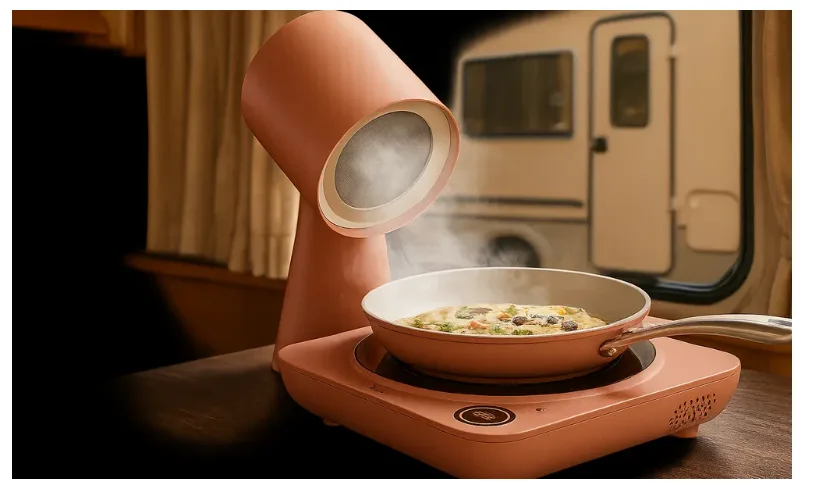
Many people cook in spaces without built-in ventilation. Apartments, rental homes, RVs, and small setups often lack proper exhaust systems. Smoke, grease, and odors build up quickly during regular meals. A best portable range hood offers a practical answer. These compact units sit on the counter, filter air, and improve conditions without permanent changes.
Portable models use filters to capture particles and recirculate cleaner air. They suit renters who cannot modify walls or landlords’ properties. Families in tight living areas also benefit from reduced grease on surfaces and fewer lingering smells. This article covers how these hoods work, their main advantages, common issues, and what to consider when choosing one. It includes details on models from Ciarra Gadgets, with direct links to their offerings.
What Makes a Portable Range Hood Useful
A portable range hood pulls air across the cooking area, traps grease and particles in layers of filters, and sends cleaned air back into the room. Most run on standard power and need no ductwork. Placement close to the cooktop, usually within 10 cm or so, helps performance.
Typical components include:
- A fan with two or more speeds.
- Polymer or mesh filters for initial particle separation.
- Aluminum or baffle filters to catch grease.
- Activated carbon filters to handle odors.
An oil collection cup sits at the bottom to hold drips. Many units weigh under 3 pounds and measure around 6 by 8 by 13 inches, which makes storage straightforward when not in use.
Key Benefits of Using a Best Portable Range Hood
These devices address several common kitchen problems. First, they reduce smoke and steam right at the source. This keeps walls, cabinets, and ceilings cleaner over time. Second, they limit odor spread to other rooms, which matters in open-plan living spaces or studios.
Health aspects matter too. Cooking fumes contain particles that some people prefer to minimize, especially during frequent frying, grilling, or hot pot sessions. Portable hoods help manage this without major renovations.
Portability stands out as a core strength. Move the unit from kitchen counter to outdoor table or RV setup as needed. No tools or installation required means immediate use after unboxing. Energy use stays low—many models draw around 24W—while still providing useful airflow, often above 70 CFM on higher settings.
Maintenance stays manageable. Dishwasher-safe filters and removable cups simplify cleaning. Regular care extends the life of the unit and keeps suction consistent.
Ciarra Gadgets offers models designed with these needs in mind. Their portable options emphasize compact size and multi-layer filtration for everyday cooking. Check details on the Ciarra Gadgets site for current options.
Challenges and Limitations to Consider
No solution fits every situation perfectly. Portable range hoods work best for smaller cooktops and moderate cooking. Heavy, prolonged frying or large family meals may require running the unit longer or combining it with good window ventilation.
Suction power remains lower than built-in, ducted systems. Expect effective performance when the hood sits close to the pan, but coverage drops over wider surfaces. Noise levels vary—aim for models under 65 dB at lower speeds for comfortable use during conversations.
Filter replacement adds a small ongoing cost. Carbon filters lose effectiveness after months of regular use and need swapping. Grease filters require periodic washing. Plan for this routine to maintain results.
Some models work only with electric or induction surfaces. Always confirm compatibility with your cooktop type.
Current Trends in Portable Range Hood Design
Manufacturers focus on better filtration and quieter motors. Triple-layer systems that combine polymer, aluminum, and carbon elements appear more often. These setups handle grease, particles, and smells in sequence.
Compact, lightweight builds continue to improve. Recycled materials and anti-fingerprint finishes make units easier to keep looking new. Simple one-button or touch controls replace complicated panels for broader appeal.
Battery or USB options emerge for true cordless use in some newer designs, though most still plug in for steady power. LED lights on some models add visibility over the cooking area without extra lamps.
Demand grows in urban apartments, RV communities, and among people who host indoor grills or hot pot meals. Brands like Ciarra Gadgets respond with models that balance power, size, and price for these users.
How to Choose the Right Model
Focus on your cooking habits and space first. Measure available counter area near the stove. Consider how often you cook foods that produce smoke or grease.
Important factors include:
- Airflow and speeds: Two or three settings allow adjustment from light simmering to active frying.
- Filter quality: Look for multi-stage designs with replaceable carbon layers.
- Noise rating: Check specifications for operation at typical distances.
- Build and features: Sturdy materials, stable base, and easy-to-empty oil cup matter for daily use.
- Power needs: Standard plug compatibility works for most homes.
Read user experiences with similar setups. Performance varies by placement and cooking style. A unit that works well for one person may need tweaks for another.
Ciarra Gadgets portable models feature triple filtration and straightforward controls. Their designs target small spaces and mobile use. Visit the main Ciarra Gadgets site to see full specifications and options.
Maintenance Tips for Long-Term Performance
Keep any portable range hood working well with basic habits. Unplug the unit before cleaning. Remove and wash grease filters and the oil cup regularly with warm, soapy water or in the dishwasher if allowed.
Wipe the exterior with a damp cloth. Avoid harsh chemicals that could damage finishes. Replace carbon filters according to usage—more often for daily cooks. Check the manual for exact intervals.
Store the hood in a dry place when not needed. Periodic checks of the fan blades for dust buildup help maintain airflow. These steps prevent reduced suction and extend the product’s life.
Comparing Portable Options to Traditional Hoods
Built-in range hoods offer stronger venting to the outside, which removes contaminants entirely. They suit larger kitchens with existing ductwork. However, installation costs and restrictions in rentals make them less practical for many.
Portable units provide flexibility at a lower entry price. They recirculate air after filtering, which works adequately in smaller volumes. Many users combine a portable hood with occasional window opening for best results.
For those without other choices, a quality portable model delivers noticeable improvements in air quality and surface cleanliness.
Real-World Applications
In apartments, these hoods prevent odors from traveling to shared hallways. RV owners use them during stops to cook without filling the living area with smoke. Dorm residents manage simple meals more comfortably. Outdoor or indoor BBQ setups benefit from targeted ventilation.
Users report less eye irritation and fewer greasy residues after regular use. Placement remains key—position the intake near the most active part of the cooktop.
Final Thoughts
A best portable range hood brings practical ventilation to spaces that lack built-in options. These units reduce smoke, control grease, and limit odors through effective filtration and easy placement. While they have limits compared to permanent systems, their convenience and low setup requirements make them valuable for many households.