Michael Vogel on Creating and Implementing Competency-Based Training Pipelines that Produce Career-Ready Firefighters
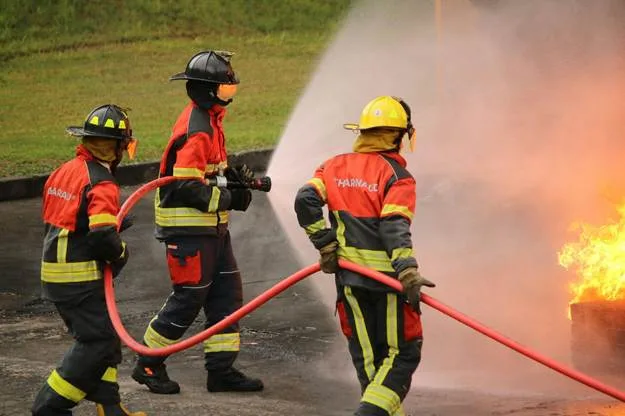
Firefighting today demands technical mastery, quick decision-making, and the ability to adapt to new threats and technologies. As communities grow and hazards become more sophisticated, fire departments are rethinking how they prepare recruits for the field. Competency-based training has emerged as a leading approach, prioritizing practical skills and measurable outcomes over traditional classroom hours.
As Michael Vogel notes, training programs across North America and beyond are integrating cutting-edge simulations, digital tools, and collaborative strategies to ensure that firefighters are ready for everyday emergencies and large-scale disasters.
Competency-Based Training for Firefighters:
Competency-based training in firefighting focuses on building the specific skills and knowledge required for the job, ensuring each firefighter can perform essential tasks safely and effectively. This approach moves away from traditional time-based training, emphasizing demonstrated ability over simply completing hours of instruction. Departments across the United States have adopted this method to produce firefighters who are better prepared for the demands of their roles, and it is recognized as a best practice in emergency response training.
Firefighter training has changed over the years, shifting from lecture-heavy classrooms to more practical, outcome-driven models. Many agencies now prioritize hands-on learning and real-world assessments, which help recruits transition smoothly into active duty. Such changes have made it possible for new firefighters to meet the profession’s ever-changing needs with confidence.
Essential and Core Skills
Mastering essential skills is at the heart of preparing firefighters for real-world challenges. Key competencies range from technical abilities like hose handling and search-and-rescue tactics to critical thinking, teamwork, and communication under pressure. Departments often identify these vital areas by reviewing past incident reports and consulting with experienced personnel to ensure that training is relevant and practical, leading to more targeted and effective instruction.
Hands-on drills, scenario-based exercises, and live-fire simulations are frequently used to reinforce these core strengths. In many academies, recruits are evaluated on their ability to apply knowledge in unpredictable environments, reflecting the realities they will face on the job. This focus on measurable outcomes helps shape firefighters who are ready to act decisively and safely from day one, and ensures that learning does not stop at the doors.
Designing Effective Training Pipelines
Building a successful training pipeline starts with a curriculum that mirrors the competencies needed on the fireground. Training coordinators connect learning objectives with real-world scenarios, using digital platforms and simulation technologies to enhance engagement. Virtual reality has gained traction in some departments, offering immersive experiences that allow recruits to practice complex rescues without the risks of live training.
Partnerships with accredited colleges and industry organizations contribute to the program’s credibility and effectiveness. Such collaborations can also open pathways to further education and leadership roles, strengthening the department’s overall capacity.
Implementation Strategies and Resource Planning
Undertaking a firefighter training program requires careful planning and resource allocation. Departments invest in recruiting candidates who demonstrate physical aptitude and a commitment to public service. The selection process often weighs prior experience, community involvement, and adaptability to high-stress conditions, which can influence recruitment campaigns and outreach efforts in communities.
Instructors, too, must be carefully chosen and continually developed to maintain high standards. Facilities and equipment are evaluated regularly to ensure realism and safety during drills. Budgetary considerations play a role, with funding often directed toward modernizing training grounds and updating gear to reflect the latest industry advancements. Collaborative resource sharing between neighboring departments is also being explored to maximize impact and reduce costs.
Measuring Success
Evaluating the success of training initiatives is an ongoing process. Departments use a blend of practical assessments, scenario evaluations, and written exams to track progress. Feedback loops—where instructors and trainees share observations after each session—help pinpoint areas for adjustment and growth. This can uncover hidden gaps in knowledge or highlight exceptionally effective methods.
Staying current with evolving firefighting methods is essential. Programs are periodically reviewed and adapted to incorporate lessons from major incidents, advances in technology, and updates to national standards, ensuring firefighters remain at the leading edge of their profession. Peer reviews and external audits are also increasingly being used to benchmark programs and foster a spirit of open improvement.
Future Trends
Cities like Phoenix and Toronto have earned recognition for training models that integrate live simulations with community outreach, producing graduates who not only excel technically but also understand the populations they serve. These programs highlight the value of blending rigorous drills with real-life engagement, and show how cross-training with other first responders can elevate performance during large-scale emergencies.
Looking ahead, more departments are exploring the use of artificial intelligence for scenario planning and performance tracking. Global collaboration is on the rise, with shared resources and best practices improving safety and efficiency in firefighting worldwide. As technology advances, the possibilities for more adaptive and personalized training continue to expand, setting the stage for a new era.