Support Needs ServiceMaster Restore Ancillary Services Can Cover During Restoration
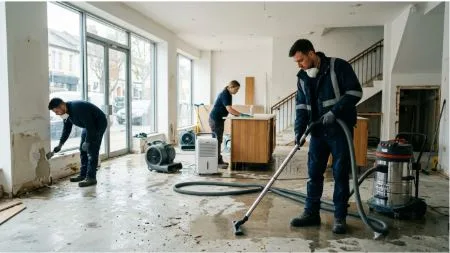
Commercial restoration can stall for reasons that have nothing to do with the main damage category. A property may already have water extracted, smoke cleanup underway, or storm damage documented, but operations can still be held back by temporary power needs, climate control, access problems, damaged contents, equipment concerns, tenant disruption, or records that cannot be left in the affected area.
Those support needs can quietly drain money from the property. Staff wait for rooms to reopen, tenants ask for updates, contractors need access, customers notice disruption, and managers spend hours coordinating issues that were not part of the first emergency call.
The Work Around the Restoration Work
A restoration job does not happen in an empty building with no business pressure. Commercial properties often have people, equipment, inventory, documents, leases, schedules, security rules, and operating deadlines sitting around the damaged area.
That surrounding work can affect how fast decisions get made. If the building needs temporary systems, controlled access, contents moved, or support services arranged, the property team may need more than the core restoration crew addressing the visible damage.
When Secondary Needs Start Costing Money
Secondary needs become expensive when they are treated as afterthoughts. A business may spend time chasing separate vendors, delay reopening a usable area, leave equipment exposed, or approve cosmetic repairs before the site conditions are stable enough for the work to hold.
For property managers, the cost can also show up in communication. Tenants, owners, insurers, contractors, and internal teams may all want answers, and each missing detail can slow the next approval, access decision, or repair step.
How Ancillary Services Change the Conversation
ServiceMaster Restore lists ancillary services as part of its commercial restoration support. These services sit around the main restoration work and can help property teams address the practical needs that affect access, operations, and recovery decisions.
The point is not to add services for the sake of adding services. The better commercial question is which support needs are blocking progress, which ones can wait, and which ones should be handled before the property spends money on repair, replacement, or reopening decisions.
Temporary Power and Climate Control Needs
Power and temperature can become operational problems during restoration. A damaged property may need temporary power, lighting, heating, cooling, or humidity-related support while the main restoration work is being planned or completed.
These needs can affect more than comfort. They may influence whether workers can access the space, whether equipment can be protected, whether materials can dry properly, and whether certain parts of the property can remain usable during the recovery period.
Access, Movement, and Site Control
A commercial property under restoration often has too many moving pieces for casual access. Staff, tenants, vendors, inspectors, restoration crews, and decision-makers may all need to move through or around affected areas.
Site control helps reduce confusion during that process. When people know which areas are restricted, which entry points are usable, and which work zones need protection, the restoration process has fewer chances to be slowed by preventable interruptions.
Contents That Interfere With the Work
Commercial contents can become a restoration issue by themselves. Inventory, furniture, files, electronics, fixtures, equipment, and stored materials may need to be moved, reviewed, cleaned, documented, or protected before the damaged area can be handled properly.
Leaving those items in place can create delays. It may block access, increase handling confusion, expose assets to additional damage, or make it harder to decide what should be cleaned, stored, replaced, or removed.
Equipment and Business-Critical Areas
Some spaces carry more operational weight than others. A damaged office, storage room, mechanical area, records room, showroom, kitchen, server area, or production space may affect revenue, compliance, tenant satisfaction, or daily service delivery.
Ancillary support can help property teams think beyond the damaged wall, floor, or ceiling. The decision becomes which spaces support business continuity and which assets need attention before normal operations can resume.
Why Premature Repairs Create Waste
Commercial teams can waste money when they rush to visible repairs before support needs are settled. New flooring, paint, fixtures, or furniture can become a poor investment if moisture, odor, access, climate, contents, or equipment concerns are still unresolved.
A better sequence protects the property from rework. The site conditions, support needs, and affected assets should be understood before the owner approves spending that only makes the space look finished.
Reducing the Vendor Coordination Burden
Large restoration jobs can push property teams into a coordination role they are not staffed to handle. Calls, schedules, access windows, scope questions, tenant messages, and insurance-related documentation can start consuming management time.
Ancillary services can reduce that pressure when they bring related support needs into the restoration conversation earlier. Instead of treating every secondary issue as a separate scramble, the property team can discuss what support belongs near the main restoration plan.
When Ancillary Services May Be Worth Asking About
Commercial property owners should ask about ancillary services when the restoration work may involve temporary systems, site control, contents, equipment, records, access planning, or operational disruption. These are the situations where the property may need support around the job, not only cleanup at the damage source.
The question should be specific. Instead of asking whether ancillary services are available in general, managers should describe what is blocking progress and ask whether the local ServiceMaster Restore provider can support that need.
How to Frame the First Call
The first call should give enough detail to separate the core damage from the support needs. Property teams should explain what happened, which areas are affected, what operations are disrupted, whether contents or equipment are involved, and whether the property has temporary power, climate, access, or security concerns.
Managers should also note tenant issues, customer-facing areas, critical records, after-hours access rules, and any spaces that cannot stay offline for long. Those details help the provider discuss the restoration work and the support services that may need to sit beside it.
Local Service Scope Still Needs Confirmation
ServiceMaster Restore services are provided by independently owned and operated franchises or corporate-owned branches. Service availability, pricing, and specific support options can vary by location.
That variation should be part of the decision process, not a last-minute surprise. Commercial property teams should confirm which ancillary services are available locally before building a recovery plan around a service that may not apply to their property.
Turning Support Needs Into Better Restoration Decisions
Ancillary needs can look secondary until they begin costing the property time, access, revenue, tenant confidence, and management attention. Temporary power, climate control, contents handling, equipment concerns, and site logistics can all shape whether the restoration plan moves cleanly or stalls in pieces.
ServiceMaster Restore ancillary services give commercial property teams a practical way to discuss the support work surrounding a restoration job. Call 866.867.3123 or use the official location search to connect with a local ServiceMaster Restore provider and confirm which support services may fit the property, damage type, and operational priorities.
Frequently Asked Questions
What are ancillary services during commercial restoration?
Ancillary services are support services that sit around the main restoration work. They may help with practical needs such as temporary systems, access, contents, equipment, climate concerns, or other site conditions that affect how the restoration job moves forward.
When should a commercial property ask ServiceMaster Restore about ancillary services?
A commercial property should ask about ancillary services when the damage affects more than the visible cleanup area. Temporary power needs, climate control concerns, business equipment, tenant access, contents, records, or operating delays can all be reasons to ask whether additional support is available.
Are ancillary services the same as water, fire, or mold restoration?
No, ancillary services are not the same as core restoration categories such as water damage restoration, fire and smoke damage restoration, or mold remediation. They support the broader recovery process when the property has operational, access, contents, or site-related needs alongside the main damage.
Do ServiceMaster Restore ancillary services vary by location?
Yes, services and pricing may vary because ServiceMaster Restore services are provided by independently owned and operated franchises or corporate-owned branches. Commercial property teams should contact the local provider to confirm available ancillary services before making recovery plans around a specific support option.