Lithium Battery Storage System:The Smart Backbone of Modern Energy Management
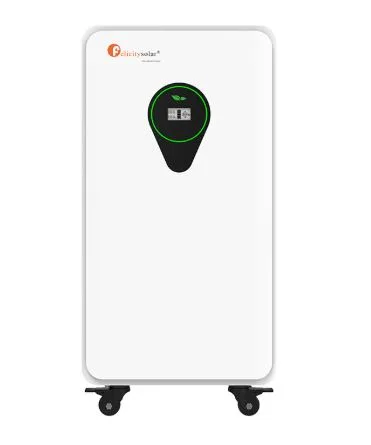
If you’ve ever lost power during a storm, watched your electricity bill spike during peak hours, or wondered how solar panels actually keep the lights on at night, you’ve already bumped into the problem that lithium battery storage systems solve. As homes, businesses, and entire power grids shift toward renewable energy, storing that energy efficiently has become just as important as generating it. That’s where lithium battery storage steps in — quietly, reliably, and increasingly, indispensably.
What Exactly Is a Lithium Battery Storage System?
At its core, a lithium battery storage system is a setup that stores electrical energy in lithium-based battery cells for later use. Think of it as a savings account for electricity. Instead of using power the moment it’s generated, you store the surplus — say, solar energy captured at noon — and draw on it later when the sun goes down or when grid electricity costs more.
These systems typically include the battery pack itself, a battery management system (BMS) to monitor health and safety, an inverter to convert stored DC power into usable AC power, and software that manages charging and discharging cycles intelligently.
Why Lithium-Ion Over Other Battery Types?
Not all batteries are created equal, and lithium-ion technology has pulled ahead of older options like lead-acid for good reason.
Higher energy density means lithium batteries pack more power into a smaller, lighter footprint — a big deal for homes with limited space or businesses trying to maximize floor area.
Longer lifespan is another major win. While lead-acid batteries might handle a few hundred charge cycles before degrading, quality lithium batteries can handle several thousand, often lasting 10 to 15 years with proper care.
Faster charging and better efficiency round out the appeal. Lithium systems typically retain more of the energy put into them, wasting less as heat, and they charge considerably faster than older chemistries.
There are trade-offs, of course — lithium systems generally cost more upfront, and safety management is critical since these batteries are more sensitive to overcharging and extreme temperatures. But for most modern applications, the long-term value outweighs the initial investment.
Where These Systems Actually Get Used
Residential energy storage is probably the most familiar use case. Paired with rooftop solar panels, a home battery system lets you use your own generated power at night instead of pulling from the grid, and it provides backup power during outages without the noise and fumes of a gas generator.
Commercial and industrial storage helps businesses manage peak demand charges, which can be a significant chunk of a commercial electricity bill. By storing energy during off-peak hours and using it during high-demand periods, companies can meaningfully cut costs.
Grid-scale storage is where things get really interesting. Utility companies now deploy massive lithium battery installations to stabilize the grid, store excess renewable energy, and prevent blackouts during demand surges. These installations are becoming a cornerstone of the broader transition to clean energy infrastructure.
Electric vehicle charging stations also increasingly rely on battery storage buffers, allowing fast charging without overloading local power infrastructure.
Key Factors to Consider Before Investing
If you’re thinking about installing a lithium battery storage system, a few things deserve your attention beyond just the sticker price.
- Capacity and power output — measured in kilowatt-hours (kWh) and kilowatts (kW) respectively — determine how much energy you can store and how fast you can use it.
- Depth of discharge (DoD) tells you how much of the battery’s capacity can be safely used without shortening its lifespan.
- Warranty and cycle life are strong indicators of how long the investment will actually pay off.
- Compatibility with existing solar or grid systems matters just as much as the battery itself; a mismatched inverter or BMS can undercut performance significantly.
Working with a reputable installer who can size the system correctly for your actual usage patterns, rather than a generic package, tends to make the biggest difference in long-term satisfaction.
The Road Ahead
The lithium battery storage market isn’t slowing down. As renewable energy adoption grows and grid reliability becomes a bigger concern worldwide, storage systems are shifting from a “nice to have” to a near-essential piece of energy infrastructure. Prices have been trending downward for years as manufacturing scales up, and newer lithium chemistries — like lithium iron phosphate (LFP) — are improving safety and lifespan even further.
Final Thoughts
A lithium battery storage system isn’t just a backup plan for power outages anymore — it’s a practical tool for energy independence, cost savings, and environmental responsibility. Whether you’re a homeowner pairing it with solar panels, a business trying to shave down peak demand costs, or simply someone curious about where energy technology is headed, understanding how these systems work puts you a step ahead in an increasingly electrified world.
As the technology matures and costs continue to fall, lithium battery storage is quickly moving from a smart choice to a standard one.