Choosing a Laser Cleaning Machine Manufacturers
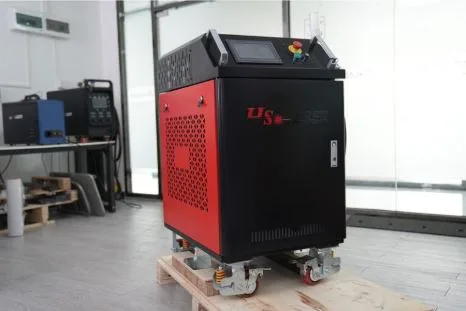
Laser cleaning has moved from a niche industrial process to a widely adopted alternative to sandblasting, chemical cleaning, and abrasive methods across metal fabrication, restoration, and manufacturing industries. As demand has grown, so has the number of manufacturers producing laser cleaning equipment — ranging from established industrial laser companies to newer entrants offering lower-cost alternatives. Understanding what separates a reliable manufacturer from a risky purchase matters, given both the cost of the equipment and the precision required for effective, damage-free cleaning.
What Laser Cleaning Machines Do
Laser cleaning uses a focused laser beam to remove rust, paint, oxidation, oil residue, or coatings from a surface without the abrasive media, chemicals, or water typically required by traditional cleaning methods. The laser energy causes the unwanted surface layer to vaporize or flake away, while the underlying base material — properly calibrated — remains largely unaffected.
Common Types of Laser Cleaning Machines
Handheld Laser Cleaning Machines Portable units allowing an operator to manually direct the laser cleaning head, commonly used for on-site rust removal, weld cleaning, or restoration work where the object being cleaned can’t easily be brought to a fixed machine.
Fixed/Bench-Mounted Laser Cleaning Systems Stationary units designed for consistent, repeatable cleaning of parts brought to the machine, often integrated into a production line for pre-treatment before painting, coating, or welding.
Robotic/Automated Laser Cleaning Systems Integrated with robotic arms for high-volume, repeatable cleaning tasks, common in automotive manufacturing, aerospace component preparation, or large-scale industrial cleaning applications.
Key Factors to Consider When Choosing a Manufacturer
Laser Power and Type Laser cleaning machines vary significantly in power output, typically ranging from under 100 watts for delicate or precision cleaning to several thousand watts for heavy industrial rust or coating removal. Manufacturers should be able to clearly explain which power range suits a specific application, since underpowered machines struggle with heavy contamination while overpowered machines risk damaging delicate substrates.
Build Quality and Component Sourcing As with other laser equipment categories, quality varies significantly between manufacturers based on the laser source brand, cooling system design, and overall construction. Requesting specifics on core components — rather than relying on general marketing claims — helps assess actual build quality.
Application-Specific Experience Some manufacturers specialize in specific use cases, such as historical restoration, mold cleaning, or heavy industrial rust removal. A manufacturer with direct experience in the intended application is more likely to recommend appropriate power settings, lens configurations, and operating parameters than a general-purpose supplier.
Safety Features and Compliance Laser cleaning equipment involves genuine safety risks, including eye and skin exposure to laser radiation. Reputable manufacturers build in safety interlocks, protective enclosures (for fixed systems), and provide documentation of relevant safety certifications, such as compliance with laser safety classifications appropriate for the equipment’s power level.
After-Sales Support Given the technical complexity of laser cleaning equipment, confirming a manufacturer’s ability to provide training, technical support, and spare parts after purchase is important, particularly for businesses without in-house laser equipment expertise.
Questions Worth Asking a Manufacturer
- What laser power and type do you recommend for my specific cleaning application, and why?
- Can you provide a live demonstration using a sample similar to what I need to clean?
- What safety certifications does this equipment carry, and what safety features are built in?
- What is the expected lifespan of the laser source, and what does replacement cost and process look like?
- What training and technical support is included after purchase?
- Can you provide references from customers with similar applications?
Comparing Manufacturers: What Separates Reliable Suppliers From Risky Ones
Reliable manufacturers are generally willing to provide detailed technical specifications, arrange live demonstrations with the buyer’s actual material, and speak knowledgeably about application-specific settings rather than offering generic, one-size-fits-all recommendations. They also tend to be transparent about component sourcing and realistic about a machine’s limitations for specific tasks, rather than overselling capability across every possible use case.
Red Flags to Watch For
Vague answers about laser source specifications, reluctance to demonstrate the machine on a buyer-provided sample, unrealistic power-to-price ratios compared to established competitors, and a lack of documented safety certifications are all signs worth taking seriously. Given the safety stakes involved with laser equipment, cutting corners on manufacturer due diligence carries more risk than with many other equipment categories.
Domestic vs. Overseas Manufacturers
Laser cleaning equipment is manufactured globally, with significant production concentrated in regions known for laser technology, including China, Germany, and the United States. Domestic manufacturers typically offer faster support response and easier compliance verification for local safety regulations, while overseas manufacturers may offer competitive pricing, particularly at higher power ranges, provided quality and support infrastructure can be verified.
Final Thoughts
Choosing a laser cleaning machine manufacturers comes down to matching laser power and equipment type to the actual application, while carefully vetting build quality, safety compliance, and after-sales support. Requesting live demonstrations with real samples, reviewing detailed component specifications, and confirming safety certifications are practical steps that help avoid both underperforming equipment and safety risks associated with lower-quality laser systems.