A Practical Guide to Educational Toy Wholesale
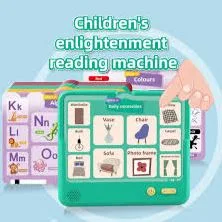
Retailers, schools, daycare centers, and online sellers all rely on wholesale suppliers to stock educational toys at a price point that leaves room for profit or budget flexibility. But sourcing educational toys wholesale involves more than just finding the lowest per-unit price — quality, safety compliance, and supplier reliability all directly affect whether a business builds a sustainable product line or ends up dealing with returns, safety recalls, or dissatisfied customers.
What Counts as an Educational Toy
Educational toys span a wide range of categories, including:
- STEM toys – Building sets, coding robots, science kits, and engineering-focused construction toys
- Early learning toys – Shape sorters, alphabet and number toys, and sensory development items for toddlers
- Language and literacy toys – Talking flash cards, phonics games, and vocabulary-building sets
- Puzzles and logic games – Items that build problem-solving and spatial reasoning skills
- Art and creativity kits – Craft supplies, drawing sets, and open-ended creative play materials
Wholesale suppliers often specialize in one or two of these categories rather than covering the entire range, so identifying the specific niche helps narrow the supplier search considerably.
Where Educational Toy Wholesale Comes From
Domestic Wholesalers and Distributors Companies that import or manufacture domestically and sell in bulk to retailers. These often provide faster shipping, easier communication, and more straightforward returns or exchanges compared to overseas sourcing.
Overseas Manufacturers Many educational toys are manufactured overseas, particularly in regions with established toy manufacturing infrastructure. Buying directly from overseas manufacturers can offer lower per-unit costs, especially at higher order volumes, but requires more attention to quality control, safety certification, and shipping logistics.
Trade Shows and B2B Marketplaces Toy industry trade shows and online B2B wholesale platforms allow buyers to compare multiple suppliers, view samples, and negotiate terms in one place, often serving as a starting point for new retailers building supplier relationships.
Key Factors to Consider When Sourcing Wholesale
Safety Certifications Educational toys sold to children must meet safety standards specific to their market — for example, ASTM F963 in the United States or EN71 in the European Union. Confirming a supplier can provide valid safety testing documentation for the specific products being purchased is essential, both for legal compliance and for protecting the business from liability.
Minimum Order Quantities (MOQs) Wholesale suppliers typically require a minimum order size, which varies significantly between manufacturers. Smaller or newer businesses should confirm MOQs align with their budget and storage capacity before committing to a supplier relationship.
Material Quality Educational toys endure heavy use, especially in classroom or daycare settings. Confirming materials — non-toxic paints, durable plastics, or splinter-free wood — matches the expected use case helps avoid early product failure or safety concerns.
Age-Grading Accuracy Toys need accurate age recommendations based on choking hazards, complexity, and developmental appropriateness. Reliable wholesalers provide clear age guidance backed by proper testing, rather than vague or overly broad ranges.
Packaging and Branding Options Some wholesalers offer private label or custom packaging options, allowing retailers to build their own brand identity around sourced products rather than reselling generic packaging. This is worth discussing upfront if brand differentiation matters for the business.
Questions Worth Asking Wholesale Suppliers
- Can you provide safety certification documentation for the specific product line I’m ordering?
- What is the minimum order quantity, and is it flexible for a first order or trial run?
- What is the typical lead time from order to delivery, including customs clearance if applicable?
- Are private label or custom packaging options available?
- What is your policy on defective or damaged goods upon arrival?
- Can you provide references or reviews from other retailers you supply?
Red Flags to Watch For
Suppliers unwilling to share safety certification documents, vague about material composition, or unable to provide product samples before a bulk order are worth reconsidering — particularly given the safety stakes involved with children’s products. Reputable wholesalers are generally transparent about testing, sourcing, and previous client relationships.
Balancing Cost and Quality
It’s tempting to prioritize the lowest per-unit cost when sourcing wholesale, but educational toys with poor durability or unclear safety testing can lead to returns, negative reviews, or worse, actual safety incidents. Many successful retailers find that mid-range suppliers offering solid certification and consistent quality control provide better long-term value than the cheapest available option.
Final Thoughts
Sourcing educational toy wholesale successfully comes down to balancing cost, quality, and safety compliance rather than chasing the lowest price alone. Requesting samples, confirming certification documentation, and starting with smaller trial orders before committing to larger volumes are all practical steps that help build a reliable, long-term supplier relationship.