Finding the Right Sports Glasses Supplier
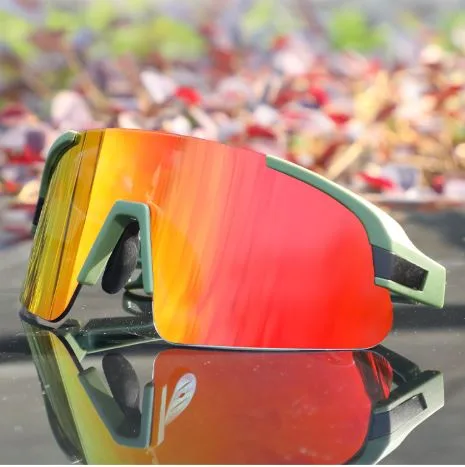
Sports glasses have to do more than look good — they need to survive impact, stay put during intense movement, and protect the eyes from sun, wind, dust, or flying debris depending on the activity. Whether sourcing for a retail store, a team outfitting program, or a private-label brand, choosing the right supplier affects product quality, safety, and how well the glasses actually perform for the athletes wearing them.
What Sports Glasses Suppliers Typically Offer
Sports eyewear spans several categories, and suppliers often specialize in one or more of the following:
- Sunglasses for outdoor sports – Running, cycling, golf, and fishing eyewear designed for UV protection and glare reduction
- Protective sports goggles – Impact-resistant eyewear for basketball, racquetball, or other contact and fast-paced sports
- Prescription sports glasses – Frames designed to accommodate corrective lenses while maintaining a secure, athletic fit
- Safety and shooting glasses – Eyewear designed for shooting sports, requiring specific impact ratings and lens tinting options
- Swim goggles – A distinct category with its own sealing, anti-fog, and UV requirements for water sports
Identifying which category matters most for the intended market helps narrow the search to suppliers with relevant specialization, rather than general eyewear manufacturers without sports-specific experience.
Key Factors to Consider When Choosing a Supplier
Impact Resistance and Safety Standards Sports glasses intended for active or contact sports typically need to meet specific safety standards — such as ASTM F803 for sports eyewear in the United States, or relevant impact-resistance certifications in other regions. Confirming a supplier can provide testing documentation for their specific products is essential, particularly for team or institutional purchases where liability is a concern.
Lens Material and Coatings Polycarbonate lenses are common in sports eyewear due to their impact resistance and light weight compared to glass or standard plastic. Suppliers should be able to specify lens material, along with available coatings like anti-fog, anti-scratch, UV protection, or polarization, depending on the intended sport and conditions.
Frame Fit and Retention Sports glasses need to stay secure during movement, which typically means features like rubberized nose pads, wraparound frame designs, or adjustable temple arms. A supplier experienced in sports-specific eyewear should be able to speak knowledgeably about fit retention features relevant to the target activity.
Customization and Branding Many businesses sourcing sports glasses — teams, retailers, or private-label brands — want custom colors, logos, or packaging. Confirming a supplier’s minimum order quantities and lead times for custom branding helps set realistic expectations for a launch timeline.
Prescription Compatibility For suppliers offering prescription-ready frames, it’s worth confirming compatibility with common lens insert systems or direct glazing options, since not all sports frame designs accommodate prescription lenses without modification.
Domestic vs. Overseas Suppliers
As with many product categories, businesses often weigh domestic sports glasses supplier against overseas manufacturers, frequently based in regions with established eyewear manufacturing infrastructure. Domestic suppliers typically offer faster turnaround, easier communication, and more straightforward handling of returns or defects. Overseas suppliers can offer lower per-unit costs at scale, but require closer attention to safety certification, quality consistency, and longer shipping timelines.
Questions Worth Asking a Potential Supplier
- Can you provide impact resistance and safety certification documentation for this specific product line?
- What lens materials and coatings are available, and which do you recommend for [specific sport]?
- What is the minimum order quantity for custom branding or private label options?
- What is your typical lead time from order to delivery?
- Do you offer sample units before committing to a bulk order?
- What is your policy on defective units or quality issues found after delivery?
Red Flags to Watch For
Suppliers unwilling to provide safety testing documentation, vague about lens material specifications, or unable to offer samples before a bulk order are worth reconsidering — particularly for eyewear intended for contact sports where impact protection is a genuine safety concern, not just a marketing feature.
Balancing Cost and Performance
Sports glasses sourced purely on lowest price often disappoint in ways that matter most during actual use — lenses that scratch quickly, frames that don’t stay secure during activity, or inadequate UV protection. Suppliers with solid certification, consistent quality control, and sports-specific design experience tend to deliver better long-term satisfaction, even at a somewhat higher per-unit cost.
Final Thoughts
Choosing a sports glasses supplier comes down to matching safety certification, lens quality, and fit retention features to the specific sport or activity the eyewear is intended for. Requesting samples, confirming testing documentation, and starting with a smaller trial order before committing to a larger purchase are practical steps that help ensure the final product performs as expected for the athletes or customers using it.