What Every New Homeowner Should Add to Their Maintenance Checklist
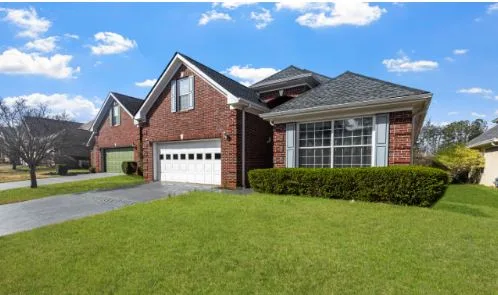
Buying a home is exciting, but keeping it in good shape takes more than unpacking boxes and choosing paint colors. Many first-time homeowners quickly learn that small maintenance jobs have a way of turning into expensive repairs when they are ignored. In Central Texas, the weather adds another layer of responsibility. Long periods of heat, sudden thunderstorms, high humidity, and occasional winter freezes can all affect different parts of a house throughout the year. A simple maintenance routine helps you catch problems early before they become stressful and costly. You do not need special skills or expensive tools to stay on top of your home. You simply need to know what deserves regular attention. This checklist covers the areas that matter most so you can protect your investment and enjoy your home with greater confidence.
Don’t Overlook Your Garage Door
Many homeowners use the garage door several times every day without thinking about the amount of wear each opening and closing cycle creates. Spend a few minutes every month watching how the door moves. It should open smoothly, close evenly, and operate without grinding, squeaking, or jerking. Check the weather seal along the bottom for cracks that could let in water, dust, or pests. Test the auto-reverse safety feature by placing a solid object, such as a piece of wood, in the door’s path. The door should reverse immediately after it is touched. Leave spring, cable, and track repairs to trained technicians because these parts operate under high tension. Scheduling garage door services in Central Texas helps keep the entire system safe, reliable, and ready for daily use.
Give Your HVAC System Regular Attention
Your heating and cooling system works harder than almost any other part of your home, especially during summer. A clogged air filter forces the system to work longer, which can reduce efficiency and increase energy use. Check the filter every month and replace it whenever it looks dirty. Homes with pets usually need more frequent replacements because pet hair and dust collect faster. Schedule professional maintenance before summer and again before cooler weather arrives. A technician can clean important parts, inspect electrical connections, and spot signs of wear before they lead to breakdowns. Also keep outdoor units free from leaves, grass, and other debris so air can move freely around the equipment throughout the year.
Keep Rainwater Moving Away From Your Home
Water causes some of the most expensive home repairs, which makes gutters and downspouts worth checking several times each year. Leaves, small branches, and dirt can block water flow and cause it to spill over the edges instead of draining away from your house. Over time, this can damage siding, landscaping, and even your foundation. Walk around your home after heavy rain and look for water pooling near the base of the house. Make sure downspouts direct water several feet away from the foundation. While cleaning gutters, check for loose brackets, rust spots, or sections that have started to sag. Catching these issues early helps prevent larger repairs that are much harder and more expensive to fix later.
Check Your Roof After Stormy Weather
Strong winds, hail, and heavy rain are common in many parts of Central Texas, making roof inspections an important habit. Walk around your property and look for missing shingles, lifted edges, damaged flashing, or pieces of roofing material that may have fallen into the yard. Inside the home, pay attention to water stains on ceilings or walls because they can point to a roof leak. Tree branches hanging over the roof should also be trimmed before they scrape shingles during windy weather. If you notice damage or are unsure about what you see, contact a qualified roofing professional instead of trying to inspect difficult areas yourself.
Make Home Safety Checks a Monthly Habit
Safety devices need regular attention because they protect your family every day, even when you rarely think about them. Test smoke alarms once a month by pressing the test button until the alarm sounds. If your home has carbon monoxide detectors, check those at the same time and replace batteries whenever the manufacturer recommends. Look at the date printed on each alarm because every unit has a limited service life and eventually needs replacement. Keep at least one fire extinguisher in the kitchen and another in the garage or utility area. Check the pressure gauge to confirm it remains in the recommended range. Review your family’s emergency exit plan occasionally so everyone knows what to do during an emergency.
Catch Plumbing Problems Before They Spread
A small plumbing leak can stay hidden for weeks before it becomes obvious, which is why regular inspections matter. Open the cabinet beneath each sink and look for damp spots, stains, or a musty smell. Check around the base of toilets for signs of moisture and make sure they do not rock when you gently press from side to side. Inspect your water heater for rust, dripping connections, or water collecting underneath the tank. Outside, examine hose bibs and irrigation connections for slow leaks after use. Learn where your home’s main water shut-off valve is located so you can act quickly if a pipe bursts. Finding a leak early usually means a simpler repair and less damage inside your home.
Protect the Parts Everyone Sees
Your home’s exterior faces constant exposure to sunlight, rain, wind, and changing temperatures. Walk around the property every few months and look closely at siding, trim, fences, decks, and walkways. Dirt buildup can trap moisture, so wash exterior surfaces when they become noticeably dirty. Look for peeling paint, cracked caulk, loose boards, or wood beginning to soften from moisture. Address these issues before they spread across larger areas. Inspect fences for leaning posts or loose fasteners that could worsen during storms. If your home has a wooden deck, check for raised nails or screws and reseal the surface whenever the finish begins to wear. Routine exterior care helps preserve appearance while preventing avoidable repair work.
Owning a home comes with ongoing responsibilities, but regular maintenance does not have to feel overwhelming. Small inspections completed throughout the year take far less time and money than dealing with major repairs after something fails. Paying attention to your heating and cooling system, roof, plumbing, gutters, doors, windows, garage door, and exterior surfaces helps your home stay safe, comfortable, and efficient. Keep your maintenance schedule simple, stay consistent, and deal with small issues while they are still easy to fix. Over time, these habits protect your investment, reduce unexpected expenses, and give you greater confidence that your home will continue serving you well for years to come.