Forklift Maintenance 101: A Guide for Fleet Operators
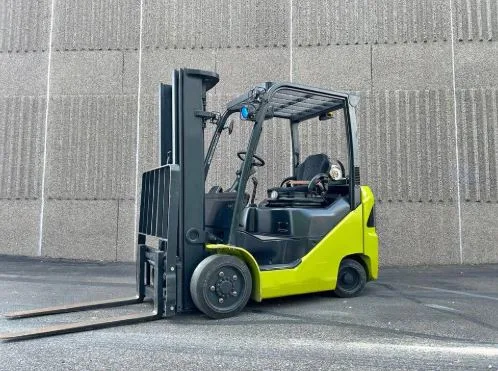
A forklift is one of the hardest-working machines in any warehouse or yard, and like any piece of heavy equipment, it only stays reliable if you take care of it. Skipping maintenance doesn’t just risk a breakdown at the worst possible moment, it shortens the life of the truck, drives up repair bills, and puts operators at risk. The good news is that a solid maintenance routine isn’t complicated. It comes down to consistent inspections, scheduled service, and catching small problems before they grow into expensive ones.
Why Maintenance Matters
A neglected forklift fails in ways that ripple across an entire operation. A truck down for repairs is a truck not moving product, and unplanned downtime almost always costs more than the preventive work that would have avoided it. Beyond the financial side, poorly maintained equipment is a safety hazard. Worn brakes, failing hydraulics, or a cracked mast can turn a routine lift into an accident. Regular maintenance protects your people, your inventory, and your bottom line all at once.
There’s also a longevity argument. A forklift that’s serviced on schedule can run dependably for many years and tens of thousands of hours. One that’s run into the ground gets replaced far sooner, and replacement is the single most expensive line item a fleet ever faces.
The Daily Pre-Shift Inspection
The foundation of good maintenance is the daily inspection, and it should happen before every shift. This is the operator’s responsibility, and it only takes a few minutes once it becomes habit. A thorough walk-around covers both visual checks and operational checks.
Start with the visual inspection while the truck is off. Look at the tires for wear, cuts, or low pressure if they’re pneumatic. Check for leaks underneath, whether hydraulic fluid, oil, or coolant. Inspect the forks for cracks, bends, or excessive wear at the heel. Examine the mast, chains, and hoses for damage or fraying. Make sure the overhead guard and load backrest are secure, and confirm that warning labels and the data plate are readable.
Then move to the operational checks with the truck running. Test the brakes, including the parking brake. Check the steering for responsiveness and the horn, lights, and any alarms or backup signals. Raise and lower the forks to confirm the hydraulics work smoothly without hesitation or jerking. Watch the gauges and warning lights on startup. If anything looks or sounds wrong, the truck should be tagged out of service until it’s addressed. A short checklist kept on each truck makes this consistent and gives you a paper trail.
Scheduled Preventive Maintenance
Beyond daily checks, every forklift needs scheduled service at defined intervals, usually based on engine or operating hours rather than calendar time. The exact schedule depends on the truck and how hard it works, but the categories of work are consistent across most equipment.
Fluids and filters. For combustion trucks, this means regular oil and oil filter changes, plus checking and replacing fuel filters, air filters, and hydraulic fluid as needed. Transmission and coolant levels should be monitored and serviced on schedule. Clean fluids and filters are the cheapest insurance you can buy against major component failure.
Hydraulic system. The hydraulics do the heavy lifting, literally. Inspect hoses, cylinders, and fittings for leaks and wear, and keep the hydraulic fluid clean and topped off. Contaminated or low fluid causes sluggish operation and accelerates wear on expensive components.
Brakes and steering. Brake pads, drums, and linkages wear over time and need periodic inspection and adjustment. Steering components should be checked for play and proper response. These systems are non-negotiable from a safety standpoint.
Mast, chains, and forks. Lift chains stretch with use and need lubrication and tension checks. Worn chains should be replaced, not stretched past their limit. Forks should be measured for wear and inspected for any cracking, especially around the heel where stress concentrates.
Electrical and battery care. For electric forklifts, battery maintenance is central. Lead-acid batteries need proper watering, charging, and periodic equalizing, while lithium-ion packs need far less attention but should still be monitored for health. Check terminals, cables, and connections for corrosion and tightness on any truck.
Keeping Tires in Good Shape
Tires are easy to overlook but important. Worn tires reduce stability, hurt ride quality, and can damage the truck’s drivetrain over time. Cushion tires should be replaced when they wear down to the wear line, and pneumatic tires need correct inflation and inspection for damage. Because forklifts carry heavy, shifting loads, tire condition has a direct effect on safe handling.
Sourcing Replacement Parts
No matter how diligent your maintenance is, parts wear out and need replacing. Having a reliable source for quality aftermarket replacement parts keeps repairs fast and downtime short. When you can get the right component quickly at a fair price, scheduled service stays on track and unexpected failures get resolved without long waits. If you’re looking for dependable aftermarket forklift parts, click here to explore the options. Stocking common wear items like filters, brake components, and lift chains ahead of time also means your team isn’t scrambling when something needs attention.
Train Operators and Keep Records
Two habits tie a maintenance program together. First, train your operators well. They’re the ones who interact with the equipment every day, and an operator who knows how to spot early warning signs and report them is your first line of defense against major failures. Encourage them to flag unusual noises, vibrations, or handling changes rather than working around them.
Second, keep good records. Document every inspection, service, and repair. Maintenance logs help you spot patterns, anticipate when components will need replacing, and prove compliance with safety regulations. Over time, that history becomes a roadmap for managing each truck’s lifecycle and deciding when repair stops making sense compared to replacement.
The Bottom Line
Forklift maintenance isn’t glamorous, but it’s one of the highest-return investments a warehouse can make. Daily inspections catch problems early, scheduled preventive service prevents the big failures, and a steady supply of quality replacement parts keeps everything running. Put those pieces together and you get equipment that’s safer, lasts longer, and costs less to operate over its entire life. The trucks that get cared for are the ones still working reliably years down the road.