What to Know Before Getting Your Teeth Whitened Safely
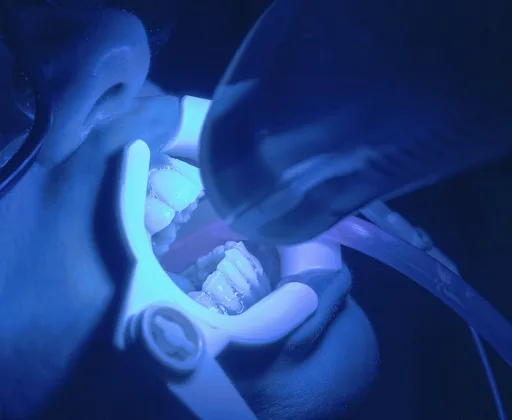
Teeth whitening has become one of the most requested cosmetic dental procedures in the United States — and for good reason. According to the American Academy of Cosmetic Dentistry, Americans spend more than $1.4 billion on tooth whitening products and procedures annually. That figure reflects something real: whiter teeth matter to people, and the market has responded with an overwhelming array of options, from professional in-office treatments to drugstore strips that promise results in a week.
But the sheer volume of products available has outpaced consumer education about safety. Walk down any pharmacy aisle and you’ll find whitening strips, paint-on gels, charcoal powders, and LED trays — each promising dramatic results with minimal explanation of what’s actually happening to your teeth. Meanwhile, social media has amplified the appeal of DIY whitening hacks that range from merely ineffective to genuinely harmful.
The problem isn’t that teeth whitening is dangerous by default. For most people, under the right conditions, it’s a safe and well-studied cosmetic option. The problem is that “safe” depends heavily on how whitening is done, how often, and whether a person’s specific oral health circumstances have been considered first.
This article cuts through the noise. Starting with the chemistry that makes whitening work, it moves through a grounded comparison of methods, what clinical research says about side effects, and the practical steps that separate a safe whitening experience from a painful one. If you’re considering whitening for the first time — or you’ve had a bad experience and want to understand why — what follows will give you the foundation to make a smarter decision.
How Do Teeth Whitening Products Work Chemically?
Understanding what whitening agents actually do to your teeth reframes every safety question that follows. Most whitening products — whether over-the-counter or professional-grade — rely on one of two active compounds: hydrogen peroxide or carbamide peroxide, which breaks down into hydrogen peroxide and urea when it contacts moisture.
Hydrogen peroxide works through a process called oxidation. When it penetrates the porous enamel surface of the tooth, it reacts with the chromogen molecules responsible for staining — the organic compounds that accumulate from coffee, wine, tea, and tobacco. The oxygen radicals produced in this reaction break the chemical bonds within those chromogen molecules, scattering their light-absorbing properties and making them appear colorless or less visible. The tooth itself isn’t bleached so much as the stain compounds within it are chemically dismantled.
Concentration is everything here. Over-the-counter strips and trays typically contain between 3% and 10% hydrogen peroxide. Professional in-office treatments commonly use concentrations ranging from 25% to 40%, often activated with heat or light to accelerate the reaction. That difference in concentration is precisely why professional treatments produce faster, more dramatic results — and why they also carry higher potential for side effects when used without proper assessment.
Here’s the scenario that catches many first-time whiteners off guard: someone buys a highly rated whitening kit online, follows the instructions exactly, and still ends up with sharp tooth sensitivity that lasts for days. They did nothing wrong procedurally — but they didn’t know they had early-stage enamel erosion that made their teeth significantly more vulnerable to peroxide penetration. The chemistry that removes stains doesn’t distinguish between a healthy tooth and a compromised one. That’s why knowing *how* the process works matters before choosing *which* method to use.
It’s also worth noting that whitening only affects natural tooth enamel. Crowns, veneers, bonding, and fillings won’t change color, which can create noticeable mismatches if existing dental work isn’t accounted for before treatment begins.
How Does Safety Vary Between Teeth Whitening Methods?
Not all whitening methods carry the same risk profile. The safety of any given approach hinges on three variables: the concentration of the active agent, the duration of exposure, and whether the treatment is tailored to the individual’s oral health status. Those three factors play out very differently depending on which method you choose.
What Safety Tips Apply to At-Home Teeth Whitening?
At-home whitening products are convenient and accessible, but they place the responsibility for safe use entirely on the consumer. The most important rule is straightforward: follow the timing instructions exactly. Leaving whitening strips or trays on longer than directed doesn’t accelerate results — it increases the likelihood of enamel irritation and gum inflammation. Many people assume that if 30 minutes is the recommended time, 60 minutes will work twice as well. The research doesn’t support this, and dentists routinely see patients who’ve developed significant sensitivity through this misunderstanding.
Fit matters enormously with tray-based systems. Ill-fitting trays allow the whitening gel to pool around the gum line rather than staying concentrated on the tooth surface. This is a primary cause of gum soreness during at-home treatments. Custom-fitted trays from a dental office reduce this risk substantially compared to the one-size-fits-all trays included in most commercial kits. Starting with a lower concentration product and working upward — rather than beginning with the strongest formula available — also gives your teeth time to respond before escalating the treatment.
How Do Professionals and Natural Methods Ensure Safety?
Professional whitening — whether in-office or through dentist-dispensed take-home kits — incorporates safety steps that over-the-counter products can’t replicate. Before any treatment begins, a dentist assesses the patient’s enamel integrity, checks for existing cavities or gum disease, and accounts for any existing dental restorations. This pre-treatment evaluation is what makes professional whitening the lowest-risk option for people with sensitive teeth or complex dental histories. A teeth whitening dentist also applies protective barriers to the gum tissue before using high-concentration peroxide, reducing the risk of soft tissue irritation considerably.
Natural whitening methods — oil pulling, activated charcoal, baking soda — occupy a different category altogether. None have demonstrated meaningful whitening efficacy in peer-reviewed clinical trials. Activated charcoal, despite widespread promotion, has raised concern among dental researchers because of its abrasive properties, which can gradually wear enamel with repeated use rather than protecting it.
What Side Effects Are Common and What Does Research Show?
The two most consistently documented side effects of teeth whitening are tooth sensitivity and gum irritation — and both have been studied extensively enough to give us a clear picture of what to expect.
A 2019 systematic review published in the *Journal of Evidence-Based Dental Practice* analyzed multiple clinical trials on hydrogen peroxide whitening and found that tooth sensitivity was the most commonly reported adverse effect, occurring in a substantial proportion of patients, with most cases classified as mild to moderate and resolving within 24 to 48 hours after treatment ended. The review also noted that higher peroxide concentrations and longer exposure times correlated with increased sensitivity frequency and intensity. Gum irritation, typically appearing as temporary blanching or soreness at the tissue contact point, was the second most common complaint and usually resolved within a similar timeframe.
What drives sensitivity at the physiological level connects back to the chemistry discussed earlier. When peroxide penetrates enamel, it can reach the dentin layer beneath — a more porous tissue containing tiny fluid-filled tubules that lead toward the nerve. The whitening-induced fluid movement within those tubules triggers the sensation that many people describe as sharp, shooting pain in response to cold air or beverages. This is called dentinal hypersensitivity, and it’s a temporary phenomenon in most cases.
The picture changes for people who already have compromised enamel, untreated cavities, exposed dentin at the gum line, or cracked teeth. For these individuals, the same mechanism that causes temporary sensitivity in healthy teeth produces significantly more intense and longer-lasting discomfort. This is why the pre-treatment assessment that professionals conduct isn’t just a formality — it’s the step that distinguishes a temporary side effect from a genuinely damaging experience.
Long-term enamel effects from whitening, when treatments are used as directed, appear to be minimal according to current evidence. The concern about enamel erosion is more closely tied to overuse and misuse — repeated treatments beyond recommended intervals, using abrasive natural alternatives, or maintaining prolonged gel contact times — than to whitening itself when practiced appropriately.
What Practical Safety Tips Reduce Risks During Whitening?
Knowing what can go wrong is useful. Knowing how to prevent it is better. Several practices, supported by clinical guidance, consistently reduce the risk of side effects without compromising results.
Timing and spacing matter more than most product marketing suggests. Most dental organizations recommend waiting at least a week between at-home whitening sessions, and several weeks between professional treatments, to allow enamel to remineralize. Back-to-back whitening sessions are one of the fastest paths to persistent sensitivity.
Potassium nitrate and fluoride both play a meaningful protective role. Potassium nitrate works by calming the nerve activity within dentinal tubules, while fluoride supports enamel remineralization. Using a toothpaste containing one or both of these compounds in the days before and after whitening is a straightforward way to reduce sensitivity risk. Several clinical guidelines recommend beginning this practice at least a week before treatment begins, not just as a reactive measure after sensitivity develops.
Diet adjustments during and immediately after whitening are worth taking seriously. The whitening process temporarily increases enamel porosity, which means teeth are more vulnerable to restaining and more reactive to temperature extremes in the 24 to 48 hours following treatment. Avoiding darkly pigmented foods and beverages — coffee, red wine, berries, tomato-based sauces — during this window isn’t just about protecting results; it also reduces the irritation risk from introducing acidic compounds to temporarily sensitized enamel.
For anyone using at-home trays, removing the tray immediately if you experience sharp or escalating pain rather than mild discomfort is important. Mild transient sensitivity during treatment is common and expected. Pain that feels sharp, extends beyond the teeth into the jaw, or persists more than 48 hours after stopping treatment is a signal to pause and consult a dental professional before continuing.
How Should You Weigh the Risks and Benefits of Whitening?
Most people who whiten their teeth under appropriate conditions experience the outcome they’re looking for — measurably lighter teeth, temporary mild sensitivity, and no lasting damage. That’s not a trivial outcome given how many cosmetic procedures carry more substantial risk profiles. For candidates without significant enamel erosion, untreated decay, or existing gum disease, the risk-benefit calculation generally favors whitening when it’s done thoughtfully.
The calculus shifts, however, for specific groups. People with severe dentinal hypersensitivity, those undergoing orthodontic treatment, pregnant individuals, and anyone with active periodontal disease are generally advised to delay elective whitening. These aren’t arbitrary restrictions — each represents a situation where the normal side effect profile is likely to be amplified or where other factors complicate the clinical picture.
The honest framing is this: whitening is a cosmetic procedure with real chemistry and real effects on biological tissue. The risks are manageable and well-documented, but managing them requires honest self-assessment about your current oral health, respect for product instructions, and willingness to slow down if something doesn’t feel right. The patients who run into trouble tend to share one common thread — they treated whitening as a consumer product rather than a dental procedure, and bypassed the checkpoints that exist precisely to protect them.
Before committing to any whitening regimen, getting a current picture of your oral health gives you the baseline to proceed confidently. That baseline doesn’t have to be elaborate — but skipping it entirely is what turns a manageable side effect into an avoidable one.