Why Businesses Are Sending Text Alerts Straight From Their Email
Most people do not open a business email the second it lands. They get to it eventually, or they never do. That is perfectly fine for a monthly newsletter or a promotional offer. It becomes a real problem when the message is a same-day appointment reminder, a payment that just failed, or a delivery that is arriving in the next hour. In those moments the timing is the whole point, and email simply moves too slowly to be reliable.
That gap is why a quiet shift has been happening across all kinds of businesses. Companies are not throwing out email. They are just moving a specific slice of their messages, the urgent and personal ones, onto a channel people actually look at right away. That channel is text.
The simplest version of the shift
What businesses are actually doing, in one plain description:
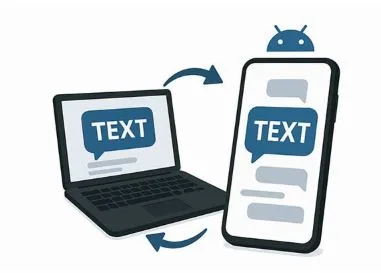
The change is less dramatic than it sounds. Most teams are not buying a big messaging platform. They are finding a way to send text from email, so a message written the normal way in Gmail or Outlook reaches the customer as a text instead of another unread email. The reply comes back into the same inbox, which means nothing new has to be learned and no separate tool has to be managed.
That is the whole idea in one sentence, and it is why the shift has spread so quickly. A business keeps working exactly where it already works, and texting simply becomes one more thing the inbox can do. The rest of this piece is about why that small change matters and where it helps most.
The problem with reaching customers by email alone
Two reasons email struggles with anything that is genuinely time-sensitive.
Why time-sensitive messages get missed in the inbox
Email waits to be checked, and during a busy day that wait can stretch for hours.
There is no argument that email remains the backbone of business communication. It is cheap, it keeps a clear record, and almost everyone has an address. None of that is going away. The trouble is that email was designed to sit and wait until someone chooses to check it. During a busy day, that wait can stretch for hours.
A reminder that gets read six hours late has already failed at its job. A fraud alert that sits unopened until the evening is close to useless. People check their phones dozens of times a day. often within a couple of minutes of a text arriving, so a short message about something time-sensitive tends to land while it still matters.
What customers now expect from a business update
Phones changed the habit, and expectations changed with it.
Customer expectations have shifted alongside the phone in their pocket. When someone books an appointment or places an order, they expect to be kept in the loop in near real time, the same way their friends and their favorite apps reach them. An update that arrives late does not just miss its window; it makes the business look a step behind. That difference in expectation, not any flaw in email itself, is what pushes companies to add texting for the messages that cannot wait.
Why text is becoming the default for alerts
The messages are worth texting, and they stop being useful the moment they are late.
The kinds of messages that work best as texts
A short list of the updates that earn a place in someone’s text thread.
You do not need to text everything. In fact, texting everything is the fastest way to annoy people and get them to opt out. The value comes from a narrow set of messages where speed and certainty of delivery really count:
- Appointment reminders and confirmations
- Delivery and shipping updates
- Account alerts and security notifications
- Payment reminders and failed payment notices
- Time-sensitive service updates, like a cancellation or a schedule change
Why these messages lose value if they arrive late
The whole point of these updates is that they are read in the moment.
What all of these share is that they matter in the moment and then lose value quickly. Nobody minds a text telling them their order ships today or that their appointment is tomorrow at ten. They very much mind discovering that same information two days late, buried under promotional email. Used this way, a text feels genuinely helpful rather than intrusive, because it is carrying information the person actually wants at the exact time they need it.
What it saves a smaller business
Why sending from the inbox beats standing up a platform.
Standalone SMS platforms often come with monthly minimums, per seat pricing, and setup work that only makes sense at high volume. A business sending a few hundred reminders a month rarely needs any of that. Sending straight from email lets them match the tool to the actual size of the job while keeping every message and reply in one familiar place. For a company that already lives in its inbox all day, that is the difference between adopting a new habit and simply extending the one it already has.
What to look for before you start
Two things decide whether your texts get delivered and trusted.
Verified numbers and business messaging rules
Where the message comes from matters as much as what it says.
Send from a verified business number. Carriers pay close attention to where messages come from, and a properly registered number is far more likely to reach the phone and far less likely to be flagged. This is also what separates a legitimate business message from the spam and spoofing that people have learned to distrust.
Keeping messages expected, and replies in one place
Texting works best when the person already wants to hear from you.
Keep your texts to people who expect to hear from you. Someone who booked an appointment or placed an order is expecting a follow-up. Buying a list and blasting strangers is the fast track to complaints and blocked numbers. The rule of thumb is simple: short, useful, and expected. And make it easy to reply or opt out, because part of what makes texting powerful is that it feels like a real conversation. Respecting an opt-out just as quickly keeps you on the right side of both the rules and your customers’ patience. The businesses handling this well are not running two separate communication systems. They are using one familiar inbox to do both jobs, and for anyone who has watched an important update go unread until it was too late, that is a change worth paying attention to.