The Hidden Environmental Benefits of Repairing Household Appliances
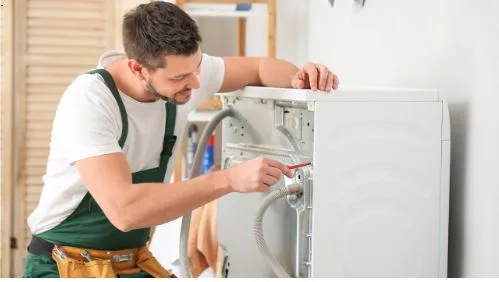
When a washing machine breaks down or a refrigerator stops cooling, the instinct for many homeowners is to replace it. New appliances are heavily marketed, financing options are everywhere, and the promise of better energy ratings makes buying new seem like the responsible choice. But there’s a significant environmental argument being overlooked in that decision — and it starts long before the appliance ever gets plugged in.
For homeowners considering their options, seeking out professional Appliance Repair in Calgary is almost always the greener — and smarter — first step before committing to a replacement purchase.
The Real Cost of Manufacturing a New Appliance
Every new appliance carries what environmental scientists call an “embodied carbon” cost — the total greenhouse gas emissions produced during raw material extraction, manufacturing, and transportation before the appliance reaches your home. For a standard refrigerator, that embodied carbon footprint runs between 200 and 600 kg of CO₂ equivalent. A washing machine sits in a similar range.
When you repair an appliance rather than replace it, you avoid generating that manufacturing footprint entirely. The repair itself — a technician visit, a replacement part, a few hours of labour — produces a fraction of the environmental impact of a brand new unit rolling off a production line and shipping across the ocean.
The Recycling Myth
Many homeowners feel better about replacing appliances because they assume the old one will be properly recycled. The reality is more complicated. While metal components from old appliances can be recovered, the process is energy-intensive and incomplete. Refrigerant gases require careful handling to avoid atmospheric release. Foam insulation in older fridges and freezers can contain chemicals that are difficult to process safely. Plastic components frequently end up in landfill.
In Alberta, appliance disposal through programs like ARPI (Appliance Recycling Program of Alberta) recovers a meaningful portion of materials — but recycling is always a lower-rung option on the environmental hierarchy than simply keeping a functioning appliance in service longer.
Longer Appliance Lifespans Mean Less Demand
There’s a broader economic argument that links directly to environmental impact. When consumers consistently choose repair over replacement, demand signals shift. Manufacturers respond to what the market buys. A culture that prioritizes durability and repairability over disposability gradually changes what gets built — and how.
Countries with stronger repair cultures, including several in Northern Europe, have seen manufacturers begin designing appliances with longer lifespans and more accessible parts as a result of regulatory pressure and shifting consumer behaviour. Canada is beginning to move in a similar direction, with right-to-repair legislation gaining ground federally.
The Energy Efficiency Question
The most common counterargument to repair is energy efficiency — surely a new appliance with a better Energy Star rating saves energy and offsets the manufacturing impact over time? In some cases this is true, particularly for very old appliances running significantly below modern efficiency standards.
But the math is less compelling than it appears for most household appliances. A refrigerator that is 8 to 12 years old and otherwise functioning well is unlikely to be so inefficient that the energy savings from replacement offset the embodied carbon of a new unit within a reasonable timeframe. Studies on appliance replacement have found that for most scenarios outside of very old, poorly maintained units, the environmental break-even point for replacement is further out than most consumers assume — often 10 to 20 years of continuous use.
A well-maintained appliance, repaired promptly when faults develop, almost always represents the lower-carbon choice.
What Homeowners Can Do
The practical takeaway is straightforward. Before replacing an appliance, get a professional diagnostic. In most cases a qualified technician can identify the fault, provide a transparent repair cost, and give an honest assessment of whether the appliance is worth repairing. In the majority of cases, repair is both the financially smarter and environmentally better decision.
The most sustainable appliance is the one already in your home — working.
Repair Is the Greener Choice
The environmental conversation around household appliances rarely centres on repair. It focuses on energy ratings, recycling programs, and buying guides. But the simplest and most impactful thing a homeowner can do is keep their existing appliances running well for as long as possible. Every repair extends a useful life, reduces manufacturing demand, and keeps materials out of the waste stream.
Multiplied across millions of households, that adds up to a genuinely meaningful environmental impact — one technician visit at a time.