Q&A: What Should Houston Property Owners Know Before Scheduling Asphalt Paving or Repair?
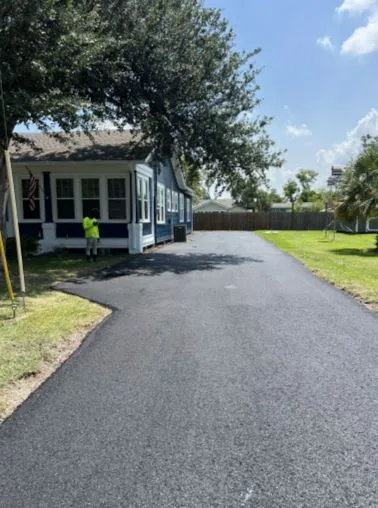
Asphalt problems rarely stay small in Houston. Heat, heavy rain, traffic, drainage issues, and weak base conditions can turn minor pavement damage into costly repairs. Property owners do not need to know every paving specification, but they should understand what causes failures, when repair makes sense, and what separates a quick patch from a long-term solution. This Q&A covers practical answers for commercial properties, parking lots, drive lanes, and paved surfaces that need attention.
What Causes Asphalt to Fail So Quickly in Houston?
Houston pavement takes a unique beating. The combination of intense heat, heavy rain, clay soils, traffic load, and drainage challenges creates tough conditions for asphalt. When pavement is designed or installed without considering those local factors, failure can happen sooner than expected.
One of the biggest causes is poor subgrade preparation. Asphalt is only as strong as the base underneath it. If the soil is unstable, poorly compacted, or not properly treated, the surface can crack, rut, sink, or break apart under traffic. This is especially common in commercial lots where delivery trucks, service vehicles, and steady customer traffic put extra pressure on the pavement.
Drainage is another major issue. Standing water is not harmless. Water can work into cracks, soften the base, and speed up deterioration. A parking lot may look flat to the eye, but even slight grading problems can create ponding after Houston rain. Once water sits in the same spots repeatedly, those areas often fail first.
Heat also matters. UV exposure and high surface temperatures can dry out asphalt over time, making it more brittle and more likely to crack. When cracks are ignored, water gets in, traffic pounds the weak areas, and small defects become potholes or alligator cracking.
The common misconception is that asphalt fails only because it is “old.” Age matters, but design, drainage, base strength, material thickness, and maintenance often matter just as much.
How Do I Know If My Pavement Needs Repair or Replacement?
The answer depends on how deep the damage goes. Surface-level wear can often be maintained or repaired. Structural failure usually requires a more serious fix.
If the pavement has isolated cracks, small potholes, faded striping, or early surface wear, repair or maintenance may be enough. Crack sealing, patching, sealcoating, or targeted asphalt repair can help extend the life of the surface when the base is still stable. These services are often useful when the pavement is showing age but has not completely failed.
If the pavement has widespread alligator cracking, sinking, repeated potholes, drainage problems, or soft spots, the issue may be deeper than the surface. Alligator cracking often points to base failure. A pothole that keeps returning after patching may mean water or weak subgrade is still affecting the area. In those cases, simply adding material on top may hide the problem temporarily without solving it.
A commercial property owner should also consider how the pavement is used. A light-use parking area may be a better candidate for targeted repairs. A drive lane carrying trucks or frequent traffic may need full-depth repair, stronger base work, or a new asphalt section.
A qualified contractor should explain whether the damage is cosmetic, functional, or structural. That distinction matters because the cheapest repair can become expensive if it has to be repeated.
What Should a Good Asphalt Paving Estimate Include?
A useful paving estimate should do more than list a price. It should explain the scope of work, the condition of the existing pavement, and the process needed to create a durable result.
For new asphalt paving, the estimate should address site grading, drainage, subgrade preparation, base thickness, asphalt thickness, compaction, traffic needs, and project access. Commercial paving is not a one-size-fits-all service. A small office lot, a shopping center, an industrial yard, and an apartment complex may all need different pavement designs.
For repair work, the estimate should identify the type of damage and the recommended repair method. Pothole patching, infrared repair, full-depth repair, overlays, crack sealing, and base correction are not interchangeable. The right choice depends on what caused the damage and how long the repair is expected to last.
It is also fair to ask whether the contractor is considering Houston-specific conditions. Pelagic Paving describes its approach as designing pavement systems around local soil conditions, heat cycles, and traffic loads rather than relying on generic specifications.
Pelagic Paving
A strong estimate should make the property owner feel informed, not confused. If the proposal does not mention preparation, drainage, thickness, compaction, or the cause of the damage, it may be missing important details.
Is Sealcoating the Same as Asphalt Repair?
No. Sealcoating and asphalt repair serve different purposes, and confusing them can lead to unrealistic expectations.
Sealcoating is a protective surface treatment. It can help shield asphalt from sun, water, and chemical exposure while improving appearance. It is most useful when pavement is still structurally sound but starting to look faded or worn. Sealcoating can be part of a smart maintenance plan, especially for commercial lots that need to preserve curb appeal and slow surface deterioration.
Asphalt repair addresses actual damage. That may include potholes, cracks, failed sections, alligator cracking, base problems, or areas where pavement has broken apart. Repair is needed when the surface is already compromised.
Sealcoating over serious cracking or potholes is like painting over water damage inside a building. It may look better briefly, but it does not fix the underlying problem. Cracks should be sealed, potholes should be repaired, and failed areas should be corrected before sealcoating is applied.
The practical takeaway is simple: sealcoating is maintenance, not a cure-all. It works best when paired with timely crack sealing and repairs. If pavement is already failing structurally, the repair plan should come first.
Why Does Drainage Matter So Much for Parking Lots?
Drainage is one of the most important parts of pavement performance. Water should move off the surface, away from vulnerable areas, and into appropriate drainage paths. When water sits on asphalt, it can seep into cracks, weaken the base, and accelerate pavement failure.
Poor drainage often shows up as puddles after rain, stains in low spots, repeated potholes, edge deterioration, or soft sections. These issues may seem minor at first, but they usually get worse with traffic. Vehicles push water into damaged areas, and the pavement begins to break down faster.
In Houston, drainage is especially important because heavy rainfall can expose weak grading quickly. A lot that looks acceptable during dry weather may show its real problems after one strong rain event.
Before major paving work, a contractor should evaluate grading and water movement. In some cases, the solution may involve adjusting the slope, improving base preparation, correcting low areas, or planning the paving project around better water flow.
A property owner should never assume drainage is only a landscaping issue. Drainage is a paving issue, a safety issue, and a long-term budget issue.
What Questions Should Property Owners Ask Before Hiring a Paving Contractor?
The best questions focus on process, not just price. Start by asking what is causing the pavement issue. If the contractor cannot explain whether the problem is surface wear, water damage, base failure, traffic load, or poor drainage, the recommendation may not be specific enough.
Ask what repair method is being used and why. Ask whether damaged areas will be cut out, patched, stabilized, overlaid, sealed, or rebuilt. Ask how the contractor will handle compaction. Ask whether the asphalt mix and thickness fit the property’s traffic needs.
It is also smart to ask about project timing and access. Commercial properties often need to stay open during paving or repair work. A contractor should be able to discuss phasing, traffic flow, drying or curing considerations, and how the work will affect tenants, customers, employees, or delivery vehicles.
Choosing a Paving Contractor should not come down to the lowest number alone. A low bid may leave out important work such as base correction, adequate thickness, grading, or proper compaction. Those missing steps can shorten the life of the pavement and create more expense later.
A clear contractor should be willing to explain the scope in plain language and help the property owner understand what is included.
Better Pavement Decisions Start With Knowing What Is Under the Surface
Asphalt paving and repair are not just surface-level projects. The condition of the base, the way water moves, the type of traffic using the property, and the quality of installation all affect how long the pavement performs. Houston property owners can make better decisions by asking what caused the damage, whether the repair addresses the root problem, and how the work is designed for local conditions. A thoughtful paving plan protects more than curb appeal. It supports safer access, better function, and a longer-lasting investment in the property.