Top 5 Ways to Choose the Right Dumpster Rental for a Cleaner Dayton Project
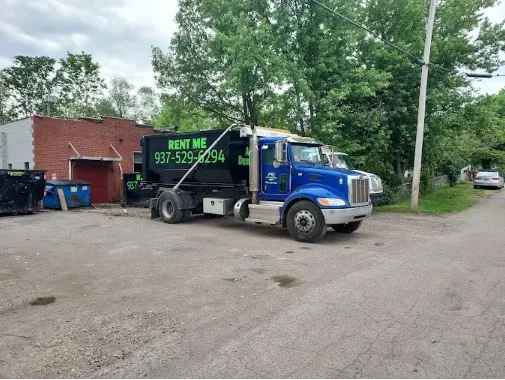
A dumpster rental can make a messy project feel much more manageable, but only if the container fits the job. Home cleanouts, remodeling projects, roofing work, yard cleanup, and small commercial jobs all create different types of debris. The right dumpster helps keep the work area safer, cleaner, and easier to control. These five tips can help Dayton homeowners, contractors, and property managers choose a roll-off dumpster with fewer headaches.
1. Match the Dumpster Size to the Type of Project
The first decision is size, and it matters more than many people realize. A dumpster that is too small may need to be swapped or emptied before the project is finished. A dumpster that is too large may take up unnecessary space in a driveway, parking lot, or job site. The goal is to choose enough capacity without overcomplicating the project.
For smaller cleanouts, a compact container may be enough. Garage cleanouts, basement decluttering, light junk removal, and small home projects usually do not need a massive roll-off. For heavier materials, the container type matters even more. All-Pro Dumpsters lists a 10-yard concrete box with dimensions of 15 feet long, 7 feet wide, and 3.5 feet high, which is different from a general household debris dumpster.
Medium-sized projects often call for more room. A bathroom remodel, flooring tear-out, deck removal, or larger household cleanout can fill a container faster than expected because debris is bulky. Cabinets, drywall, carpet, wood, doors, fixtures, boxes, and old furniture take up space unevenly.
Larger renovations and commercial jobs usually need a dumpster with more capacity. All-Pro Dumpsters lists several roll-off sizes, including 15-yard, 20-yard, 25-yard, and 30-yard options for residential and commercial projects.
The practical takeaway is to think about both volume and material type. A pile of cardboard is not the same as a pile of shingles. A room cleanout is not the same as a demolition job. Before choosing a container, estimate what is being removed, how bulky it is, and whether the project may grow once work begins.
2. Understand Weight Limits Before Loading
Dumpster size is measured in cubic yards, but weight limits still matter. This is one of the most common misconceptions in dumpster rental. A container may have plenty of open space left, but it can still become too heavy if it is filled with dense material.
Concrete, brick, dirt, roofing shingles, tile, plaster, wet debris, and construction waste can add weight quickly. Household junk is usually bulkier and lighter, while demolition debris can be compact and heavy. That difference affects which container makes sense.
All-Pro Dumpsters lists a 15-yard dumpster with a 2-ton weight allowance, a 20-yard dumpster with a 2.5-ton weight allowance, a 25-yard dumpster with a 3-ton weight allowance, and a 30-yard dumpster with a 4-ton weight allowance. These limits are important because overloaded dumpsters can create safety issues, hauling problems, or extra steps before pickup.
A common mistake is choosing a larger dumpster for heavy material simply because it offers more space. That can backfire. Heavy debris may need a smaller or more specialized container so it can be transported safely. This is especially true for concrete, dirt, and similar dense materials.
If the project includes mixed debris, it is worth separating the waste in your mind before ordering. Ask what is light and bulky, what is heavy, what might be restricted, and what needs special handling. This helps avoid loading mistakes once the dumpster is already on site.
For homeowners booking a dumpster rental in Dayton, Ohio, the smartest approach is to describe the project clearly instead of only asking for a size. The material type often matters as much as the container volume.
3. Plan the Drop-Off Location Before Delivery Day
A dumpster needs more than a place to sit. It needs safe access for delivery, enough room for the truck, and a location that makes loading practical. Planning this before delivery day can prevent delays and frustration.
Driveways are often convenient for residential projects, but not every driveway is ideal. Consider the slope, width, overhead wires, tree branches, parked cars, and nearby obstacles. The truck needs space to place the dumpster and later retrieve it. If the container is too close to a garage, fence, basketball hoop, low branch, or parked vehicle, pickup may be harder.
For commercial properties or job sites, access planning is even more important. The dumpster should support the workflow without blocking customer parking, loading zones, emergency access, tenant entrances, or delivery routes. A poorly placed container can slow the project down and annoy everyone using the property.
It also helps to think about loading distance. A dumpster placed too far from the work area means more carrying, more time, and more chances for debris to scatter. A container placed too close may interfere with the work itself. The best spot balances convenience with access.
Surface protection may also be worth considering. Roll-off dumpsters are heavy, especially when loaded. Driveway conditions, pavement age, and ground softness can all affect placement. While no placement is risk-free, homeowners can reduce problems by choosing a firm, level area and clearing the space fully before delivery.
Another practical tip: make sure everyone involved in the project knows what can and cannot be placed in the dumpster. A clear loading plan keeps the site cleaner and reduces the chance of prohibited or misplaced materials ending up in the container.
4. Choose the 20-Yard Option When You Need Balanced Capacity
The 20-yard dumpster is popular for a reason. It gives many projects enough room without becoming too large for typical residential and light commercial spaces. All-Pro Dumpsters describes its 20-yard dumpster as a popular choice for large residential renovations and commercial projects throughout Dayton and the Miami Valley.
This size can work well for kitchen remodels, basement cleanouts, flooring removal, small construction jobs, roofing debris in appropriate amounts, and bulky household junk. It is often a practical middle ground for projects that are too large for a small container but not large enough to require a 30-yard dumpster.
All-Pro’s 20-yard dumpster is listed at 14 feet long, 7 feet wide, and 5.5 feet high, with a 2.5-ton weight allowance. Those dimensions can make it easier to place than a longer container while still offering useful capacity.
A 20 yard dumpster rental can be especially useful when the project has bulky debris. Furniture, cabinets, doors, trim, drywall, packaging, and general renovation waste can take up room quickly. The extra wall height compared with smaller containers can help contain loose material, as long as the dumpster is not overfilled.
That last point matters. All-Pro’s 20-yard dumpster page notes that overfilled dumpsters cannot be legally transported and may require material to be removed before pickup. Debris should stay below the fill line and inside the container. Nothing should hang over the sides.
The 20-yard size is not perfect for every job. Very small cleanouts may not need that much room. Very large construction projects may need a 25-yard or 30-yard option. Heavy-only materials may require a different container strategy. Still, for many Dayton projects, the 20-yard dumpster offers a useful balance of space, placement flexibility, and project range.
5. Think Through Timing, Pickup, and Project Flow
A dumpster is most helpful when it matches the pace of the work. Ordering too late can leave debris piled around the property. Ordering too early can place a container on site before the project is ready. The best timing depends on how quickly debris will be generated and how long the work is expected to take.
For a weekend cleanout, the dumpster may need to arrive before the first load of junk comes out of the house. For a remodel, delivery may need to align with demolition day. For a commercial job, timing may need to work around crews, tenants, parking needs, or business hours.
All-Pro Dumpsters describes a straightforward rental process: choose a dumpster size, book online or call, receive delivery, fill the container, then have it picked up and disposed of. That simple process works best when the customer has already thought through the project schedule.
Pickup planning matters too. If the job finishes early, a prompt pickup can clear space and make the property look better. If the project expands, it may be necessary to adjust timing. For larger jobs, contractors may need to think about whether one dumpster is enough or whether debris will be generated in phases.
It is also smart to avoid waiting until the dumpster is completely packed before thinking about pickup. If material is close to the top, loading should slow down. Overfilling can delay removal and require extra handling.
A good project flow keeps debris moving from the work area to the container without creating piles, hazards, or double handling. That is the real value of renting a dumpster. It gives the project a central place for waste so the cleanup does not become a project of its own.
A Cleaner Project Starts With a Better Dumpster Plan
The right dumpster rental is not just about picking a size from a list. It is about matching the container to the debris, understanding weight limits, planning the drop-off location, choosing a practical size, and coordinating delivery and pickup around the work. For Dayton homeowners, contractors, and property managers, a little planning can make cleanup smoother, safer, and less stressful. When the dumpster fits the project from the start, the whole job becomes easier to manage from the first load to the final pickup.