Q&A: What Should Contractors Know Before Renting a Dumpster for Concrete or Roofing Debris?
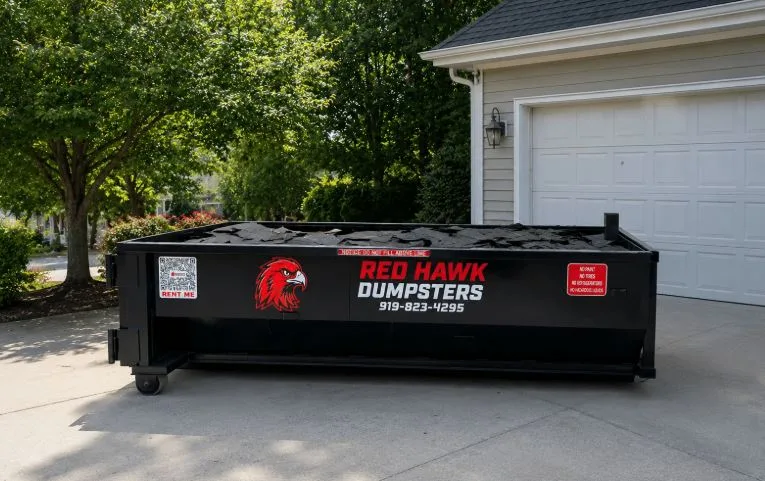
Concrete and roofing debris are two of the most common project materials that need a dumpster, but they are also two of the easiest to mishandle. Both can get heavy fast, and both require the right container strategy. Whether the job involves a driveway tear-out, patio removal, shingle replacement, or roof repair, understanding the basics before delivery can make cleanup safer, cleaner, and easier to manage.
Why Does Material Type Matter So Much?
Material type matters because dumpsters are not chosen by size alone. Weight, disposal rules, contamination, and loading method all affect the rental.
Concrete is dense. A container may look only partly full and still be extremely heavy. That is why Red Hawk’s concrete dumpster rental page describes a 7-yard clean concrete container designed specifically for concrete debris. The page also notes that this container is for clean concrete only, and mixing in wood, drywall, or household items can contaminate the load and result in additional charges.
Roofing debris is different but still heavy. Shingles, underlayment, nails, flashing, and related materials can add up quickly during a tear-off. Red Hawk’s roofing dumpster rental page lists 13-yard, 20-yard, and 30-yard options for roofing projects, with included weight allowances that vary by size.
The common mistake is thinking, “I just need a dumpster.” A better question is, “What am I putting in it?” A dumpster for household junk is not the same as a dumpster for broken concrete or shingles.
When Should You Use a Concrete Dumpster?
A concrete dumpster makes sense when the project involves clean concrete from a driveway, sidewalk, patio, slab, foundation work, curb removal, or hardscape demolition. The important word is clean. Concrete should be separated from general construction debris, trash, wood, drywall, landscaping waste, and household junk.
concrete dumpster
Red Hawk’s concrete dumpster page says rebar and wire mesh attached to concrete chunks are acceptable, which is helpful for demolition work where reinforcement is still embedded in the material. Still, the load should remain concrete-focused.
Separating concrete is not just a rule. It makes disposal more efficient and helps avoid contamination issues. If a project includes concrete plus renovation debris, it may be smarter to use a concrete dumpster for the heavy material and a standard roll-off for everything else.
What Makes Roofing Dumpster Planning Different?
Roofing jobs create debris quickly, often in a short window. Once shingles start coming off, crews need a clear place to put them. A roofing dumpster helps keep the property cleaner and reduces piles around the work area.
Roofing dumpster
The biggest planning issue is weight. Red Hawk’s roofing dumpster rental page lists a 13-yard dumpster with 4,000 pounds included, a 20-yard dumpster with 5,000 pounds included, and a 30-yard dumpster with 6,000 pounds included. That means the right size depends on the roofing material, project scope, and how much debris will be loaded.
A larger dumpster gives more volume, but heavy roofing material can hit weight limits before the container looks full. For shingle projects, it is better to plan around both roof size and material weight instead of choosing the biggest container by default.
How Should the Dumpster Be Placed on the Job Site?
Placement can make or break cleanup efficiency. The dumpster should be close enough to the work area to reduce carrying, but not placed where it blocks access, creates hazards, or interferes with the job.
For concrete work, placement should account for where demolition is happening and how debris will be moved. If chunks are being carried by wheelbarrow, skid steer, or hand, the route should be clear. The surface under the dumpster should also be firm and accessible for delivery and pickup.
For roofing work, placement often depends on the roof layout, driveway access, landscaping, and where debris will come down. The container should not block garage access unless planned, and it should not sit under low branches or wires. Crews should also avoid tossing debris in a way that damages siding, windows, landscaping, or pavement.
Red Hawk’s main site describes service throughout the Triangle, including Raleigh, Durham, Cary, Apex, Chapel Hill, and surrounding areas, with roll-off sizes for cleanouts, remodeling, roofing debris, construction waste, and larger junk removal jobs. For busy job sites, planning placement before delivery helps the dumpster become part of the workflow instead of an obstacle.
What Loading Mistakes Should You Avoid?
The biggest loading mistake is mixing materials that should stay separate. Clean concrete should not be mixed with general debris. Roofing debris should not become a catchall for unrelated waste unless the rental rules allow it. Contamination can create extra costs or disposal problems.
Overfilling is another issue. Debris should stay inside the walls of the container and below the top edge. Nothing should hang over the sides. This is especially important with heavy materials because an unsafe load can delay pickup.
Balance matters too. Heavy material should be loaded evenly when possible. Avoid piling dense debris in one corner or creating unstable mounds. With concrete, do not keep loading just because there is open space. Weight is the limiting factor. With roofing debris, watch how quickly shingles stack up.
For contractors, it helps to have one person responsible for monitoring the load. That person can keep an eye on material separation, fill height, and whether the dumpster is being used correctly.
A Better Dumpster Plan Keeps Heavy Debris Under Control
Concrete and roofing projects run smoother when the dumpster is chosen for the material, not just the project size. Clean concrete needs a dedicated approach, while roofing debris requires careful attention to weight, placement, and loading. The final takeaway is simple: a dumpster should support the job, not create another problem to solve. When contractors plan for material type, access, weight limits, and safe loading before delivery, cleanup becomes more efficient from the first load to final pickup.