Dayton’s Water Damage Warning Signs Homeowners Should Not Ignore
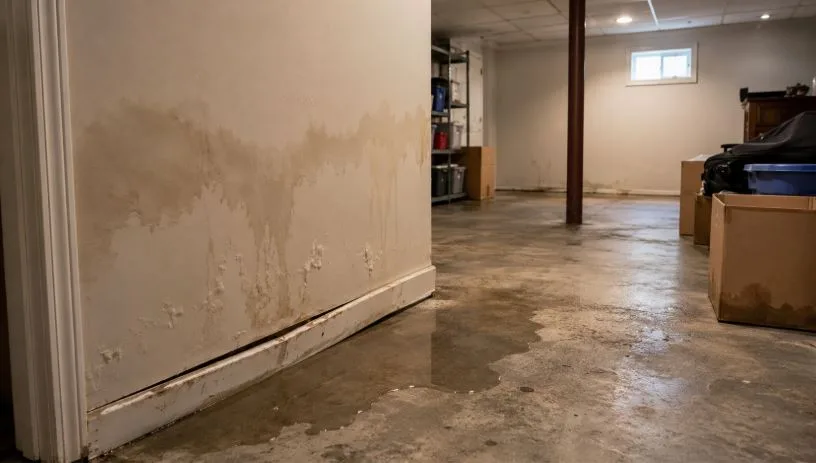
Water damage does not always start with a dramatic flood. Sometimes it begins as a damp basement corner, a soft spot in the floor, a musty odor, or a stain that slowly spreads across drywall. For Dayton homeowners, fast action matters because water can move into hidden spaces and create damage beyond what is visible. Understanding the warning signs can help you respond sooner, protect your home, and avoid letting a small moisture problem become a larger restoration project.
Why Dayton Homes Are Vulnerable to Water Damage
Dayton homes can face water damage from several directions. Storms, sump pump failures, burst pipes, plumbing leaks, roof issues, appliance overflows, basement seepage, and sewer backups can all introduce water into a property. Flood Force notes that Dayton-area properties face seasonal weather challenges, including spring and summer thunderstorms, older neighborhoods with basements, and aging plumbing that can contribute to water intrusion and mold risk.
Basements are a common concern because they sit below grade and are more exposed to groundwater pressure, drainage problems, and sump pump issues. A basement may look mostly dry after a storm, but moisture can remain behind baseboards, under flooring, inside wall cavities, or within stored items.
Water damage can also come from clean-looking sources. A supply line leak, water heater failure, or burst pipe may not look contaminated at first, but it can still soak structural materials quickly. Flood Force’s burst pipe page notes that water can travel through walls, under floors, and into structural materials fast, increasing the risk of damage and mold growth.
The biggest mistake is assuming water only matters if it is standing on the floor. Damp materials, hidden moisture, and slow leaks can be just as serious if they are ignored.
What Are the Early Signs of Hidden Water Damage?
Visible water is the obvious sign. Hidden water damage is trickier.
A musty smell is one of the earliest clues. If a room smells damp, earthy, or stale after rain or after the air conditioning has been running, moisture may be trapped somewhere. Discoloration on walls or ceilings can also point to water movement. Yellow, brown, gray, or darker patches may suggest a leak above, behind, or inside the affected surface.
Soft flooring is another warning sign. Laminate, hardwood, carpet, and subflooring can absorb moisture. If the floor feels spongy, warped, cupped, or uneven, water may already be affecting materials below the surface.
Watch for bubbling paint, peeling wallpaper, swollen trim, cracked caulk, rust around metal fixtures, or baseboards pulling away from the wall. These details may seem minor, but they often show that moisture has been present long enough to affect building materials.
Basements may show white powdery residue on masonry, damp storage boxes, mildew on contents, or a persistent cold, clammy feeling. In finished basements, the warning signs may appear as carpet odor, wall staining, or trim swelling.
Professional water damage restoration is not only about removing what can be seen. It is about finding moisture that may be hidden behind finishes and inside materials. Flood Force describes emergency water removal and structural drying as part of its mitigation services, including extraction and drying of walls, floors, and ceilings after water damage.
Water Damanage Restoration
Why Fast Flood Cleanup Matters After Storms and Sump Pump Failures
Stormwater and sump pump failures need special attention because the water may not be clean. Flood Force explains that storm and sump pump flooding can involve Category 2 or Category 3 water, meaning it may carry contaminants that require specialized handling.
This is an important misconception to clear up. If water comes into a basement from outside, backs up through a drain, or enters after a sump pump failure, it should not be treated like a simple spill. The water may contain bacteria, sewage, soil contaminants, or other hazardous materials. Flood Force’s flood cleanup page also notes that floodwater is often contaminated and may carry bacteria, sewage, and other hazardous materials.
Fast cleanup matters for three reasons. First, standing water can damage flooring, drywall, insulation, trim, doors, furniture, and stored items. Second, moisture can spread into hidden areas if it is not extracted and dried properly. Third, contamination concerns may require removal, cleaning, and decontamination steps beyond basic drying.
Homeowners should avoid walking through or handling questionable floodwater without proper protection. If electricity may be affected, safety comes first. Do not enter a flooded area if there is any risk of electrical contact. After that, the priority is extraction, documentation, decontamination when needed, and structural drying.
A wet basement is not “handled” just because the visible water is gone. Materials can still hold moisture, especially carpet pad, drywall, insulation, framing, and contents. That is why professional drying equipment and moisture monitoring matter.
How Does Structural Drying Protect the Home?
Structural drying is the process of removing moisture from building materials after water damage. It is different from simply opening windows or setting up a household fan. Professional drying uses commercial equipment, controlled airflow, dehumidification, moisture readings, and ongoing monitoring.
Flood Force lists structural drying as a service using commercial dehumidifiers and air movers to dry walls, floors, and ceilings after water damage. This step is important because trapped moisture can continue causing damage even after the room looks dry.
Drywall can wick water upward. Wood framing can absorb moisture. Carpet padding can stay wet under dry-feeling carpet. Cabinets can swell at the base. Flooring can trap moisture underneath. If these materials are not dried correctly, the home may develop odors, staining, warping, or mold concerns later.
A common misconception is that if the surface feels dry, the problem is over. That is not always true. Moisture meters and thermal imaging can help identify damp areas that are not obvious by touch. Flood Force’s burst pipe page references thermal imaging as part of finding hidden moisture after pipe-related water damage.
Structural drying also helps with documentation. If an insurance claim is involved, moisture readings, photos, drying logs, and work records can help show what happened and what was done to address it. Homeowners should take photos early, avoid throwing away damaged items before documenting them when safe, and keep records of service visits and repairs.
When Should You Call a Water Damage Professional?
Calling a professional makes sense when water is widespread, contaminated, hidden, affecting finished materials, coming from a storm or sewer source, or connected to electrical or structural concerns. It also makes sense when the source is unclear. Guessing wrong can allow water to keep spreading.
Flood Force provides water damage restoration, flood cleanup, mold remediation, emergency water removal, burst pipe cleanup, structural drying, and consulting services throughout the Greater Dayton area. Its homepage also notes service in communities such as Dayton, Centerville, Oakwood, Fairborn, Xenia, Miamisburg, Beavercreek, Kettering, Springboro, Huber Heights, and others.
Flood Force
There are also times when homeowners can start with safe, immediate steps. If a pipe is leaking, shut off the water supply if you can do so safely. Move dry, unaffected items away from wet areas. Avoid using a regular vacuum on standing water. Do not disturb materials that may be contaminated. Keep children and pets away from the affected area.
Then get help quickly. Flood Force describes a 24/7 emergency response for water damage situations in Dayton and surrounding communities. The faster drying and cleanup begin, the better chance a homeowner has of limiting the spread.
A Faster Response Can Make Water Damage Easier to Control
Dayton water damage is easier to manage when homeowners recognize early warning signs and respond before moisture spreads deeper into the home. Musty odors, stains, soft flooring, damp basements, sump pump failures, storm flooding, and burst pipes all deserve attention. The goal is not just to remove visible water. It is to identify the source, extract moisture, dry affected materials, address contamination when present, and reduce the chance of future mold or structural problems. A clear plan and a timely response can make the recovery process safer, cleaner, and far less stressful.