How Can Protective Riding Gear Influence Motorcycle Accident Outcomes
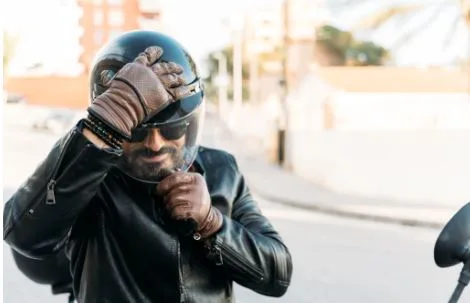
Safety begins long before a motorcycle reaches the road. Every ride starts with simple choices, and the gear a rider wears is one of the most important. A helmet, riding jacket, gloves, and sturdy boots cannot stop every crash, but they can affect how serious the injuries become. These choices often matter just as much as careful riding because they offer protection during unexpected situations.
People dealing with injuries after a crash may also speak with a motorcycle accident claim lawyer to better understand the information surrounding their case. First, it helps to see why protective gear deserves attention before every ride.
Protective Gear Is Built for More Than Comfort
Many people think riding gear is mainly about comfort or appearance, but its real purpose is protection. Every piece is designed to reduce the effects of impact and protect the body from direct contact with the road. Regular clothing may tear quickly during a crash, while motorcycle gear is made from stronger materials that can better resist damage.
Protective gear also works as a complete system instead of separate items. A helmet protects the head, while jackets, gloves, pants, and boots protect other parts of the body. Together, they create several layers of protection that may reduce the seriousness of injuries during an accident.
Every Piece of Riding Gear Has a Different Purpose
Helmets Help Protect the Head
A helmet is one of the most important pieces of safety equipment for any rider. During a collision, it helps absorb part of the impact that could otherwise reach the head. A properly fitted helmet also stays in place better, giving it the best chance to perform as designed.
Modern helmets are tested to meet safety standards before reaching riders. Although no helmet can prevent every injury, wearing one correctly offers an added level of protection that should never be overlooked.
Jackets, Pants, Gloves, and Boots Add Another Layer of Protection
The rest of the body also needs protection during a motorcycle ride. Riding jackets and pants are made with materials that help reduce cuts and scrapes if a rider slides across the road. Some also include extra padding around the shoulders, elbows, hips, and knees to help reduce the force of an impact.
Gloves protect the hands, which riders often use naturally to brace themselves during a fall. Boots provide better support for the ankles and improve grip while riding. Wearing only one piece of protective equipment leaves other areas exposed, while using full riding gear offers broader protection across the entire body.
Why Injury Outcomes Often Depend on More Than the Crash Alone
Every motorcycle accident is different. The speed of the vehicles, the direction of the impact, traffic conditions, and the road surface all influence the outcome. Protective gear becomes another factor that may affect the type and severity of injuries after a collision.
Even the best equipment cannot remove every risk. A high-speed collision may still cause serious injuries despite full protective gear. However, wearing proper equipment may reduce road rash, soften some impacts, and protect vulnerable parts of the body from additional harm. People facing injuries after a crash sometimes discuss their situation with a motorcycle accident claim lawyer while reviewing accident records, medical documentation, and other important information connected to the collision.
Small Safety Habits That Support Better Protection
Protective gear works best if riders develop safe habits before every trip.
- Wear a properly fitted helmet every time.
- Fasten helmet straps securely before riding.
- Replace gear that has been damaged in a previous crash.
- Choose equipment designed specifically for motorcycle riding.
- Check reflective materials and visibility before riding in low light.
These habits may seem simple, but together they improve the overall level of protection during every ride.
Final Thoughts
Motorcycle safety is not based on one single decision. It is built through many careful choices that happen before the engine starts. Selecting quality riding gear, making sure it fits correctly, and replacing damaged equipment all help reduce unnecessary risks. These steps take only a little time, yet they may influence the outcome if an accident occurs.
Protective riding gear cannot prevent every crash or remove every injury. Roads remain unpredictable, and every rider faces situations that cannot always be controlled. Still, proper equipment provides another layer of protection that supports safer riding and may reduce the seriousness of injuries. Preparing before every trip gives riders the best opportunity to face unexpected situations with greater confidence, making every ride a little safer from beginning to end.