7 Benefits of Wearable Technology for Mental Wellness
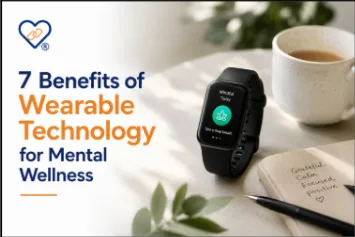
Most people buy a smartwatch to count steps or check sleep scores. Three months in, it sits in a drawer because none of that data changed how they actually felt. That gap is where mental wellness wearables come in. They’re built for a different job: helping you notice your mind, not just your heart rate. The device treats your goals and your headspace with the same weight it gives your activity levels, making it much more than another fitness tracker.
What Counts as a Smart Wearable for Mental Wellness
A smartwatch that only logs steps doesn’t belong in this category. Mental wellness wearables need a personalization layer built in from the start.
That usually means mood check-ins, guided reminders, and some form of tailored content, whether that’s affirmations, breathing prompts, or goal tracking. The device stops being a background gadget and becomes something you actually check throughout the day.
Dream visualization technology keeps your goals visible on your wrist instead of buried in a notes app you opened once and never again.
How These Devices Actually Help
The logic behind this is simple. A phone app needs you to open it. A wearable interrupts your day without waiting for permission.
That’s the gap between intending to meditate and actually doing it. You can plan on ten quiet minutes every morning. A buzz on your wrist at 7 a.m. is what gets you there.
These devices also build a record over time. Sleep quality, stress spikes, activity dips, all of it adds up into weekly and monthly progress reports, so the patterns show up instead of staying invisible.
7 Benefits of Wearable Technology for Mental Wellness
1. Reminders That Actually Land
Meditation apps rarely survive past week two. A device that pushes personalized reminders through the day builds the habit without asking for willpower every morning.
2. Stress You Can Catch Early
Wearables pick up physiological stress markers as they happen. You find out you’re wound up before it turns into a rough afternoon.
3. Sleep Patterns You Can Actually Fix
Sleep tracking paired with wind-down reminders exposes the habits working against your rest. Late scrolling and inconsistent bedtimes show up fast.
4. Goals You Can’t Ignore
Dream visualization technology puts your goals on your wrist. You see them dozens of times a day instead of once a year during a resolution.
5. Support From People Who Get It
Emotional wellness improves faster with company. Community support speeds up progress on personal goals by allowing people to share wins as well as setbacks. Staying accountable alongside others often makes habits easier to maintain over time.
6. Insight Without the Spreadsheet
Wearables condense months of raw numbers into reports you can actually read. You get the takeaway without doing the math yourself, making it easier to recognize patterns and make meaningful adjustments.
7. Momentum Built on Small Wins
Monthly tracking rewards consistency over one big push. Small steps compound faster than most people expect, helping users stay motivated without feeling overwhelmed.
Real Scenarios: How People Use These Devices Day to Day
An entrepreneur juggling three deadlines gets a midday reminder to breathe before a client call instead of walking in already frazzled.
A student preparing for finals checks the community to stay on schedule, comparing progress with people who understand the same pressure.
A parent running a full house schedules affirmations for early mornings when motivation usually runs lowest and nobody else is awake.
These aren’t unusual situations. They’re the exact moments where a phone stays buried in a bag but a wristband is already there, ready to provide a reminder at the right time.
What to Look for When Choosing a Wearable
Skip anything that only counts steps and heart rate. Mental wellness wearables need a personalization layer built in, not bolted on.
Look for guided onboarding. A wearable that arrives with no setup guidance rarely gets used the way it’s intended. Good onboarding helps users establish goals and routines from day one.
Check for a built-in community. Isolation makes emotional wellness harder to sustain over time, while shared accountability makes it easier to stay committed.
Finally, choose a platform that offers ongoing support rather than simply displaying health metrics. The most valuable wearables combine personalized reminders, meaningful insights, and practical tools that encourage consistent daily habits instead of short-term motivation.
Conclusion
Fitness trackers answer how active you were today. Mental wellness wearables focus on how you’re actually feeling while helping you stay connected to your goals through reminders, habit building, and community support. Rather than simply collecting data, they encourage daily action that supports long-term personal growth and emotional well-being. Platforms like Dirac Links demonstrate how wearable technology can combine motivation, accountability, and personalized experiences to help people build healthier habits over time.